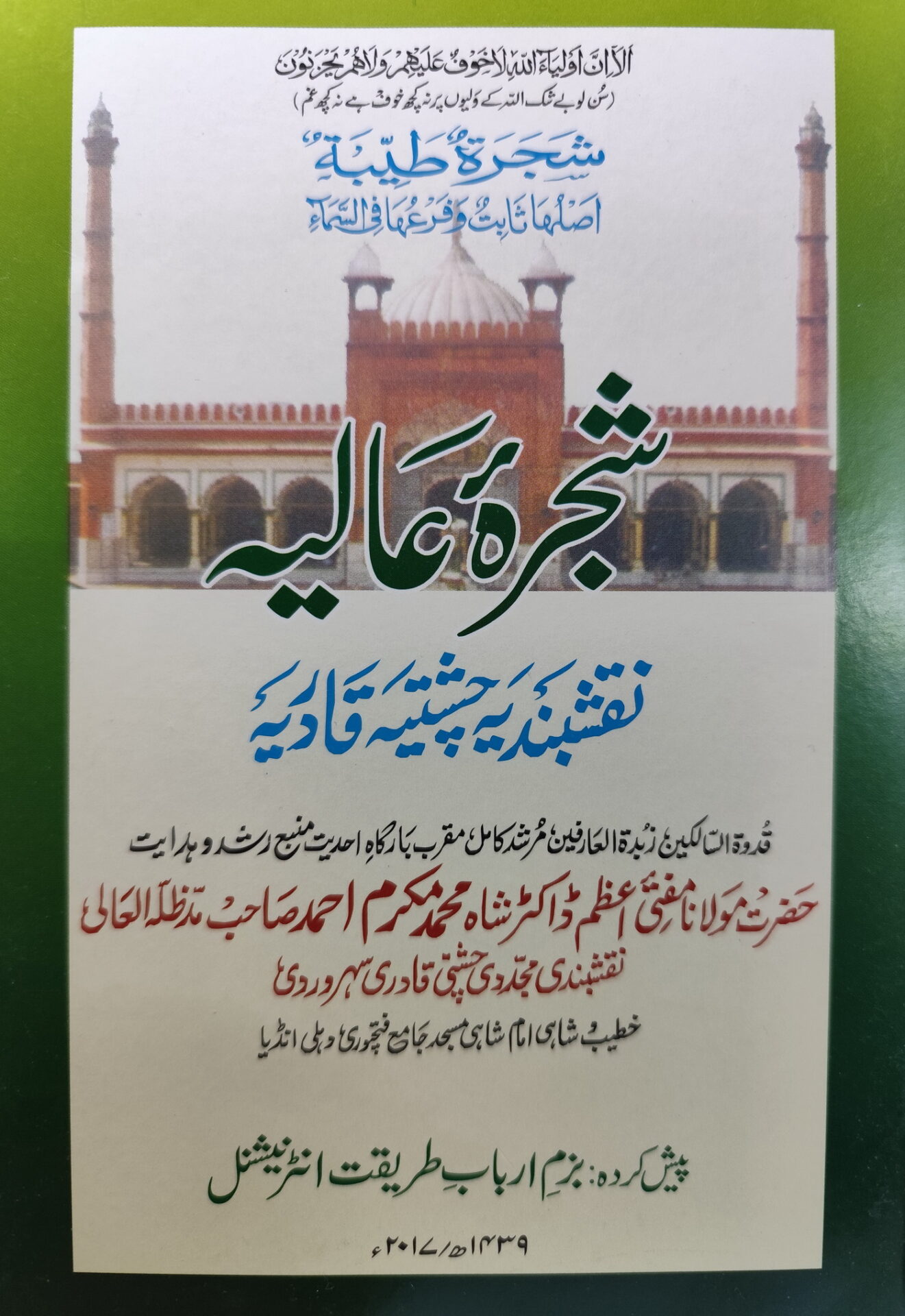
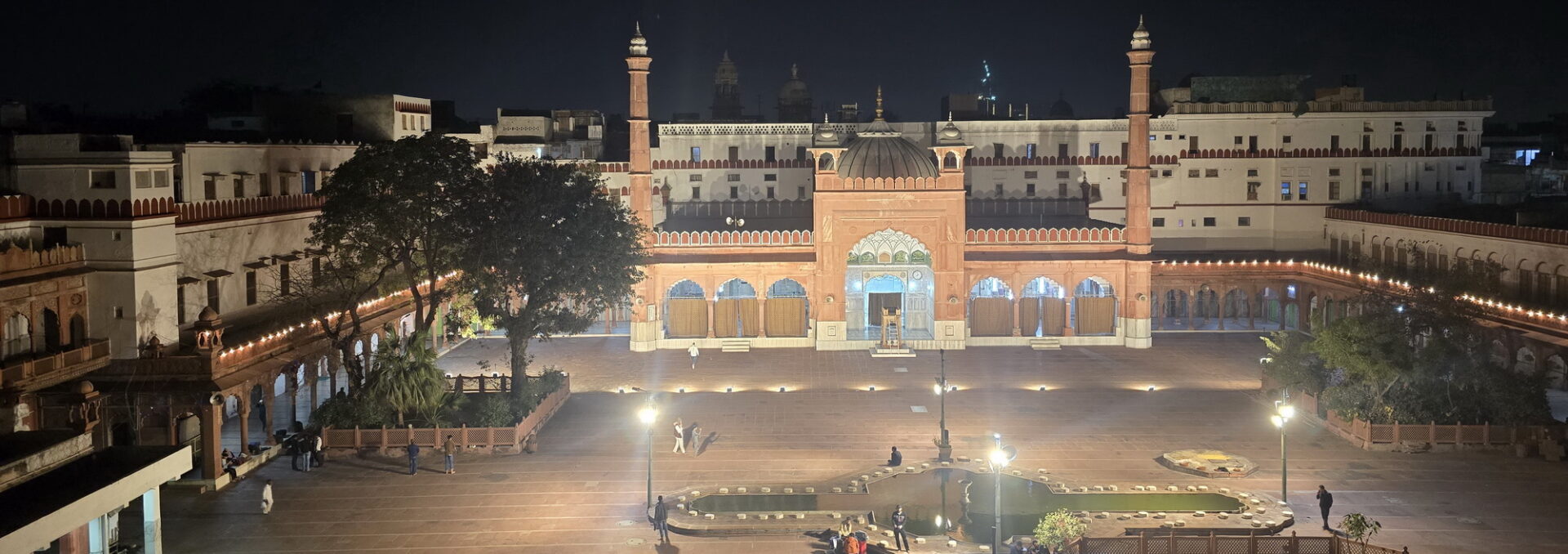
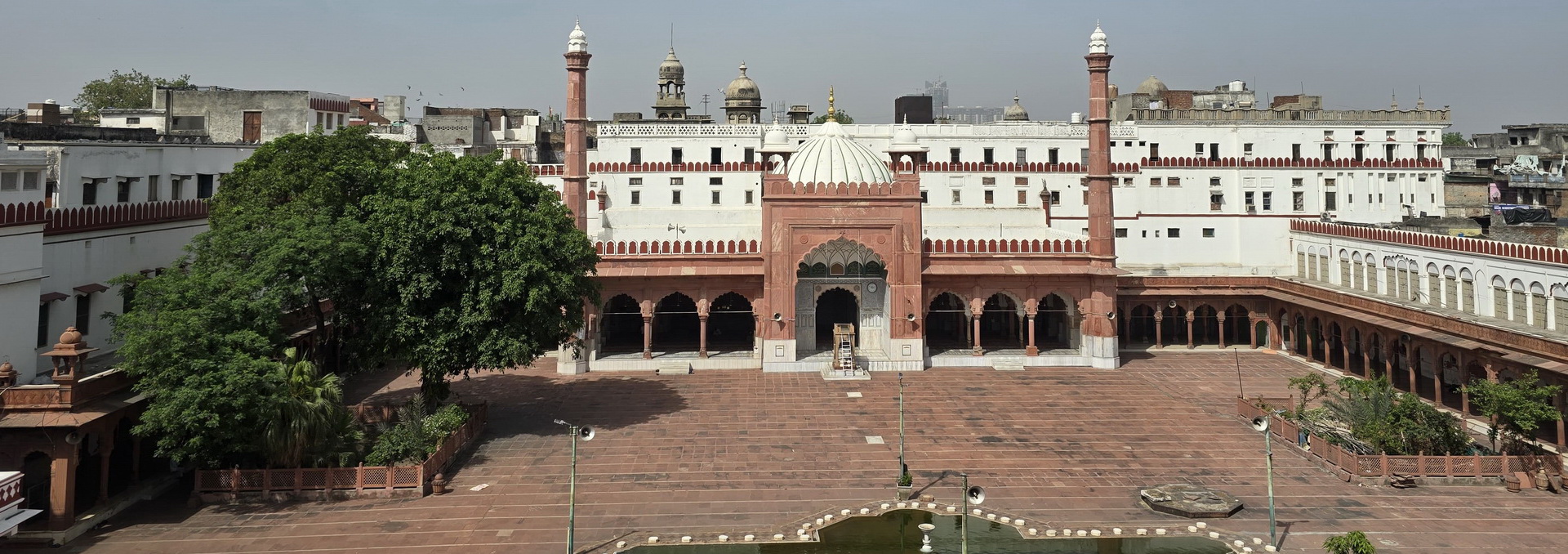
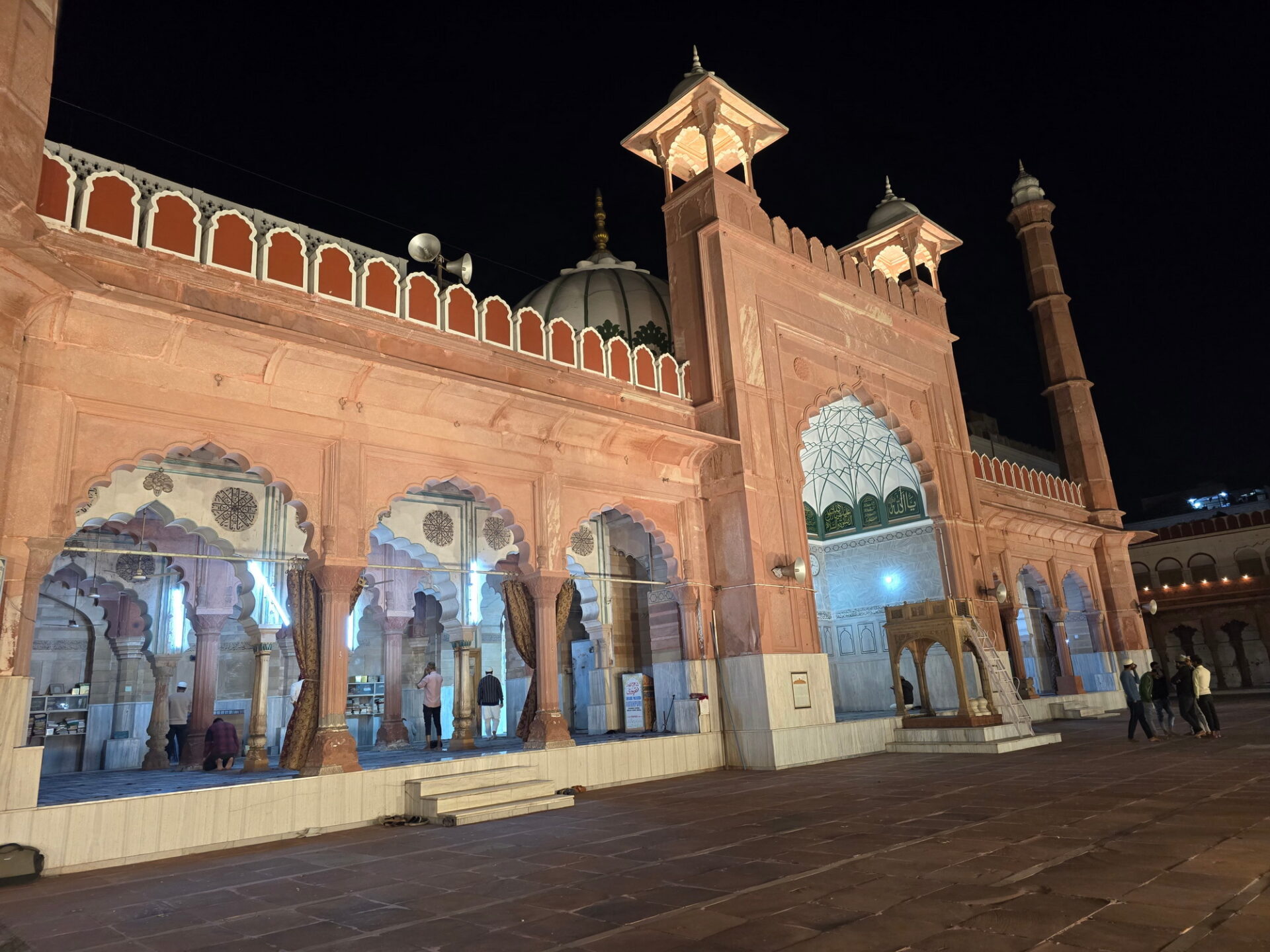
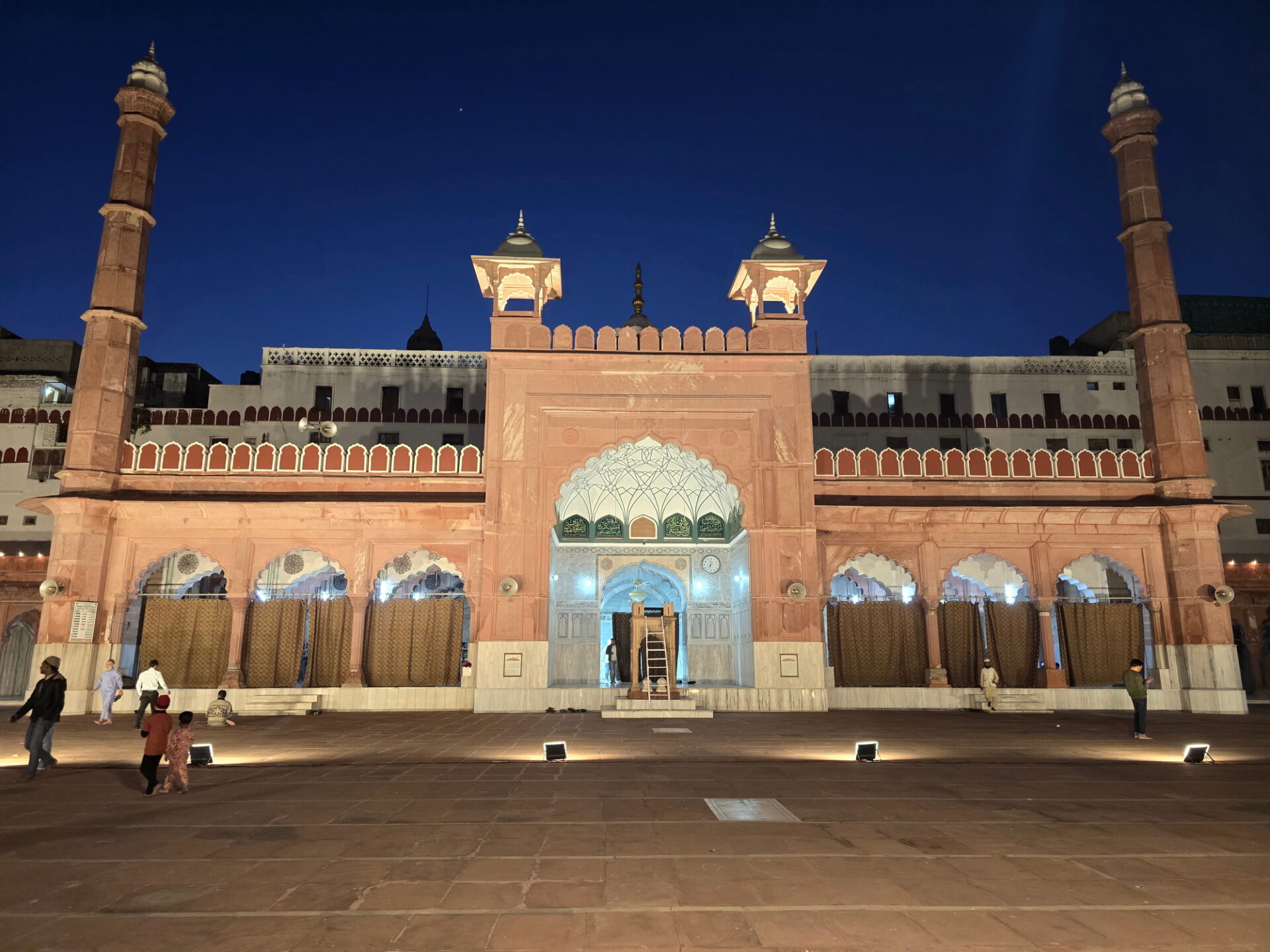
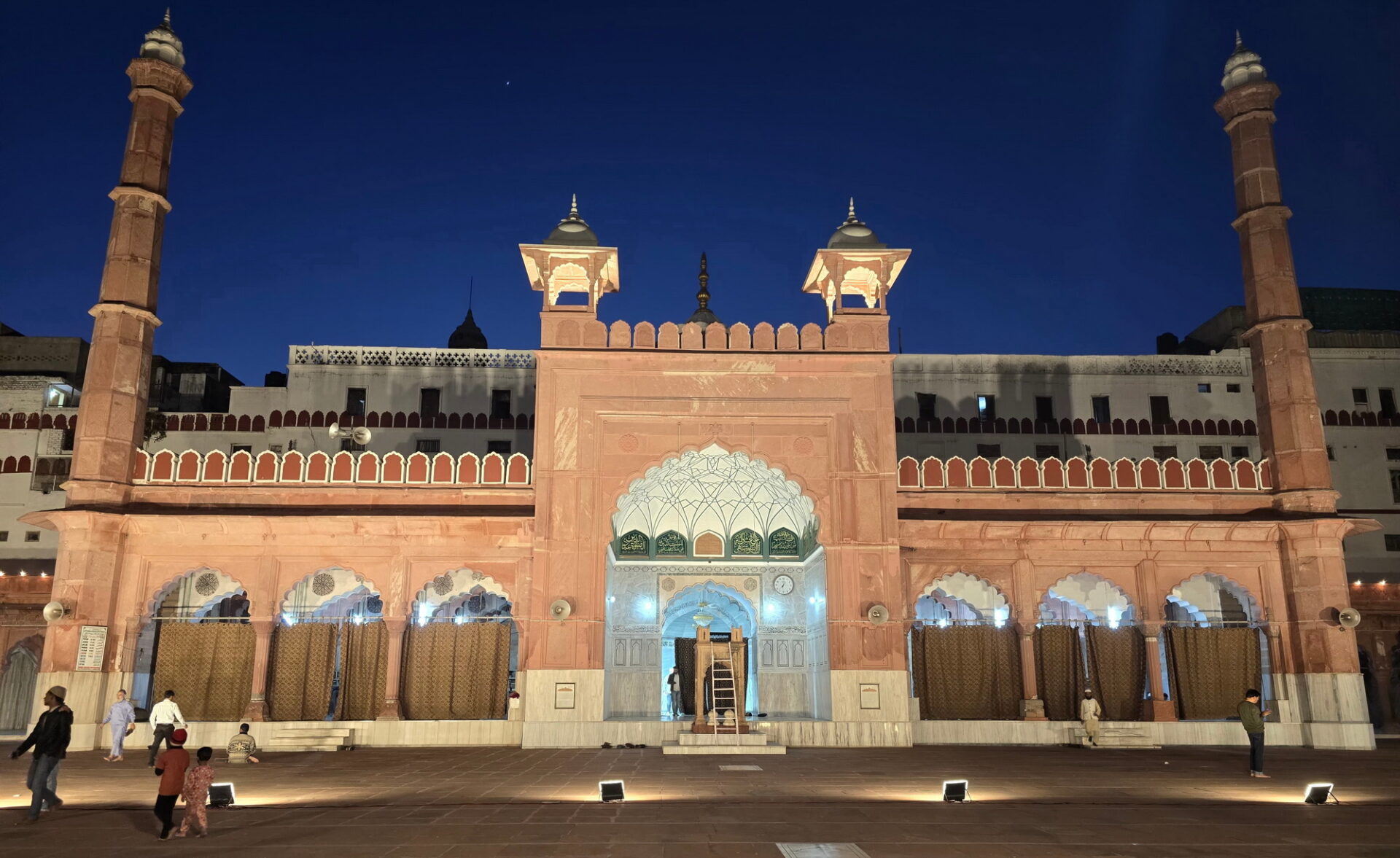
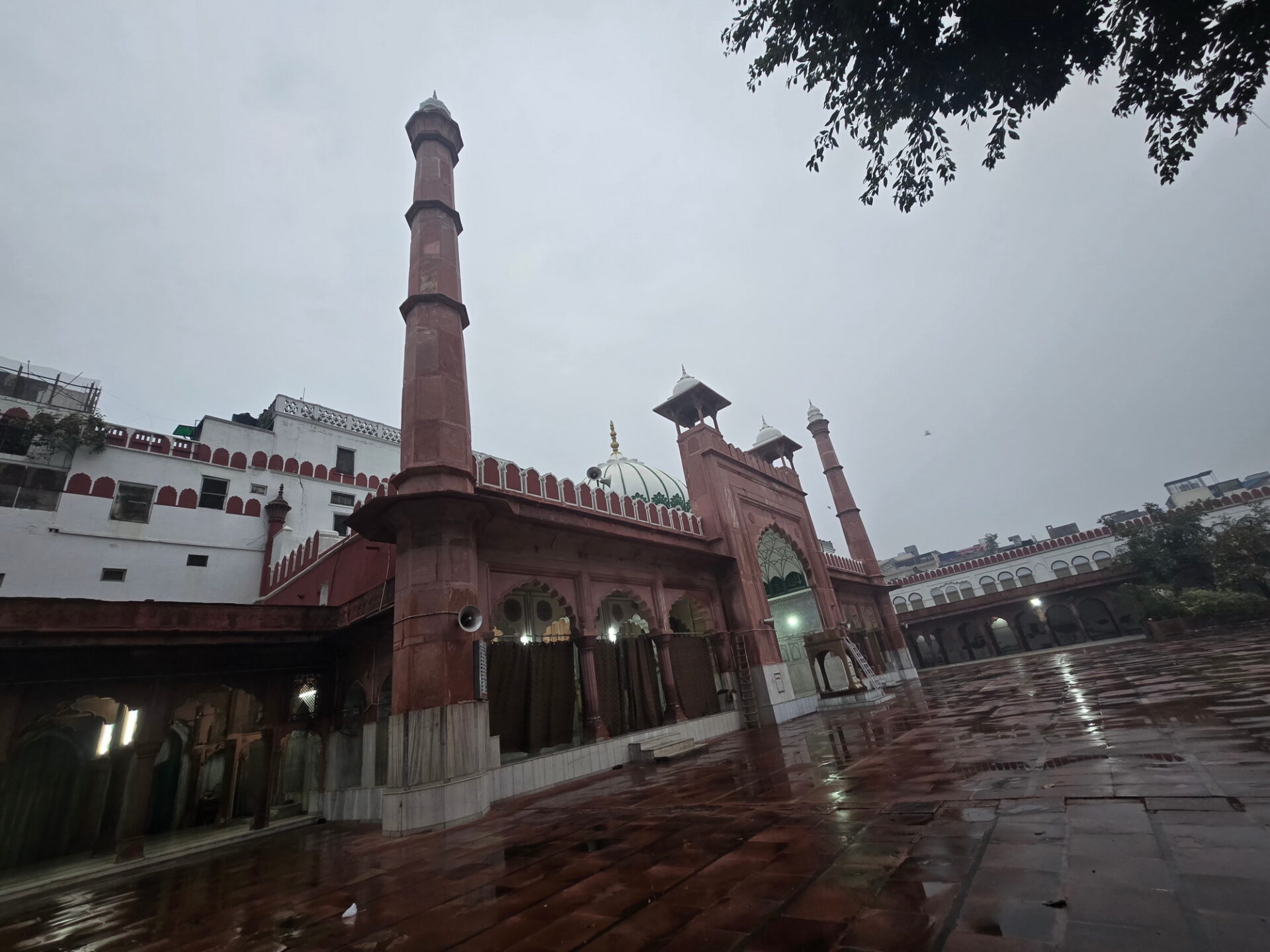
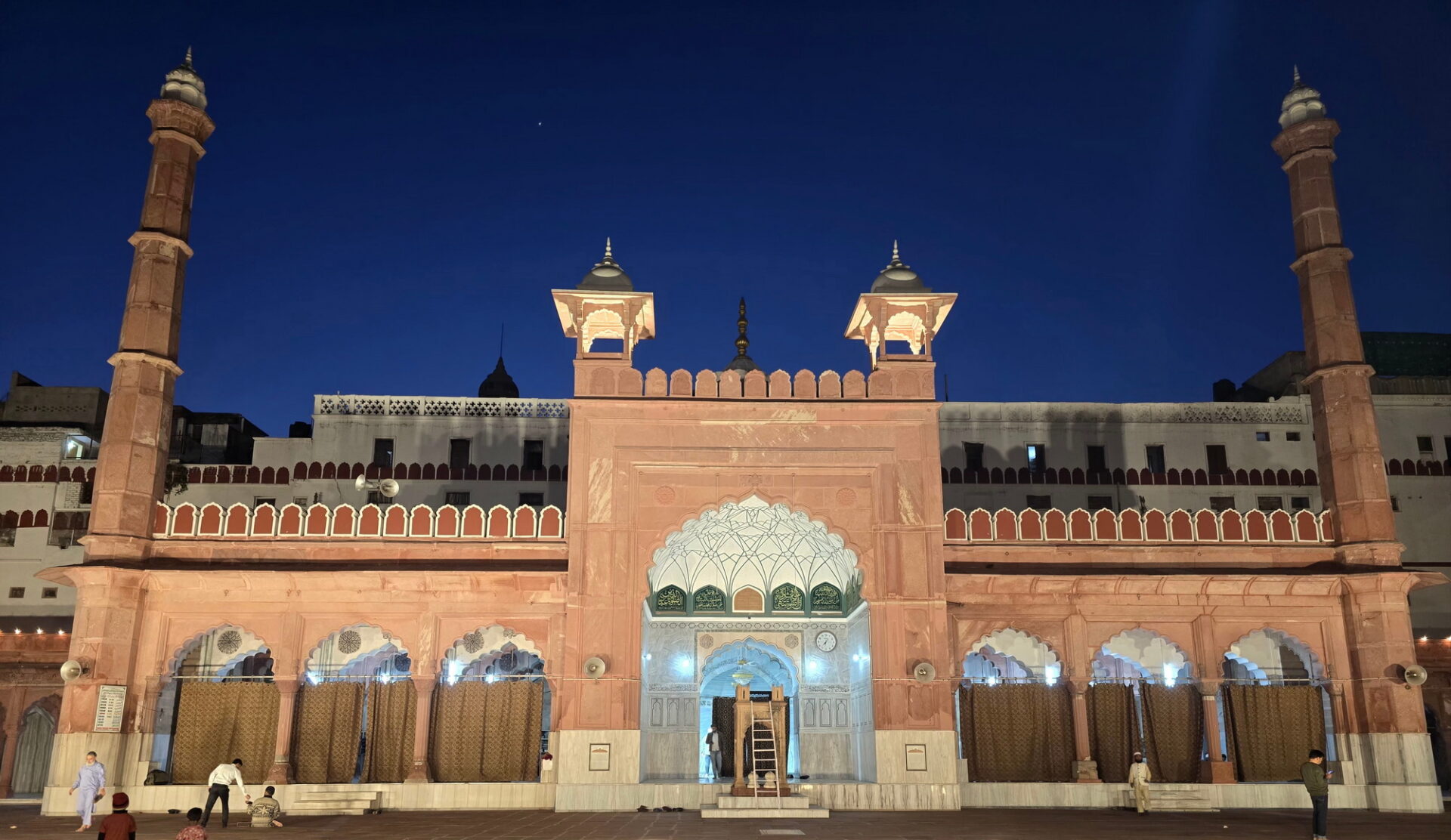
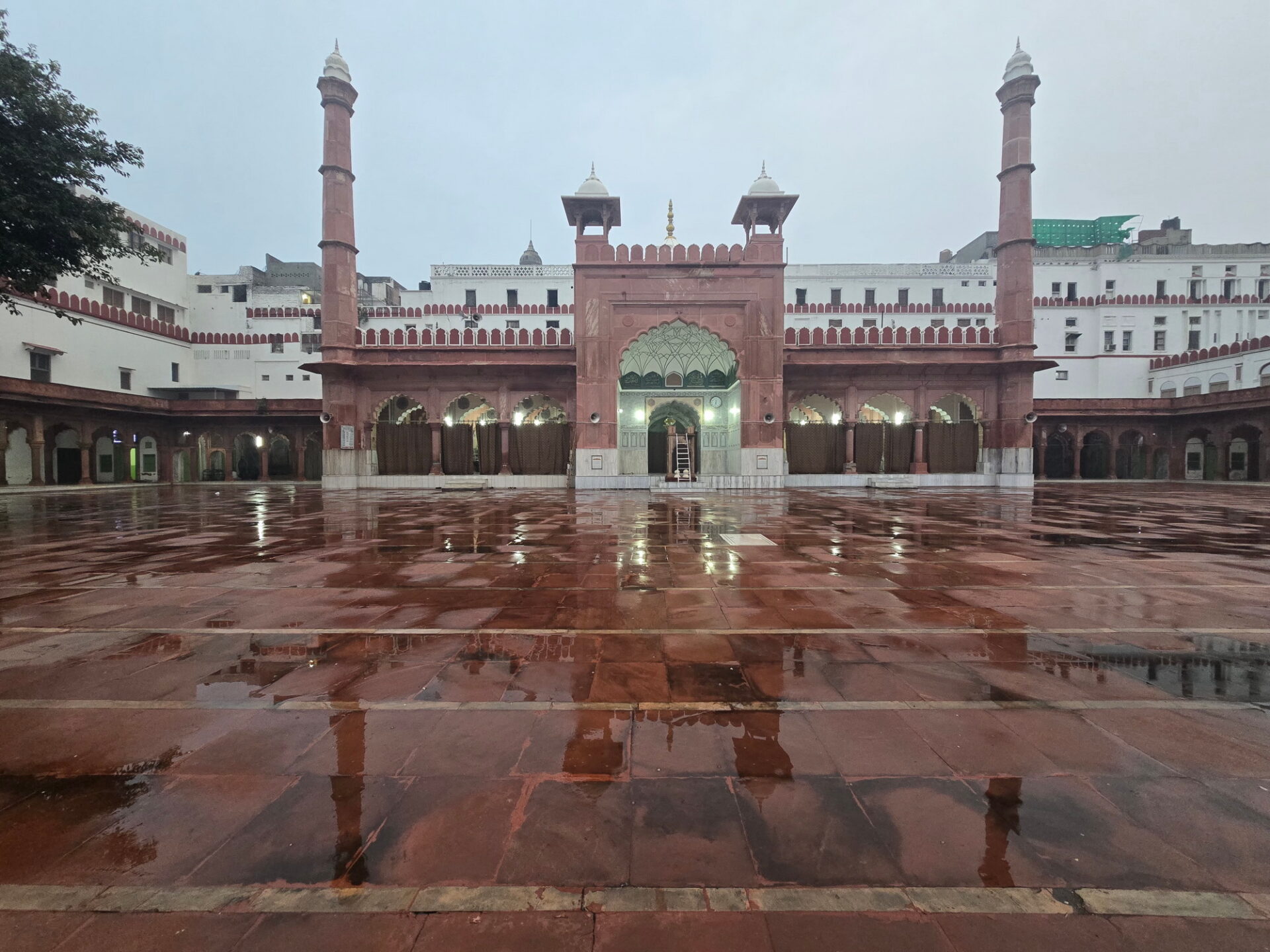
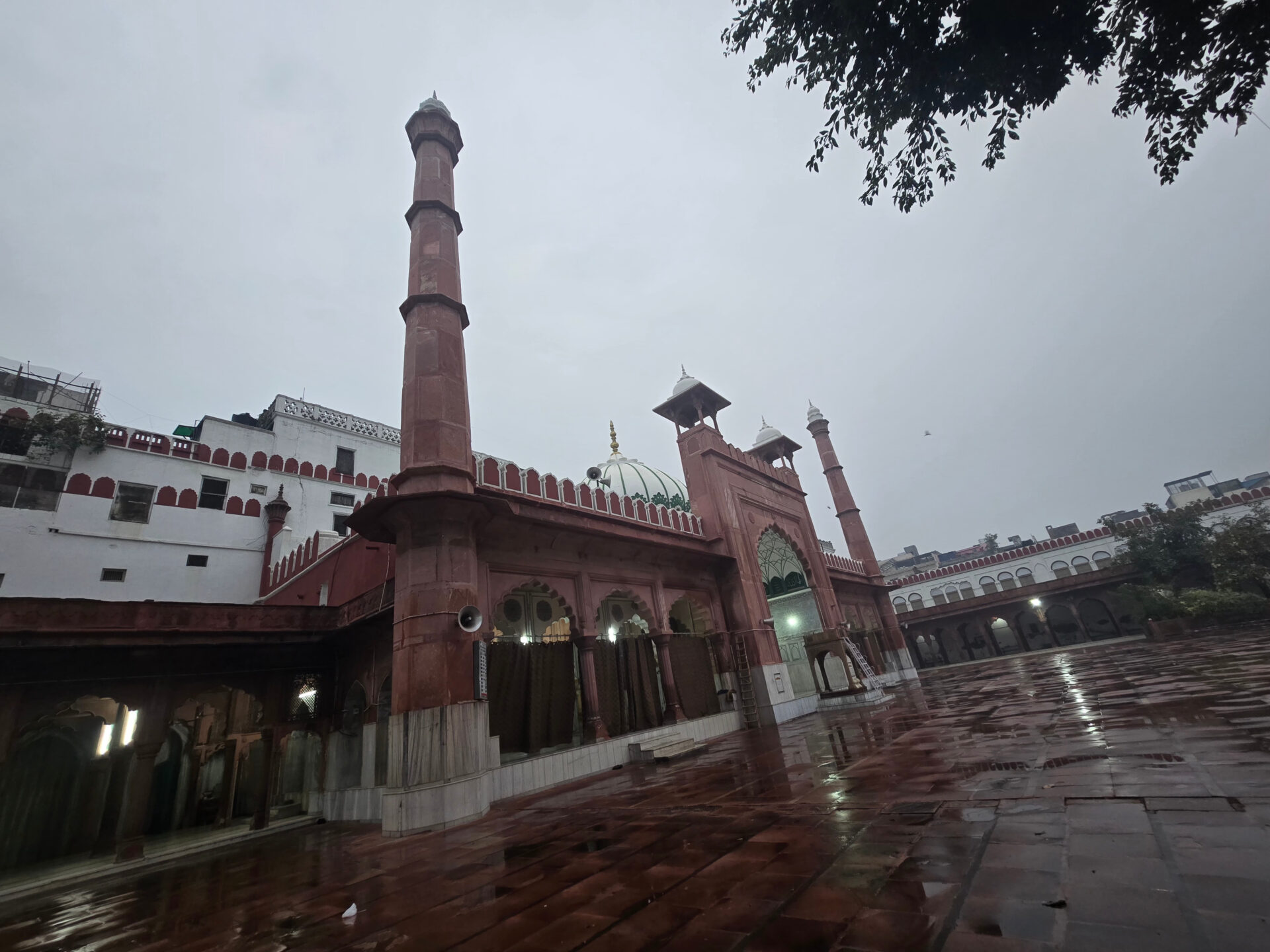
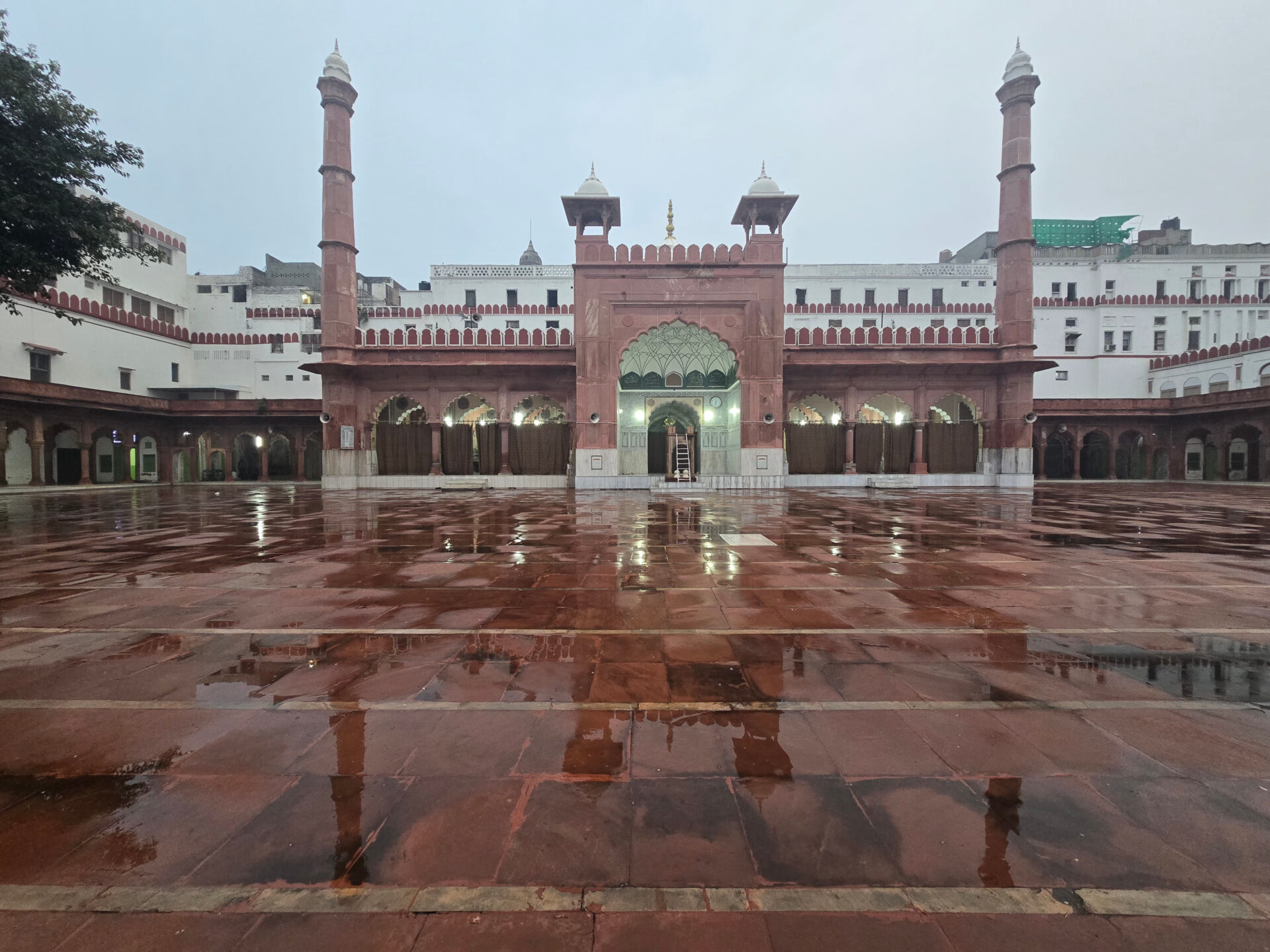
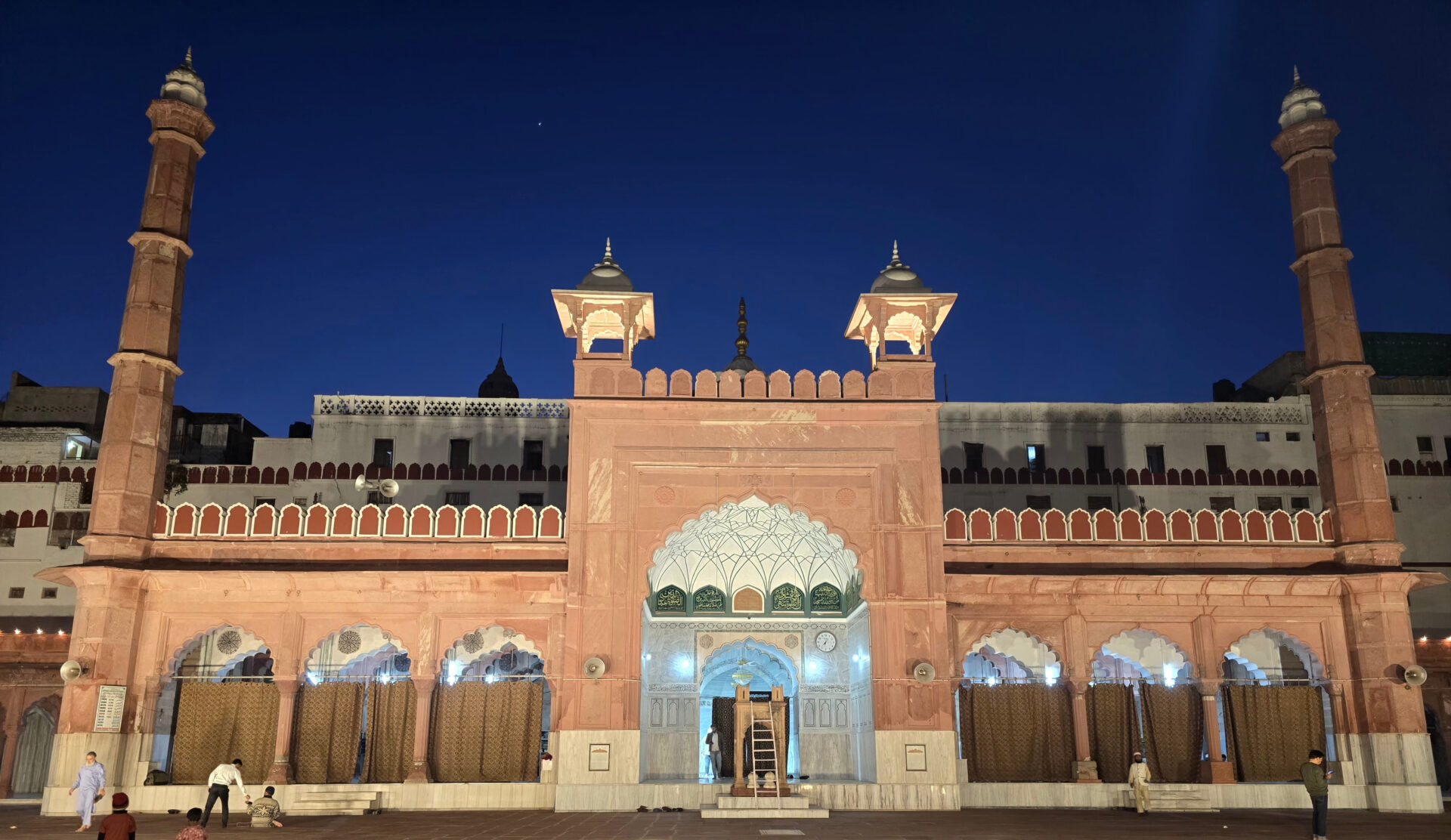
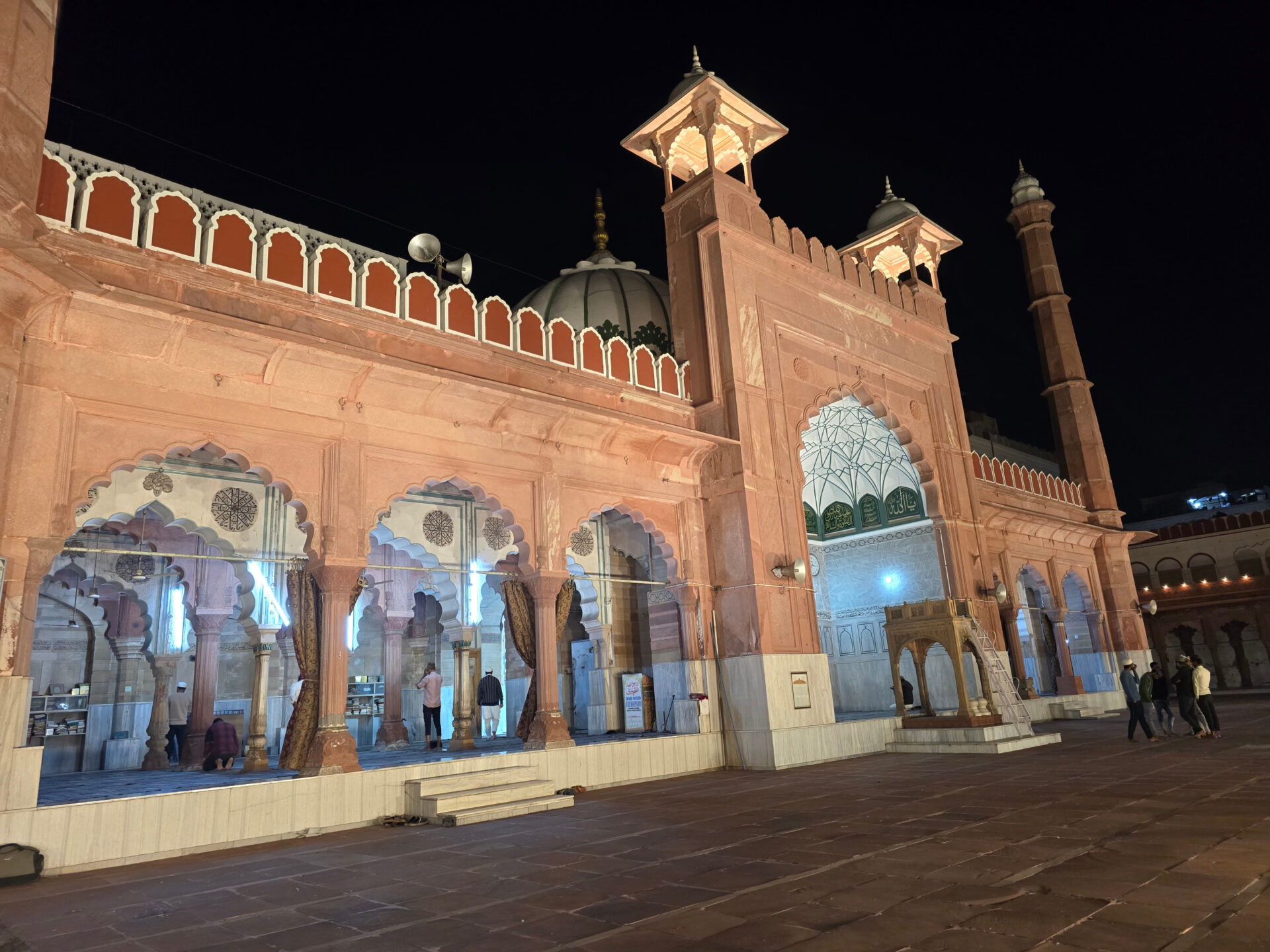
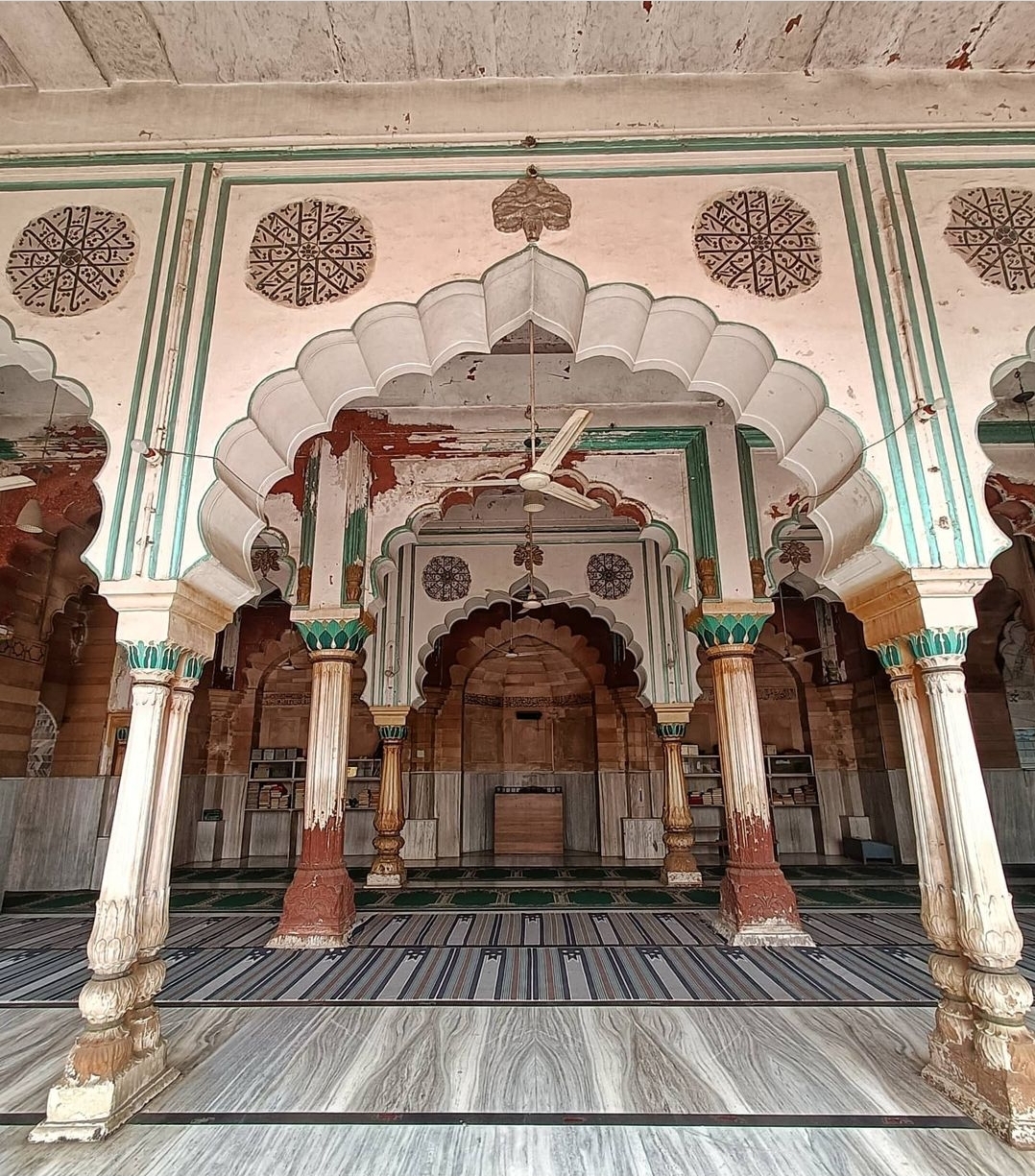
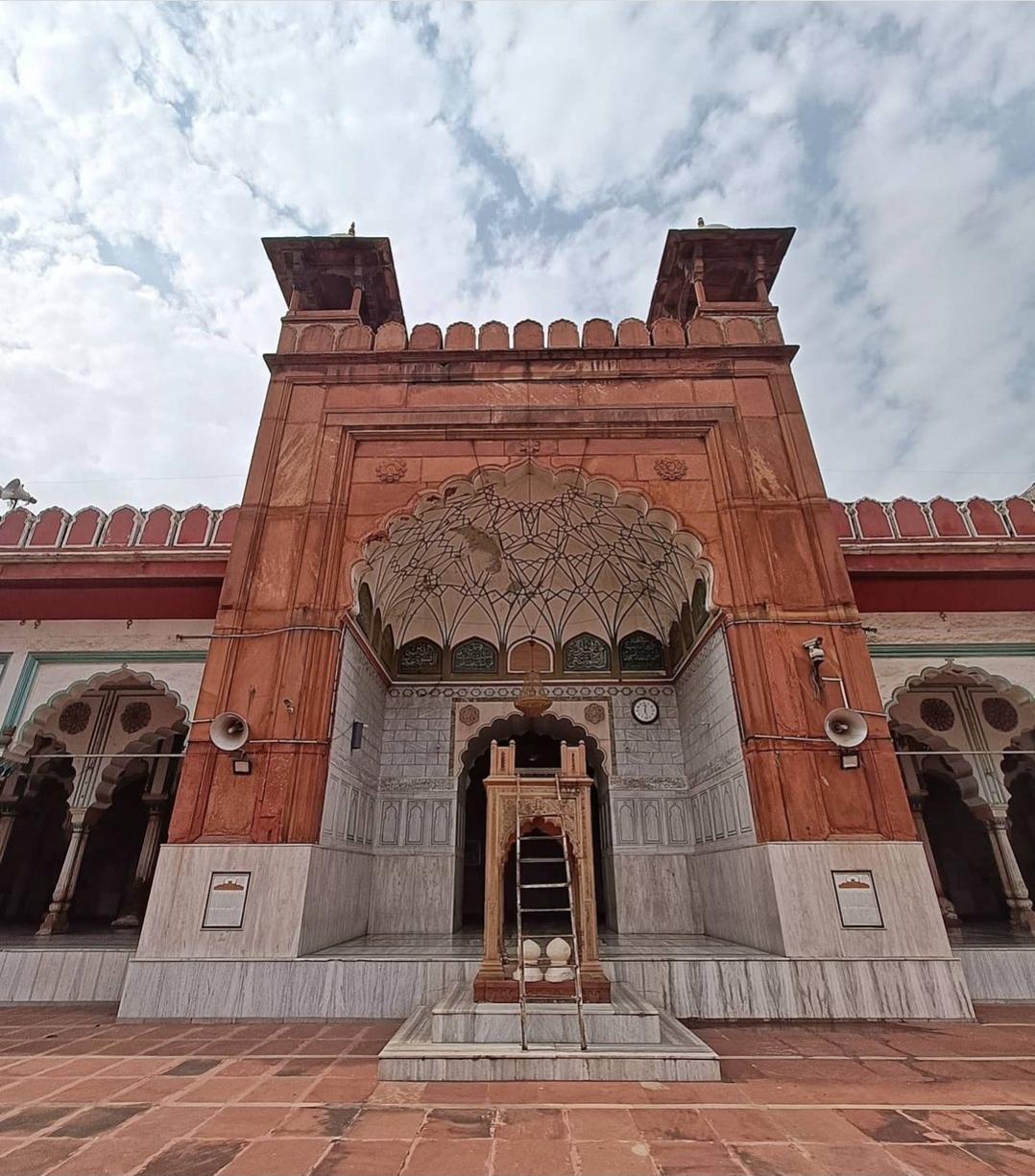
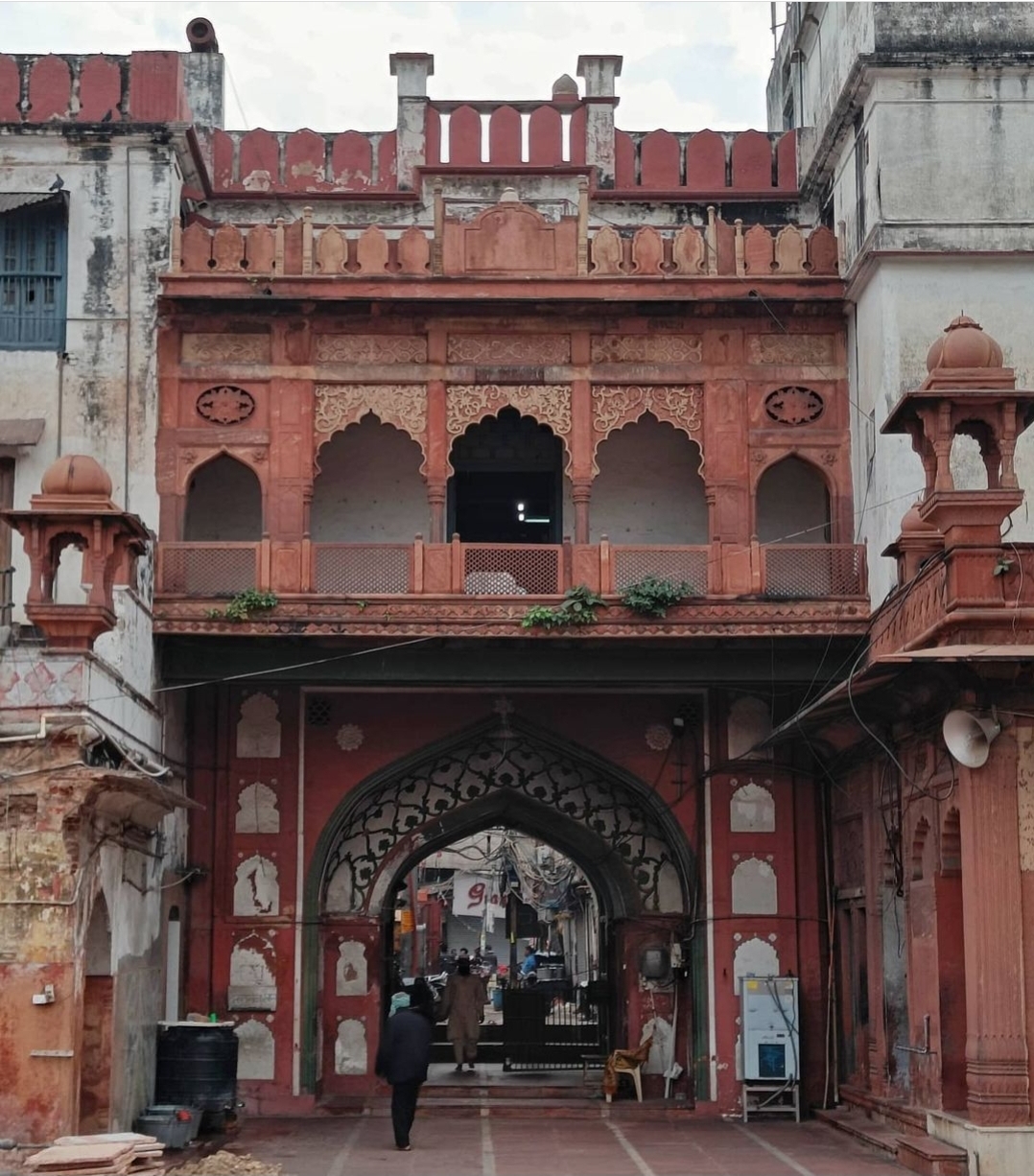
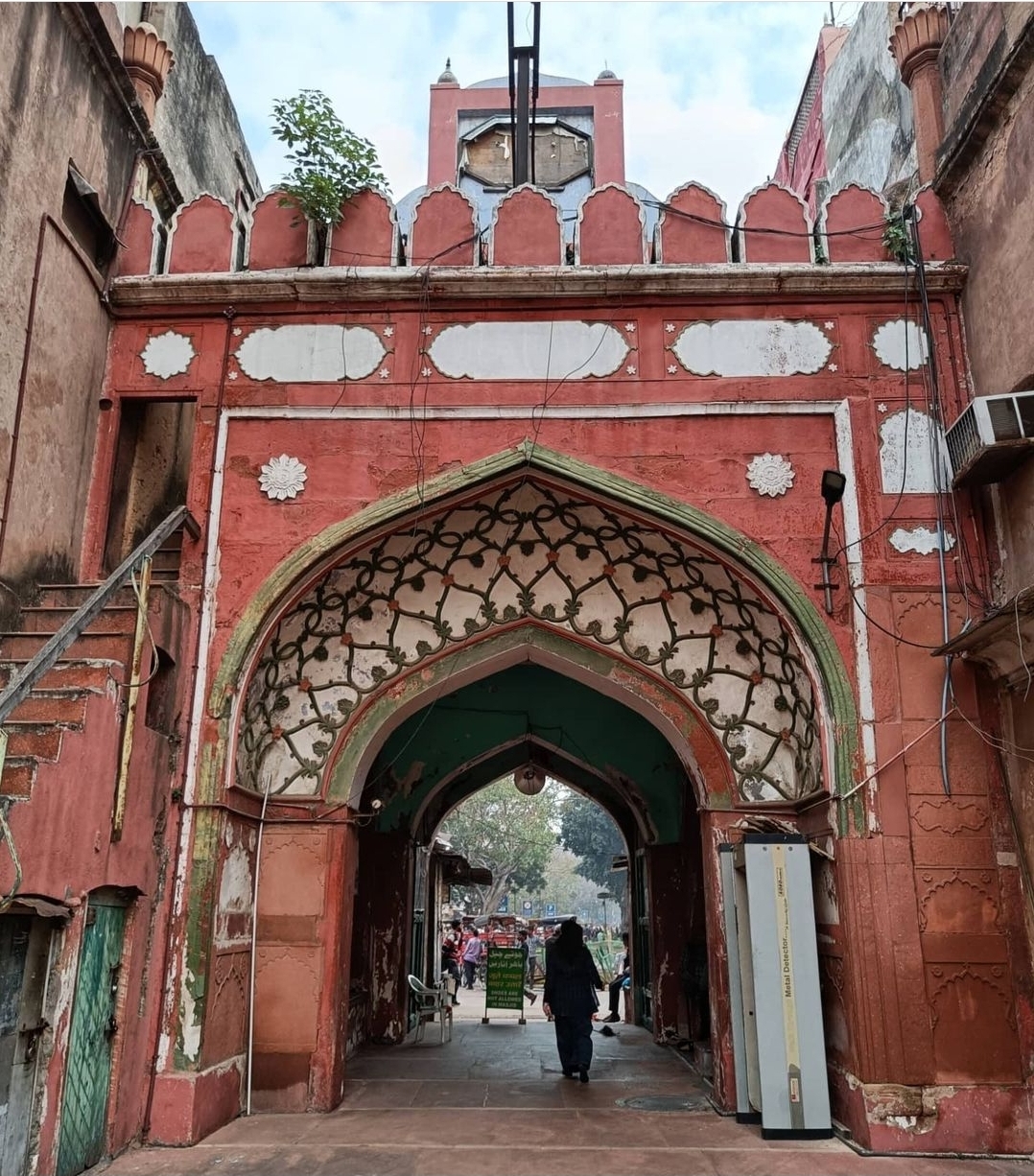
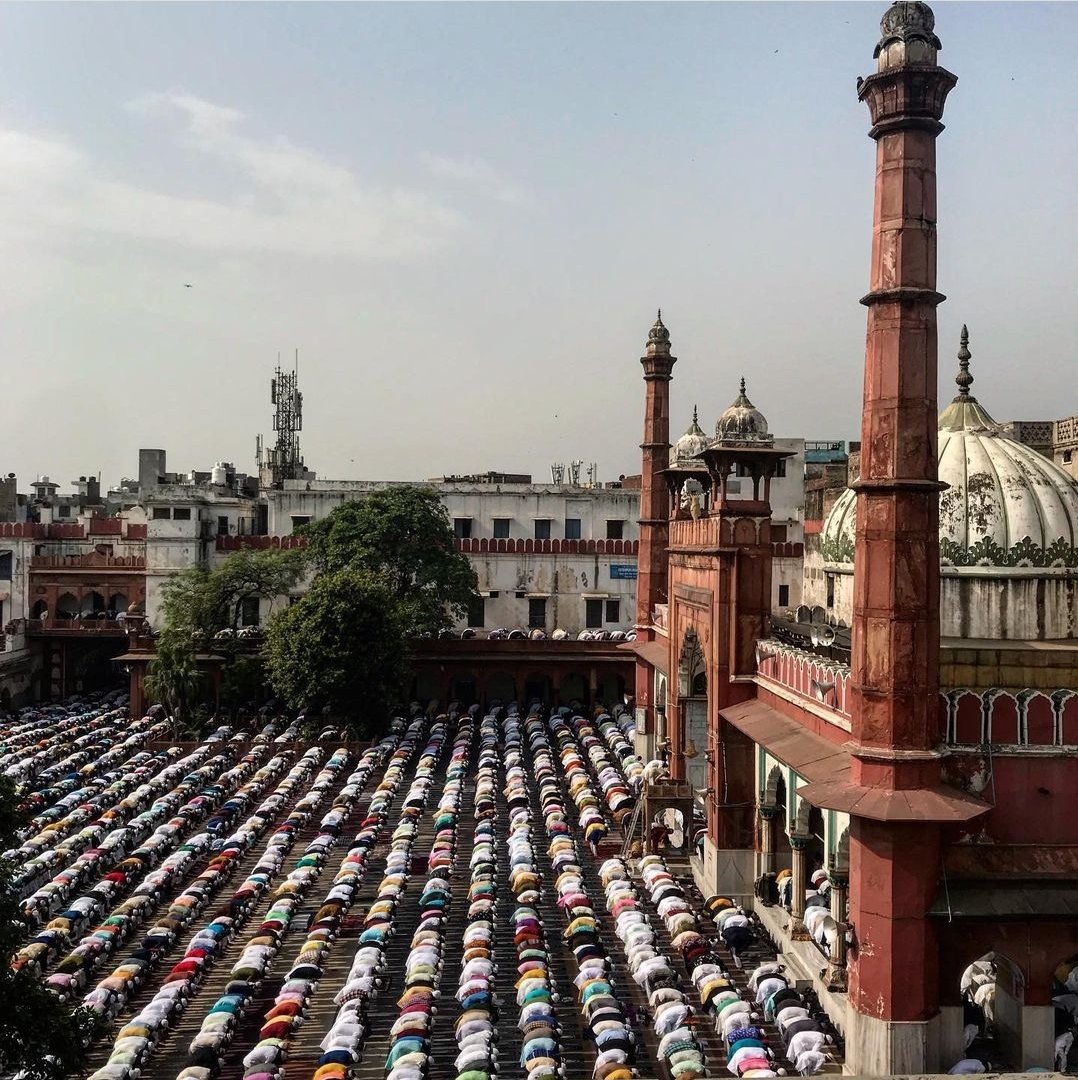
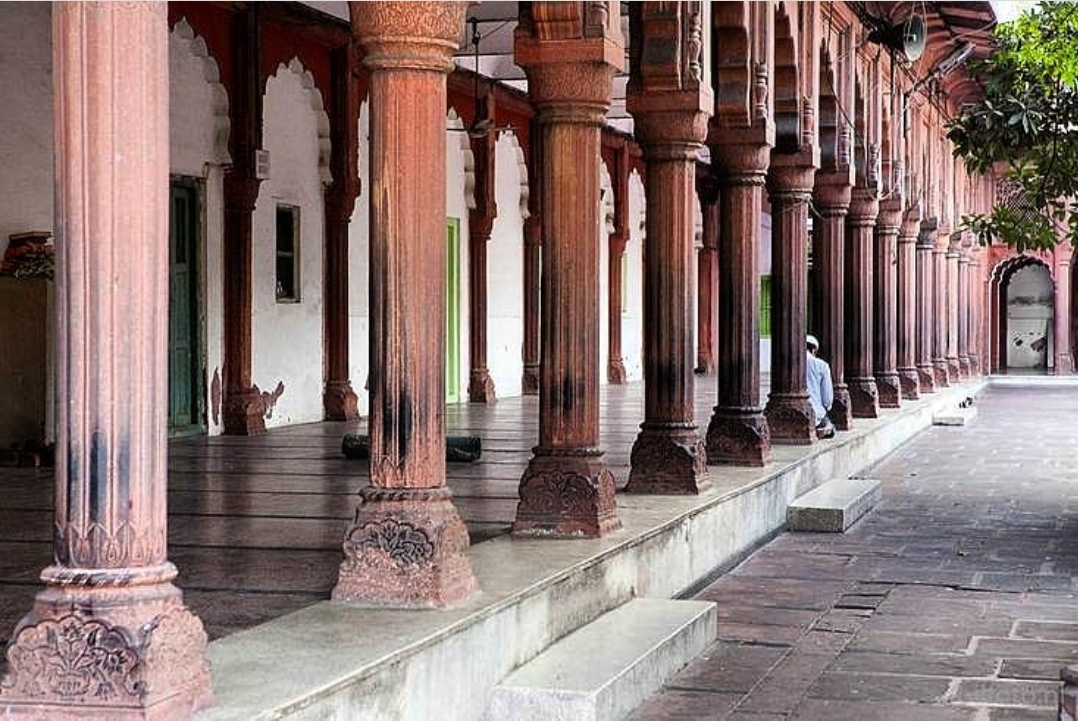
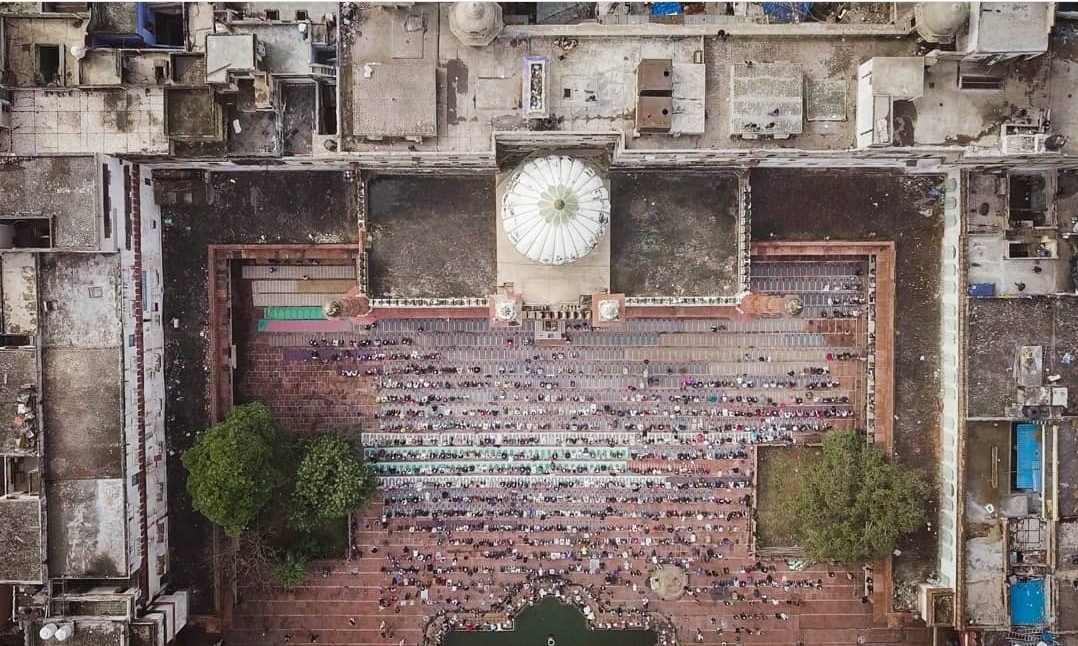
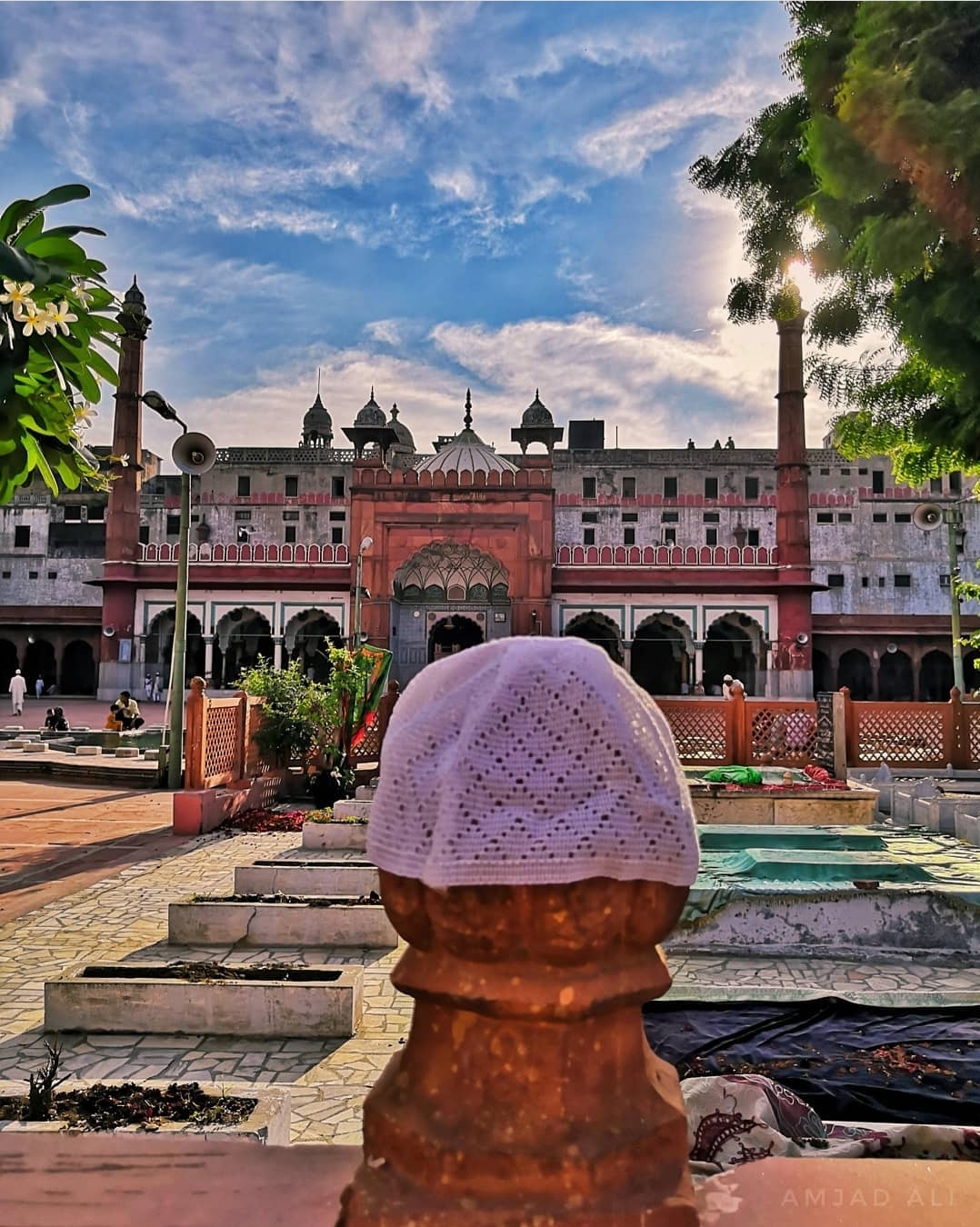
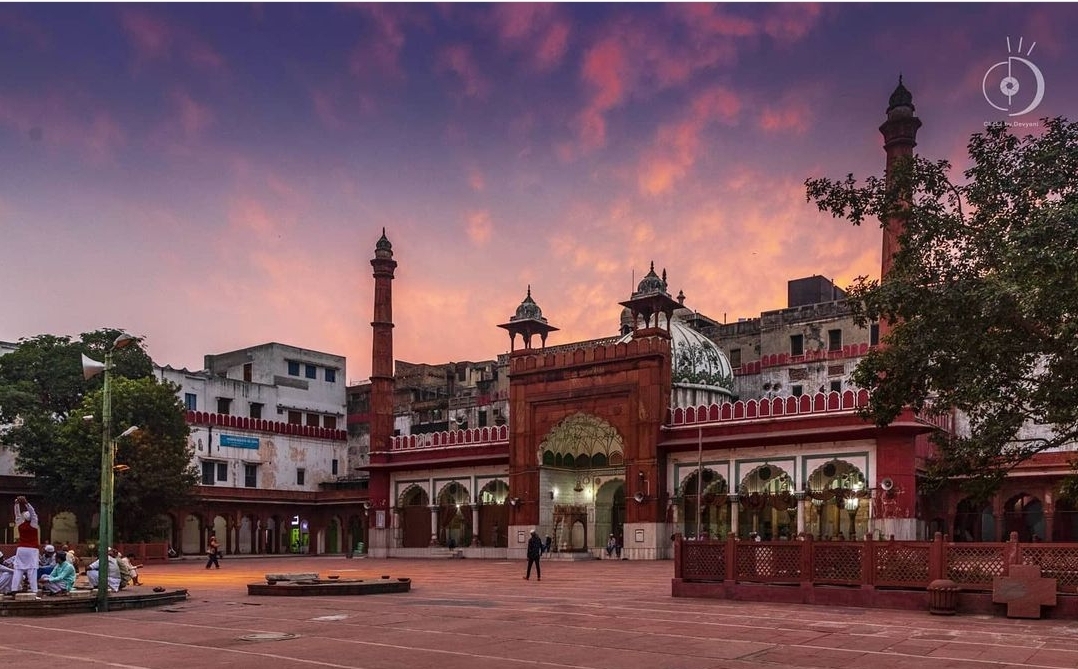
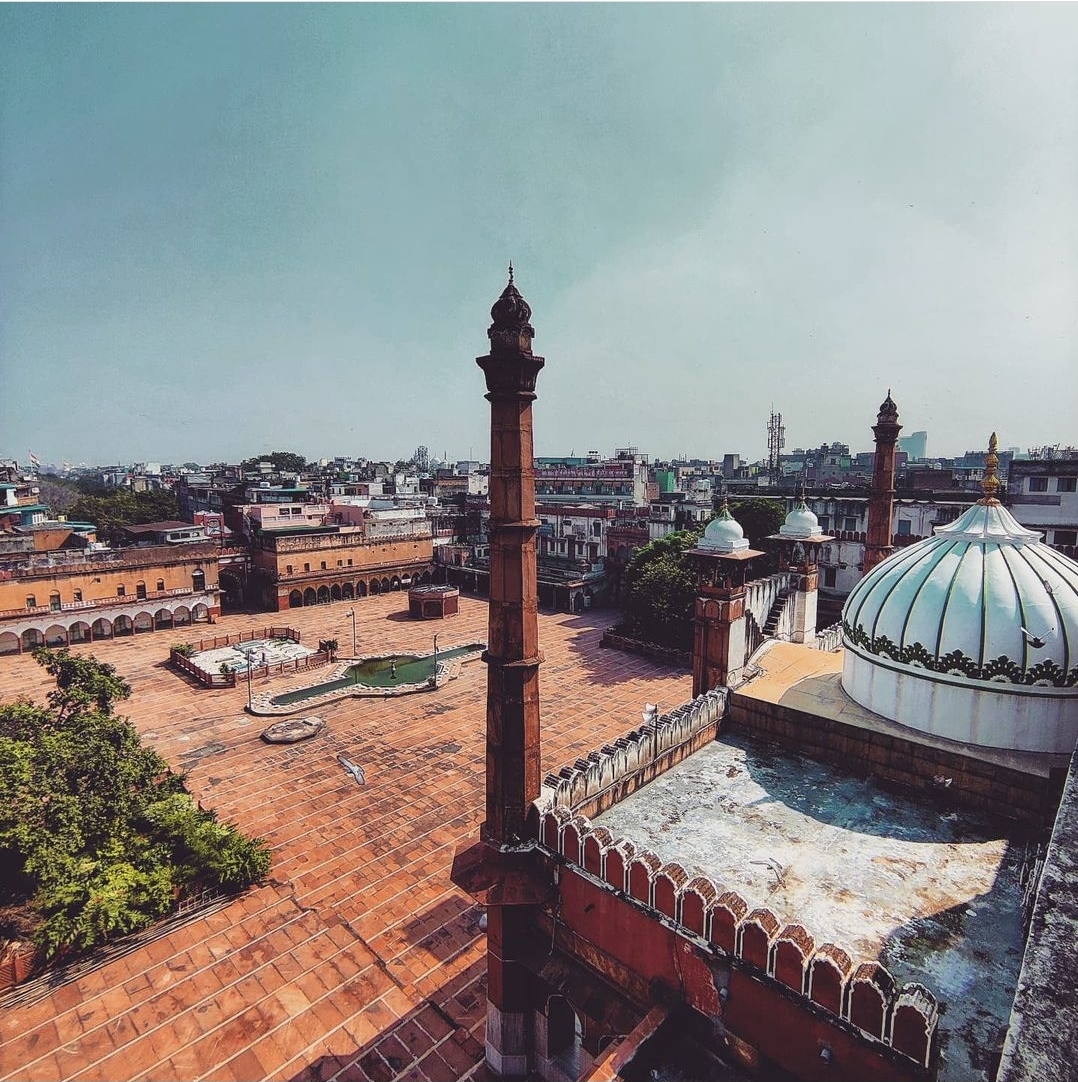
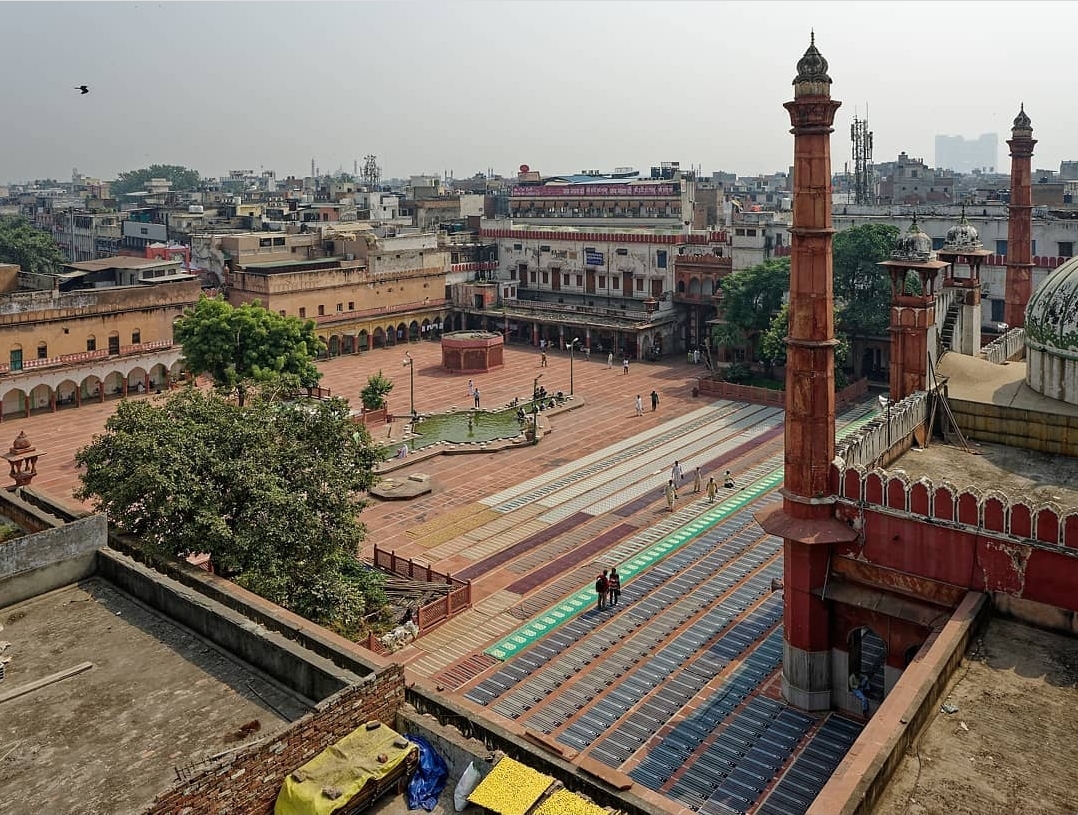
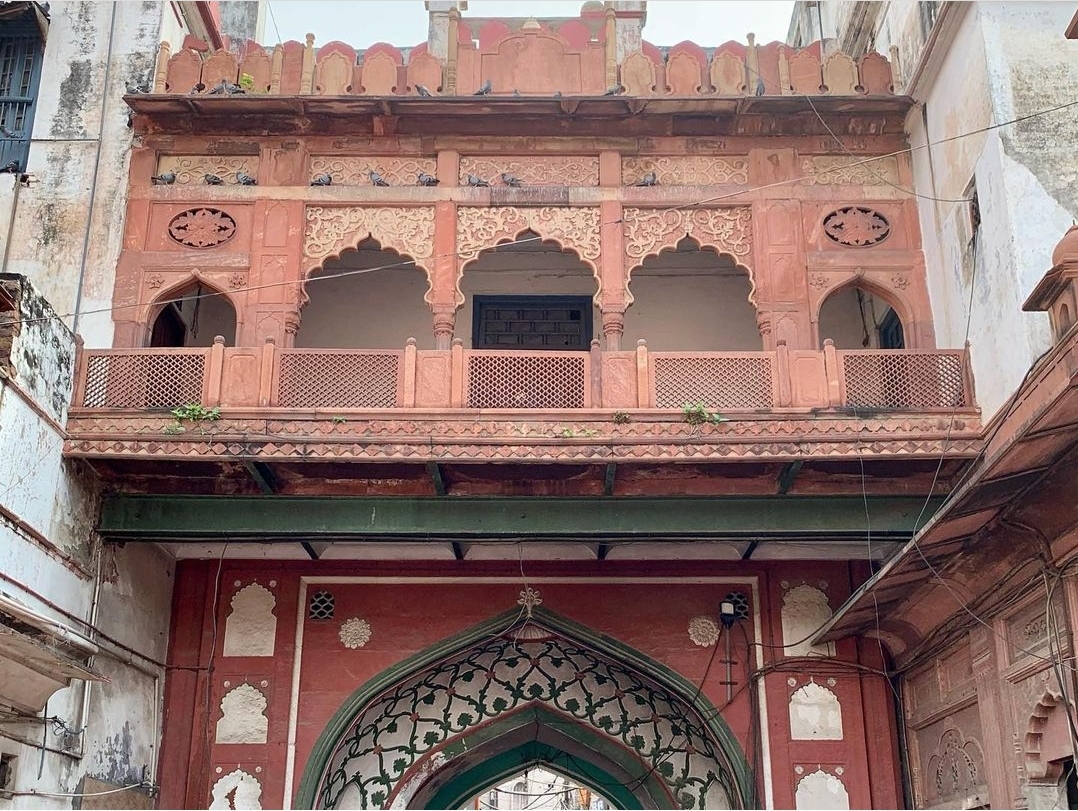
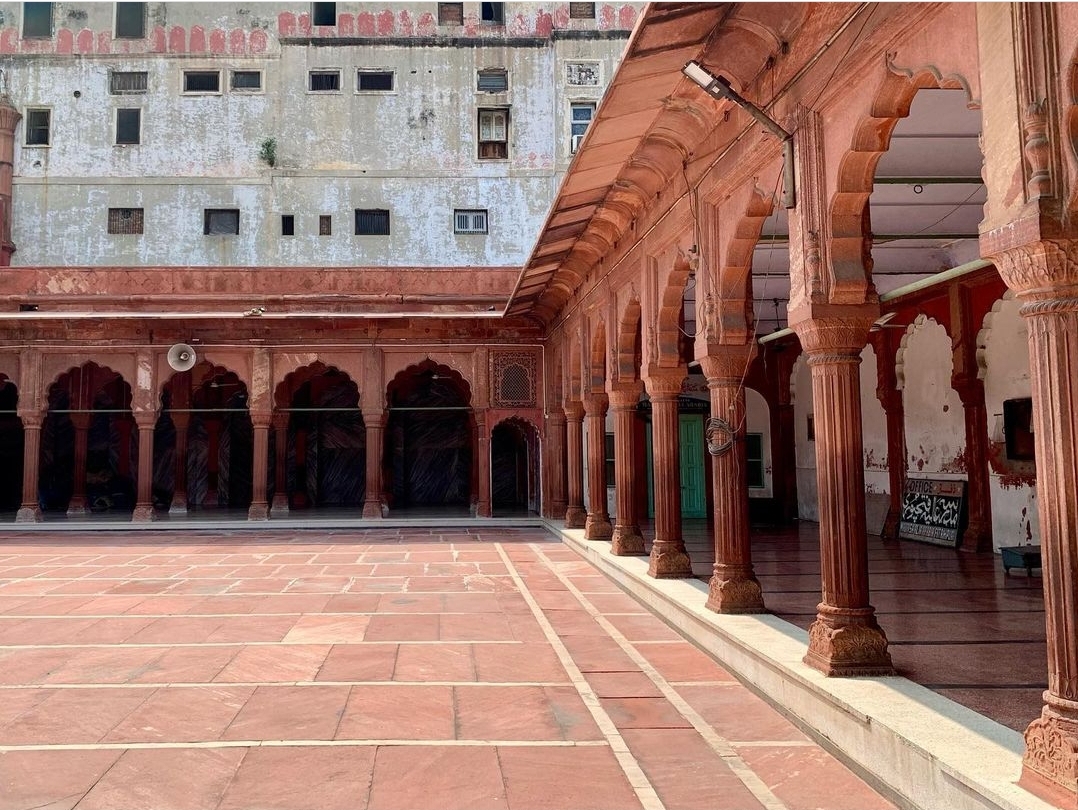
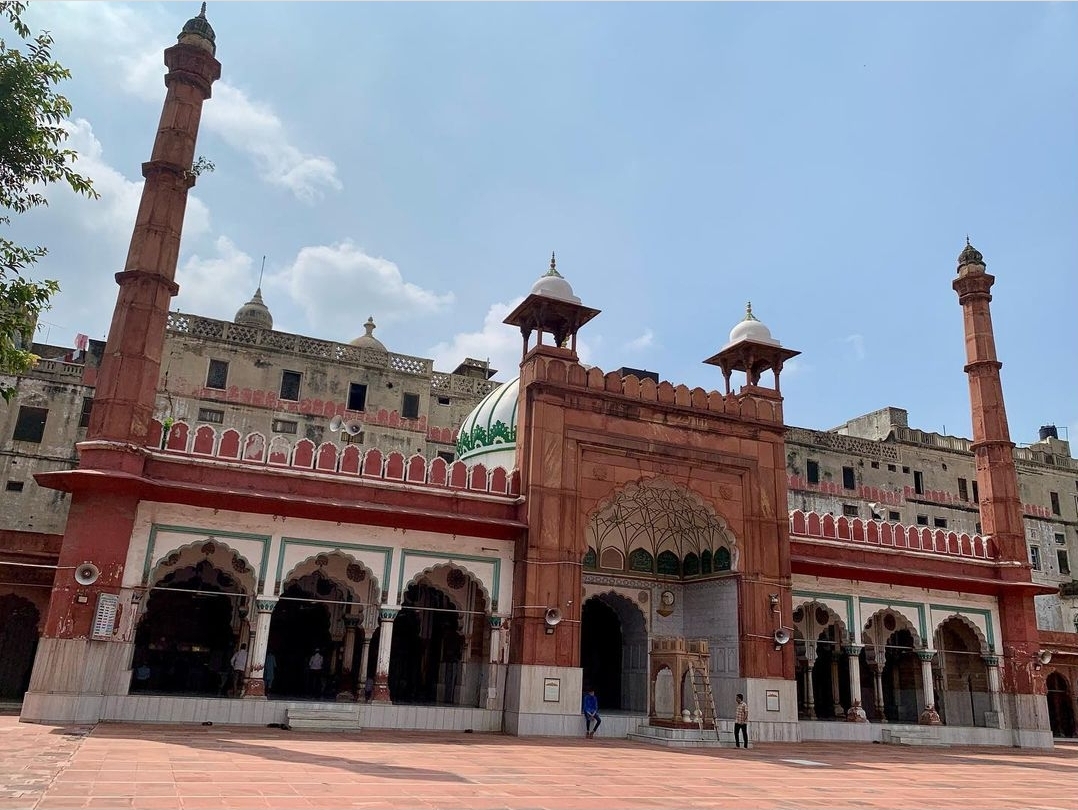
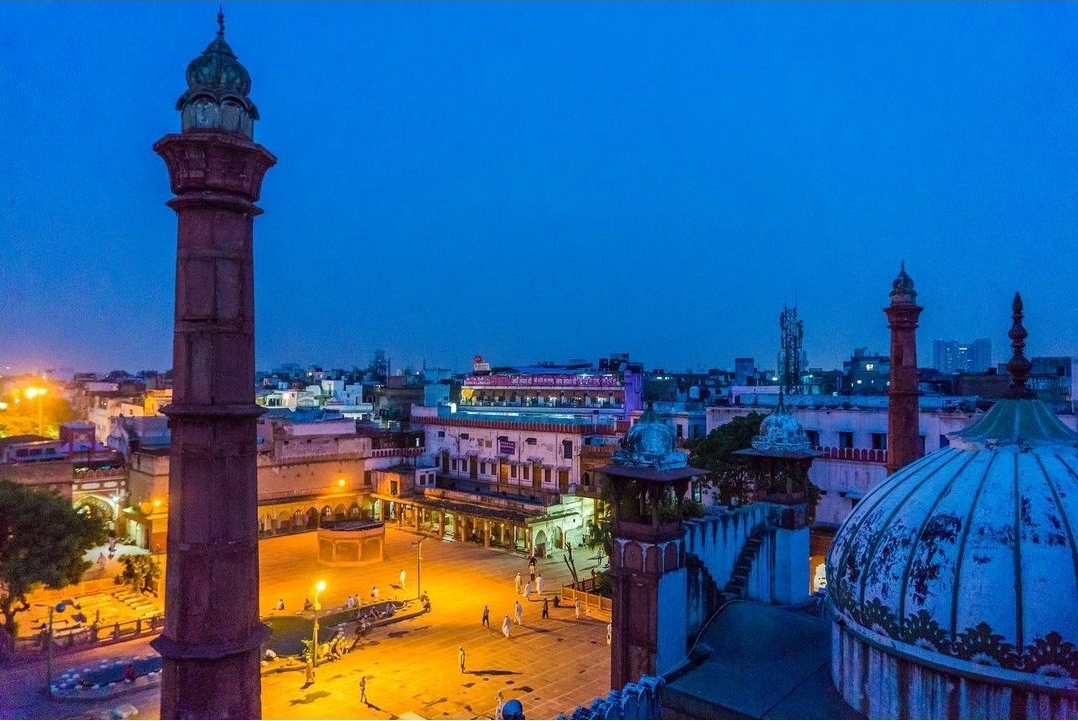
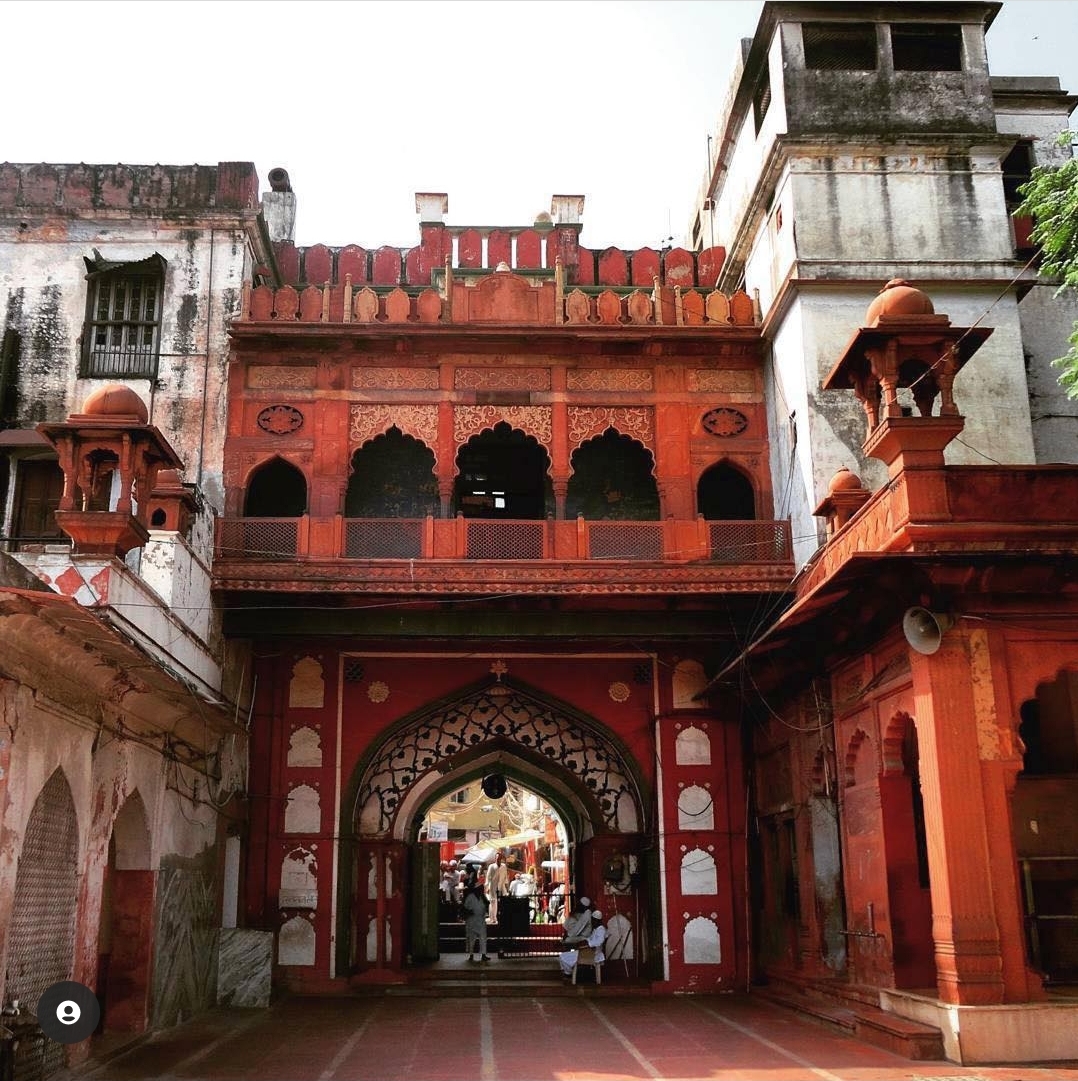
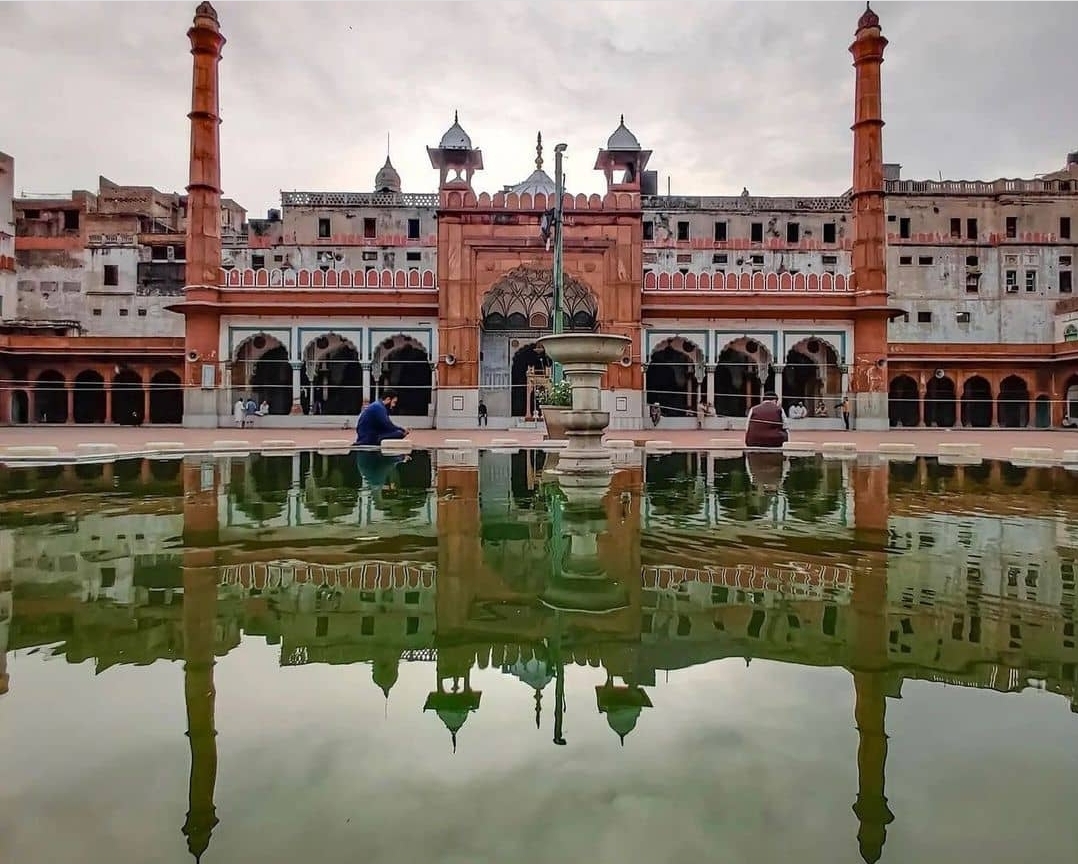
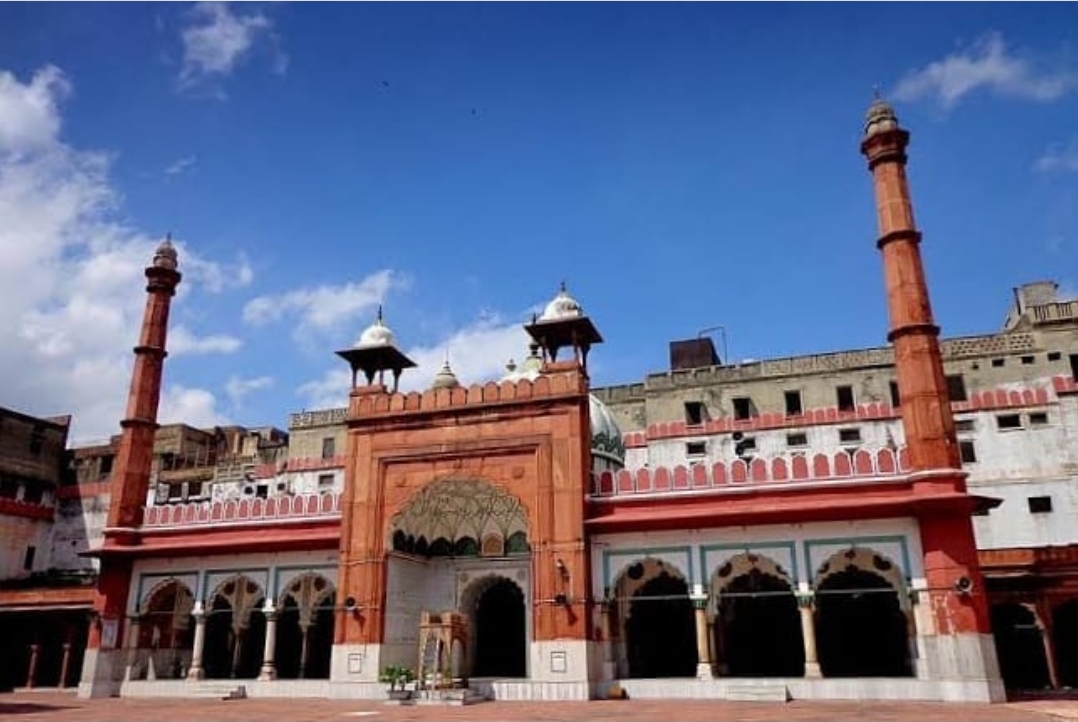
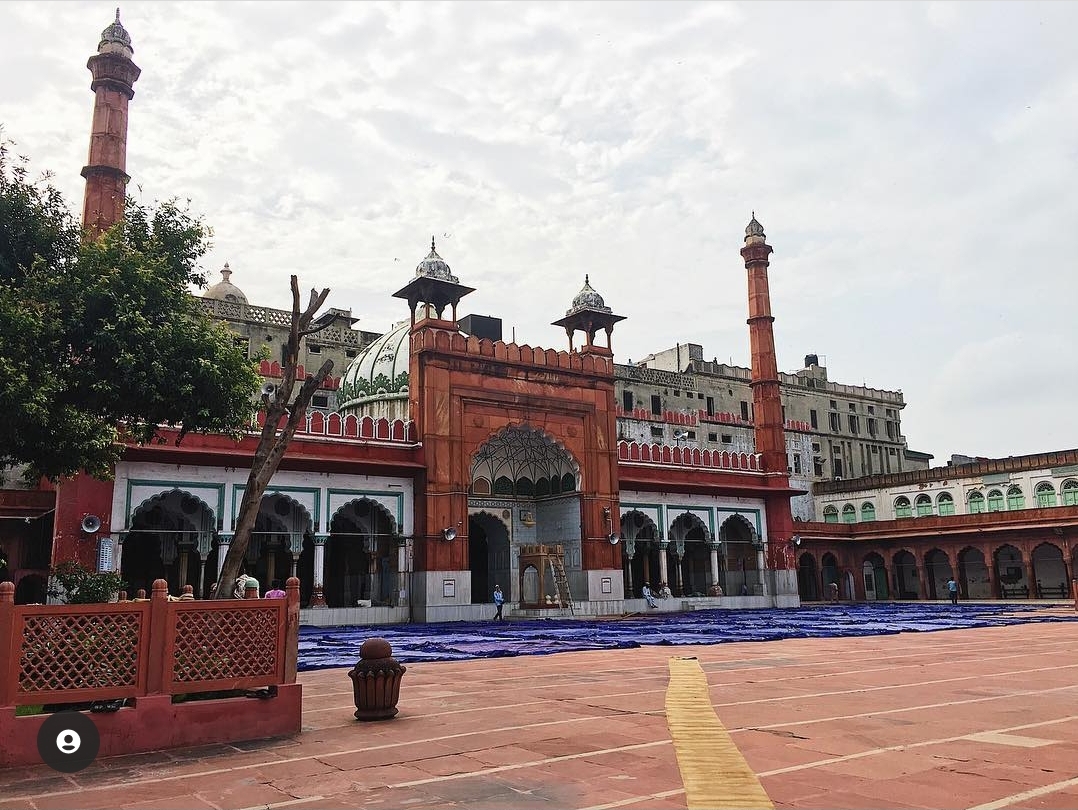
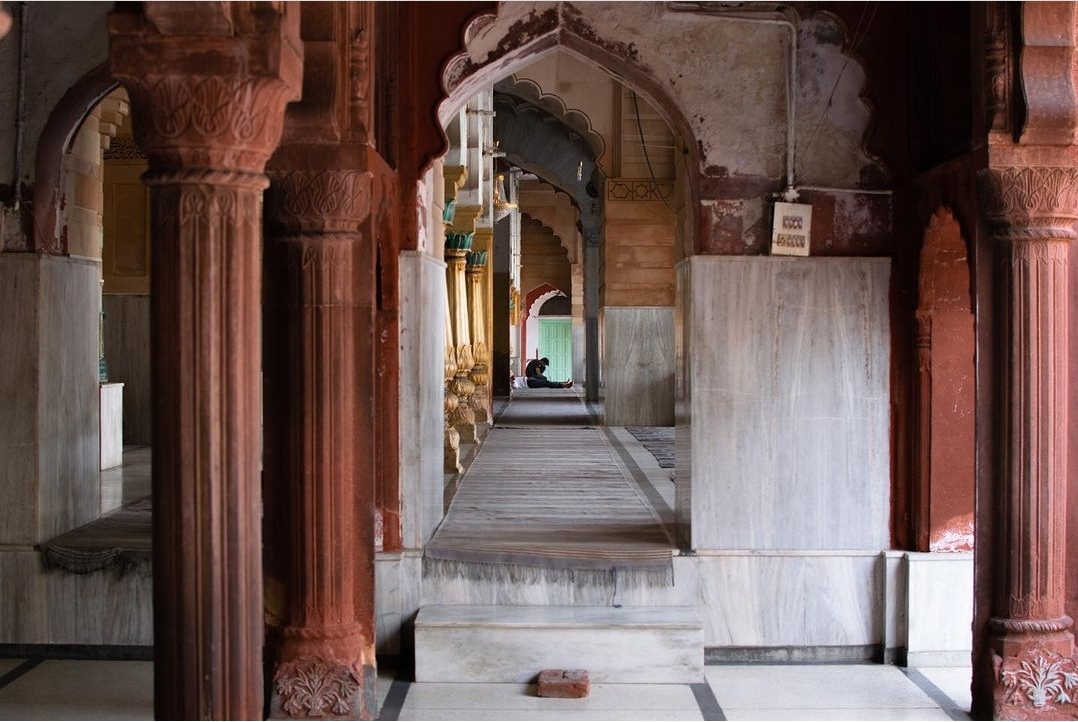
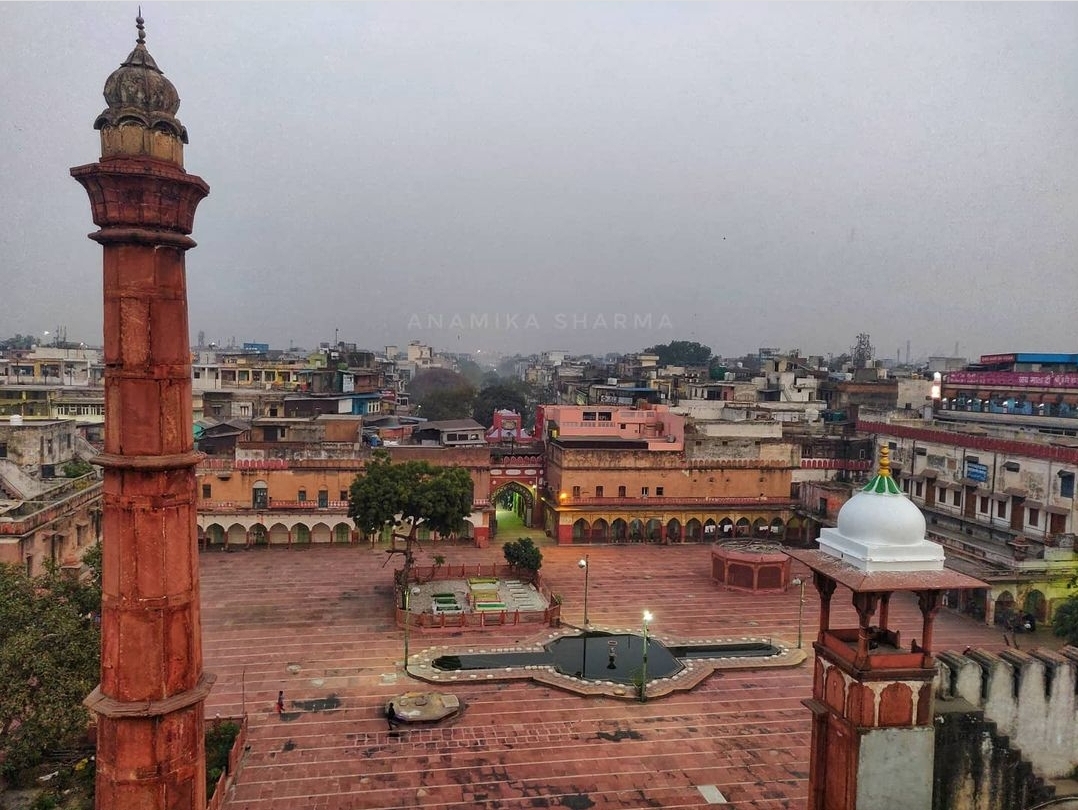
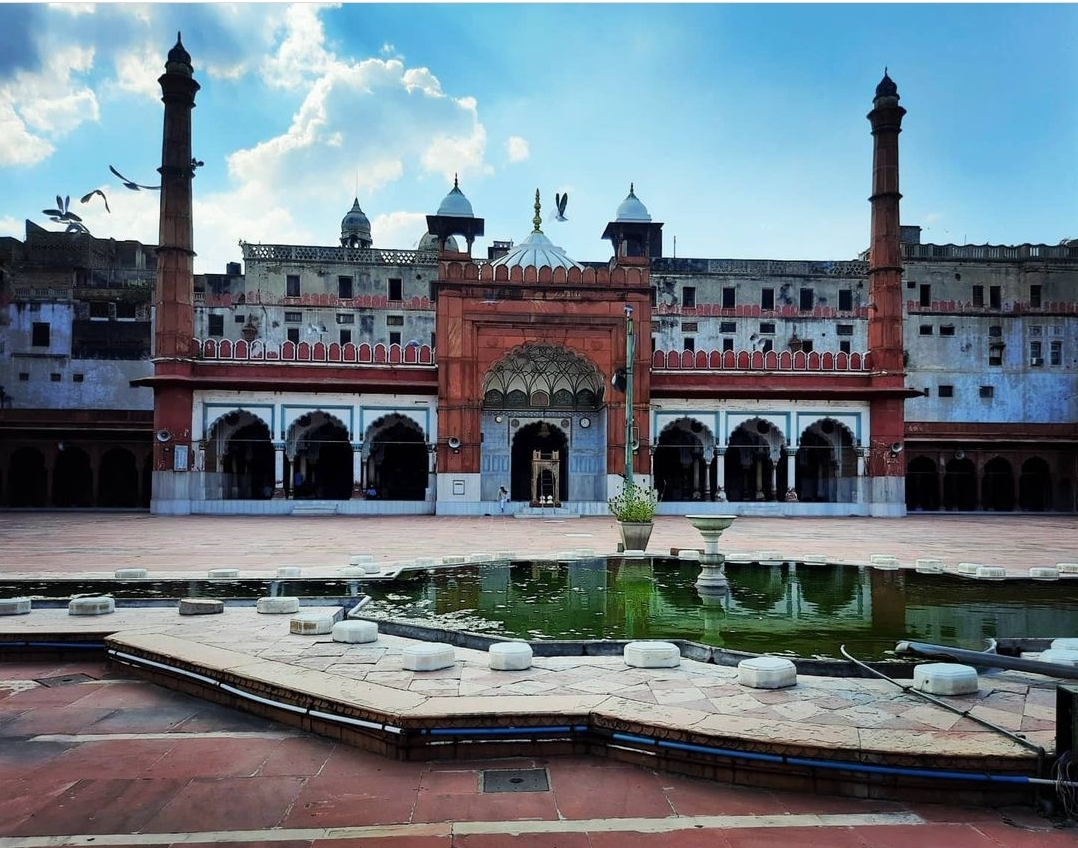
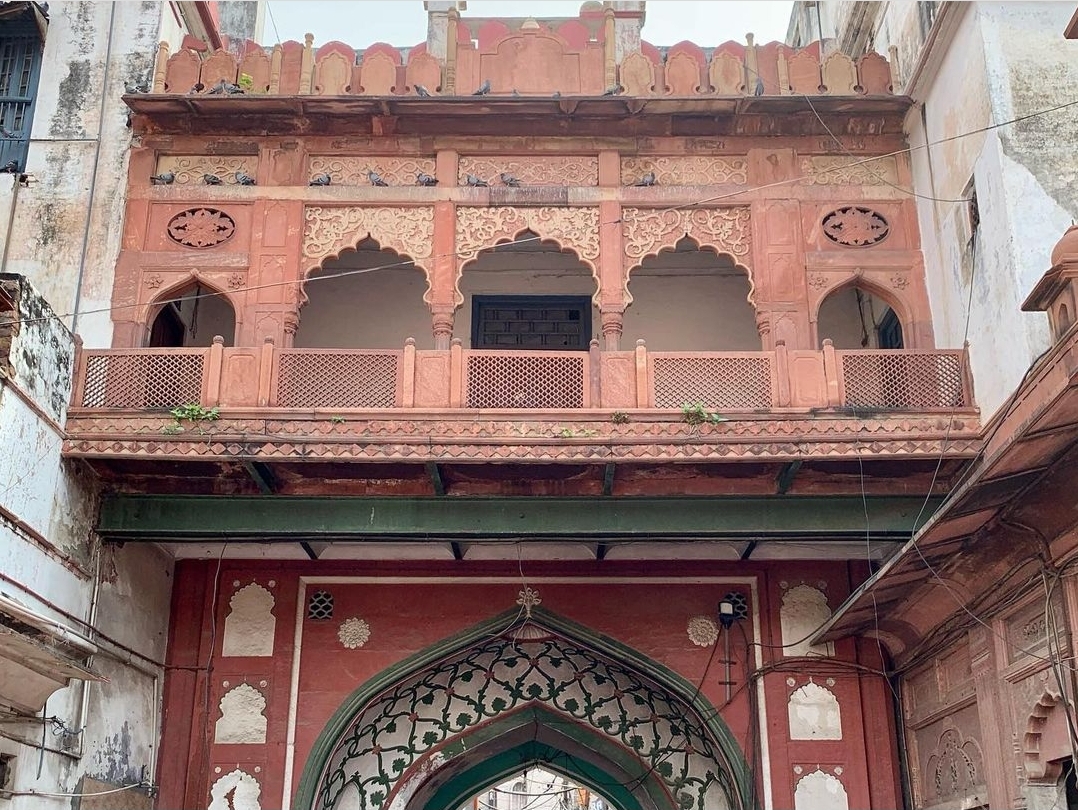
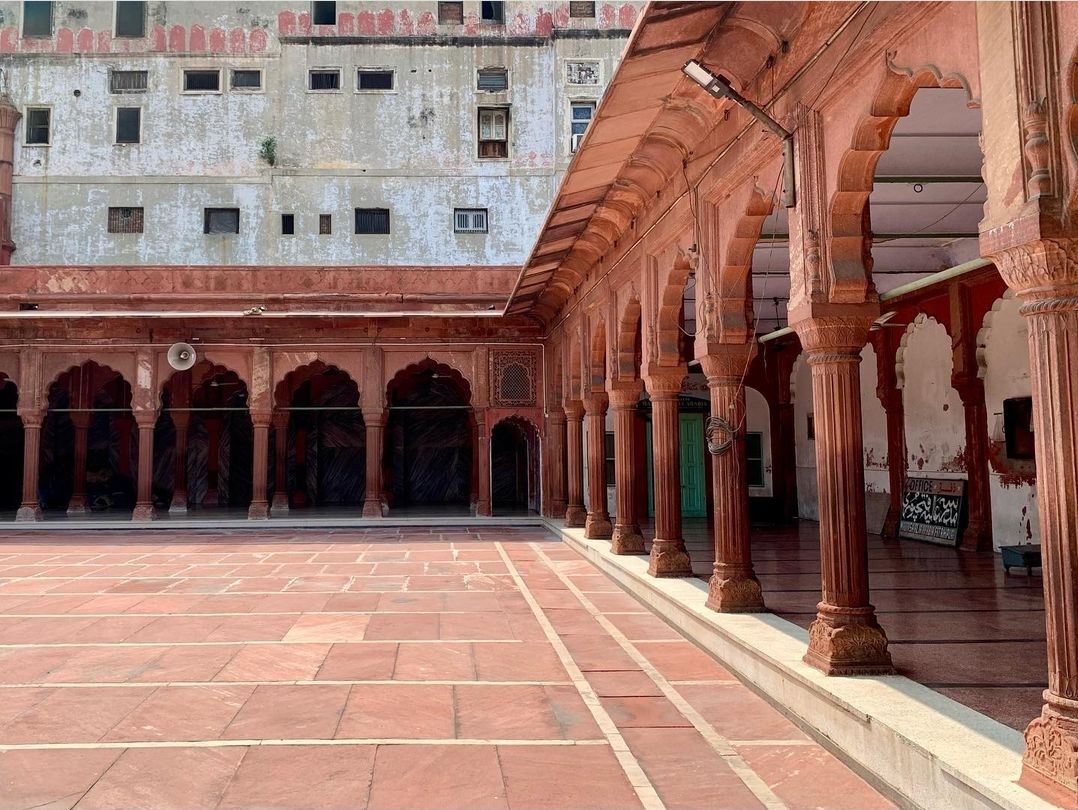
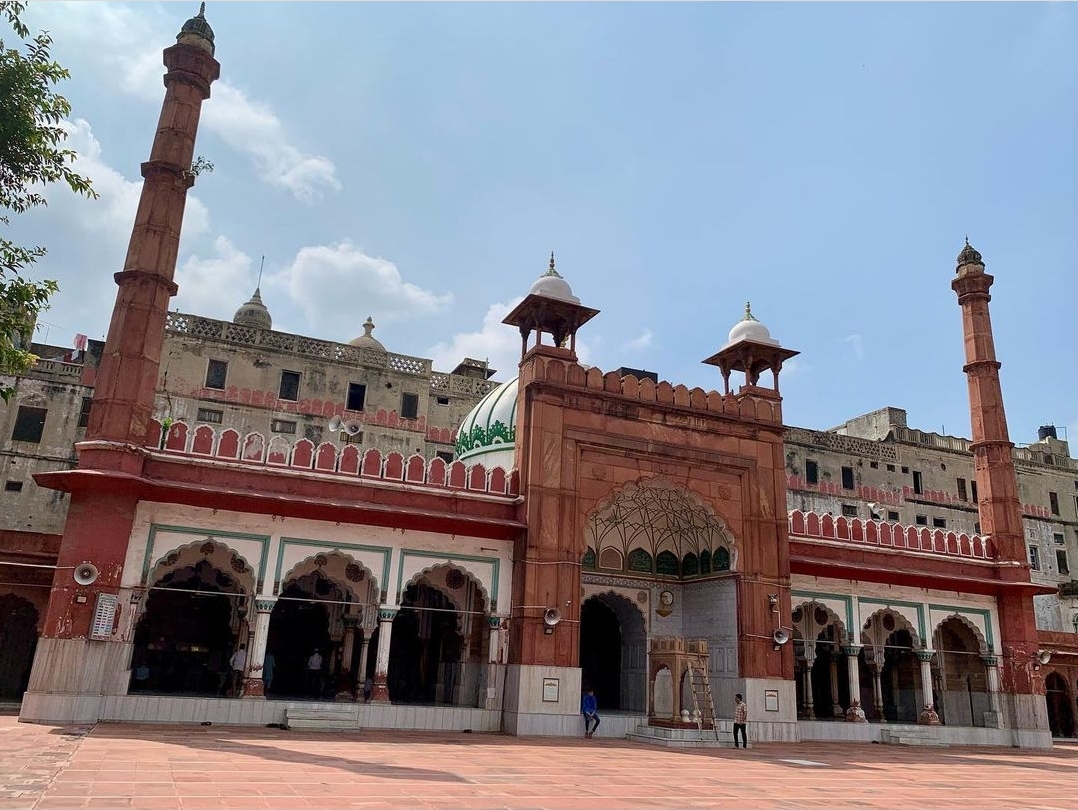
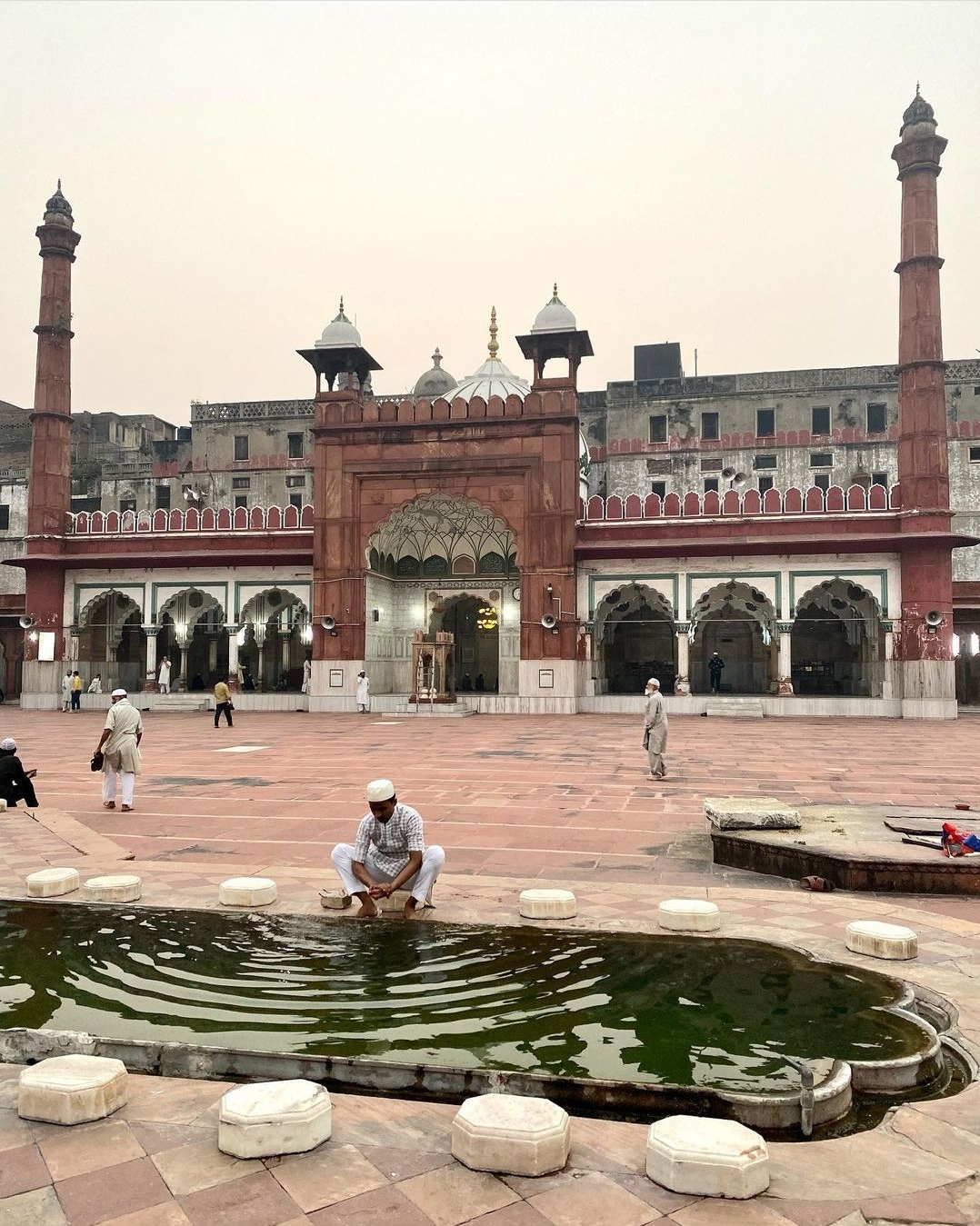
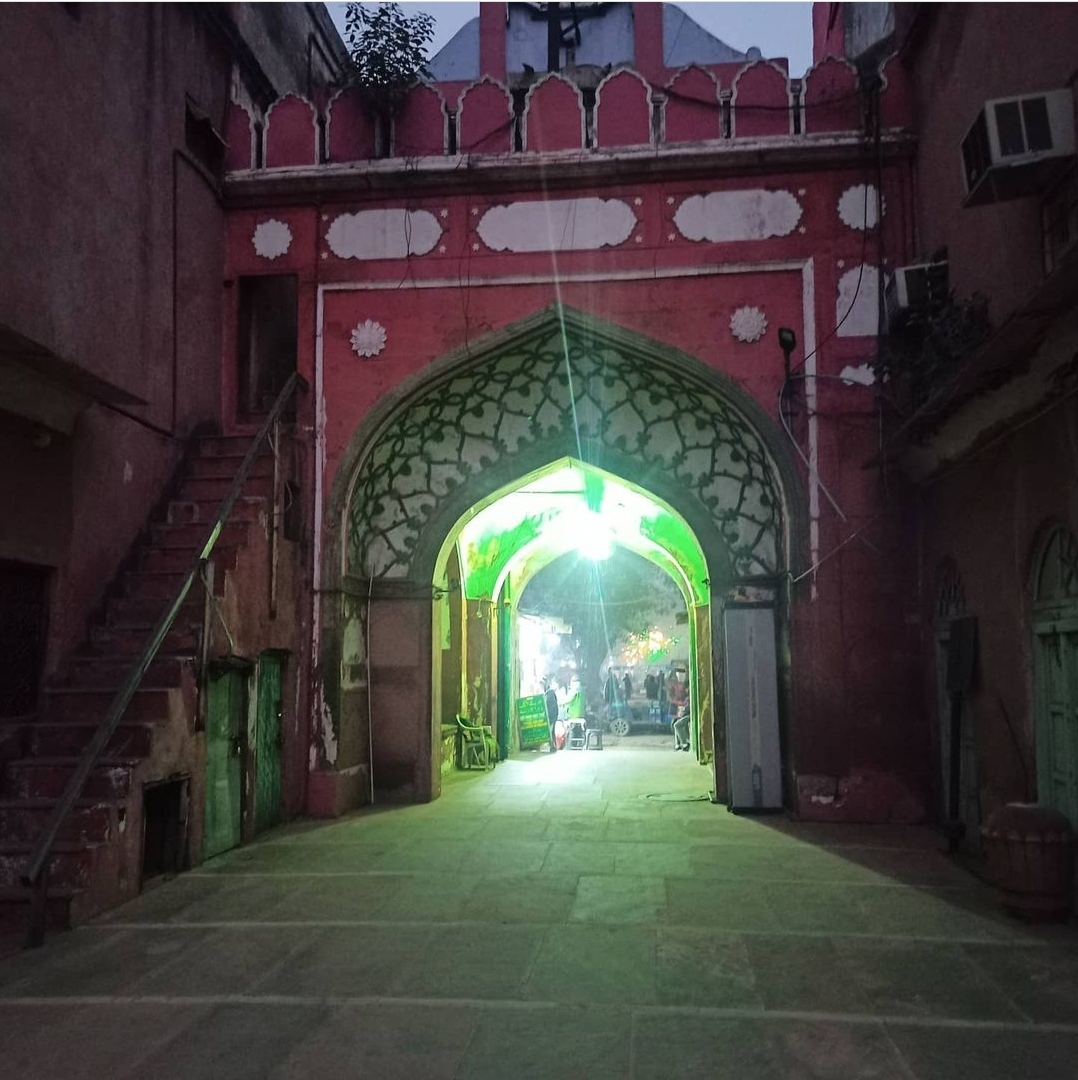
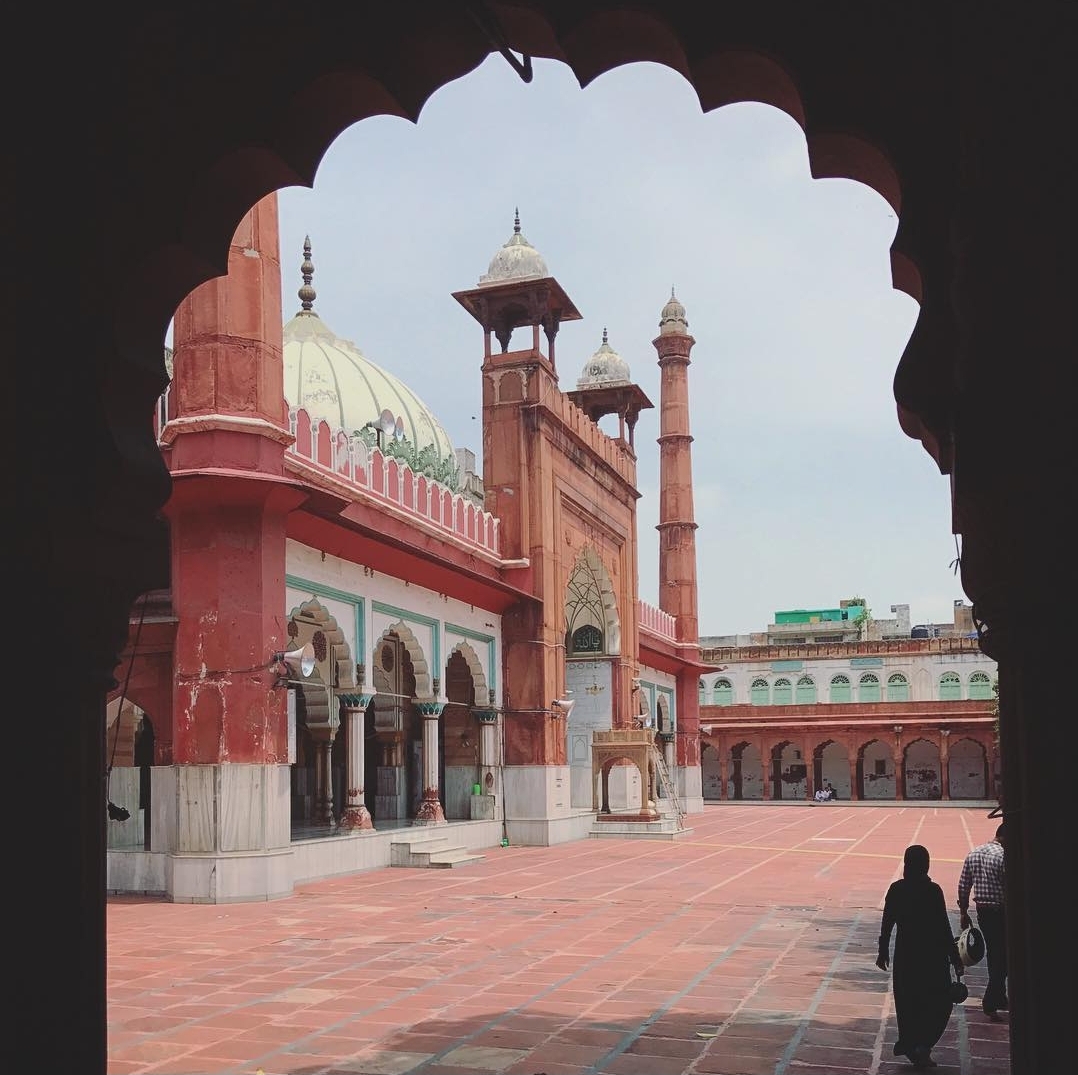
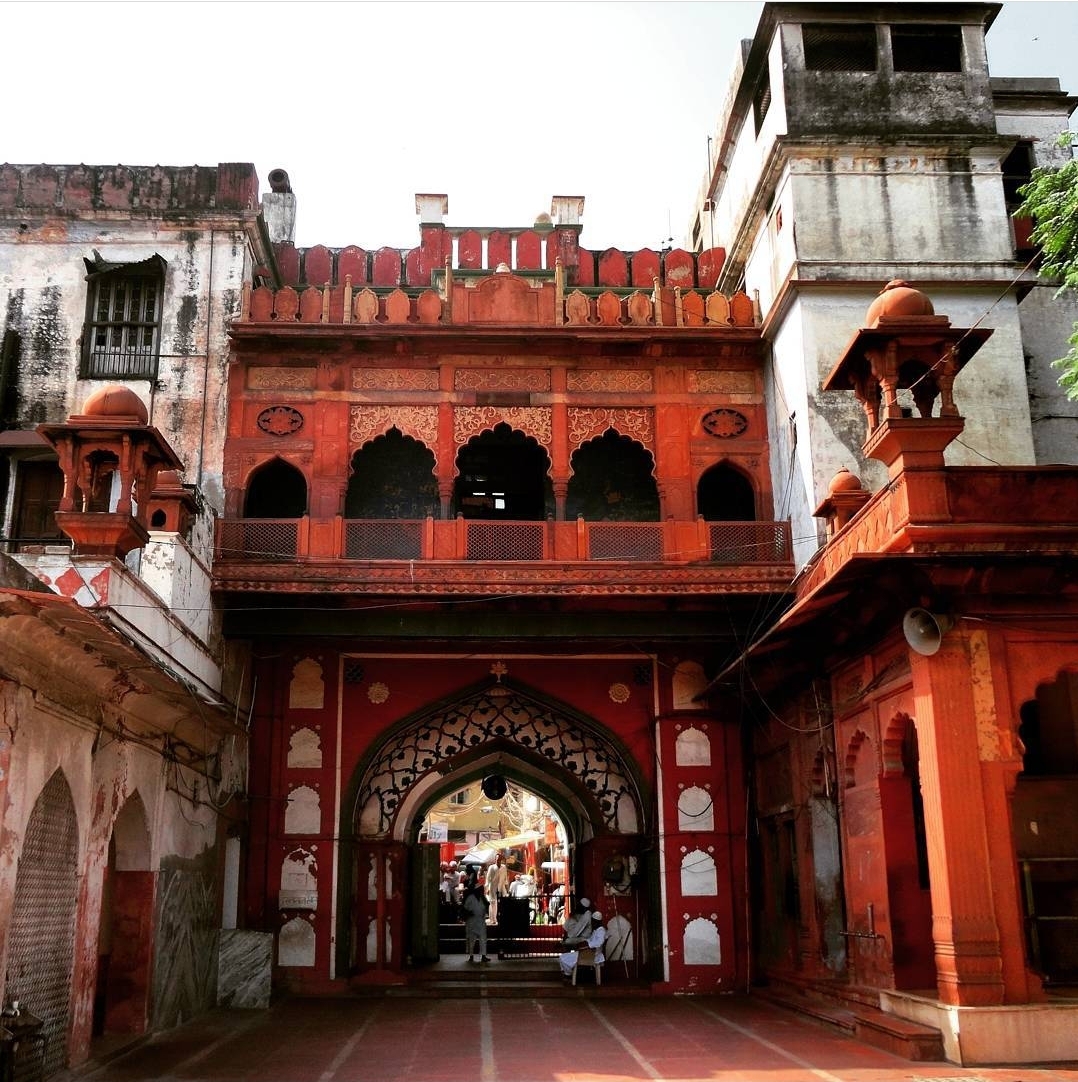
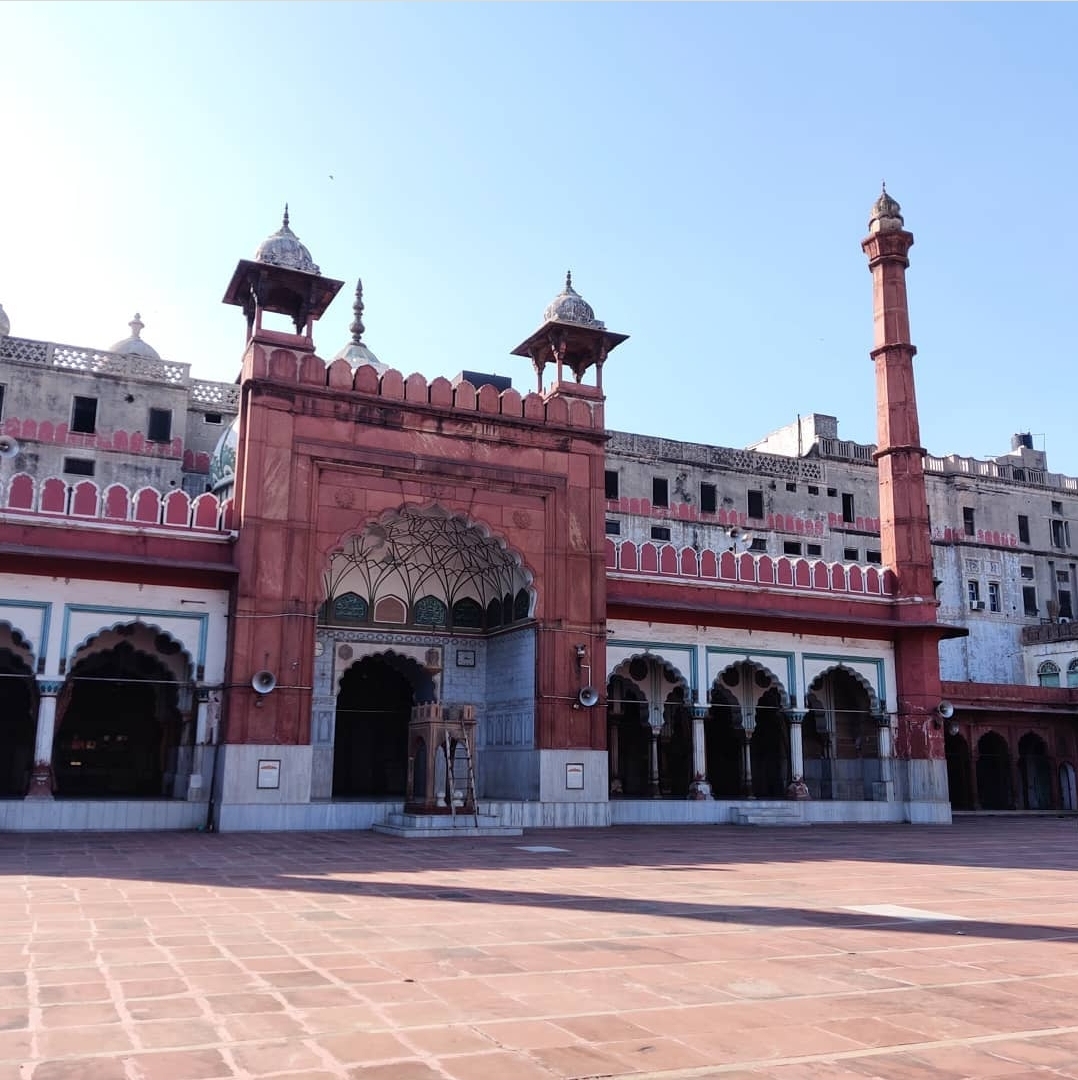
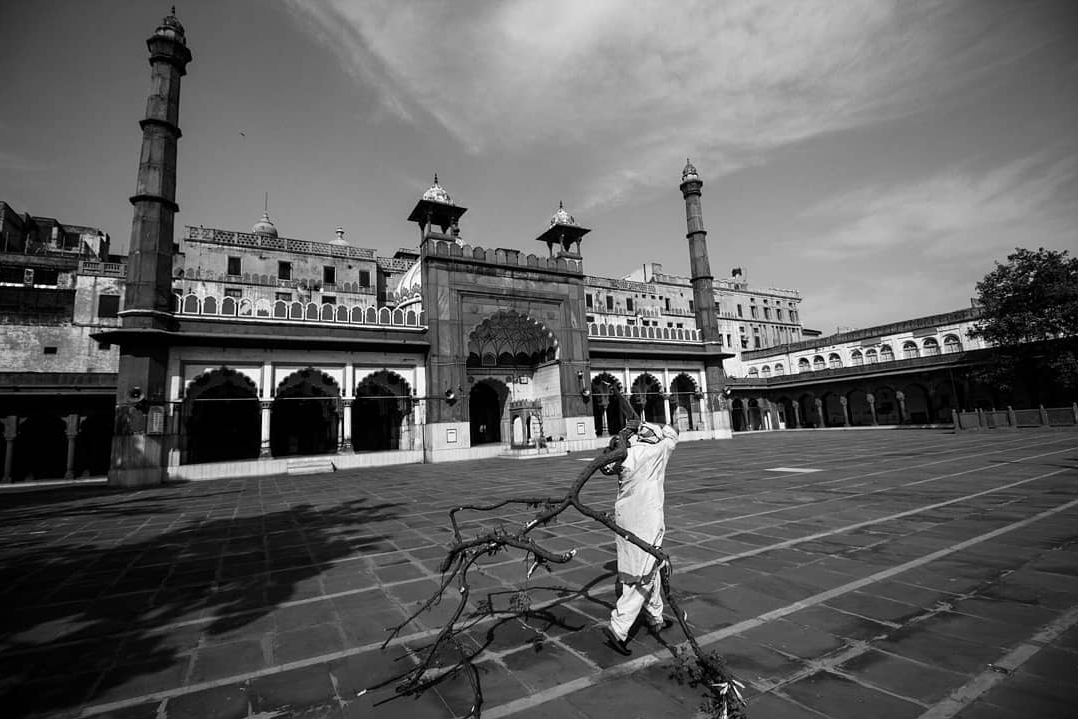
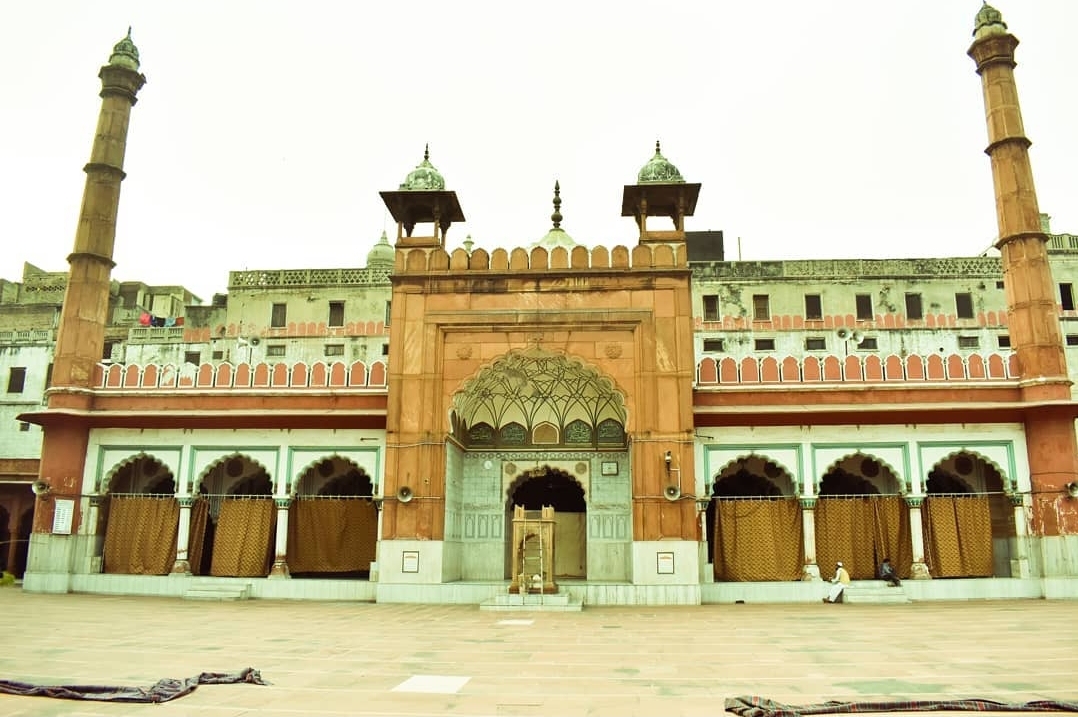
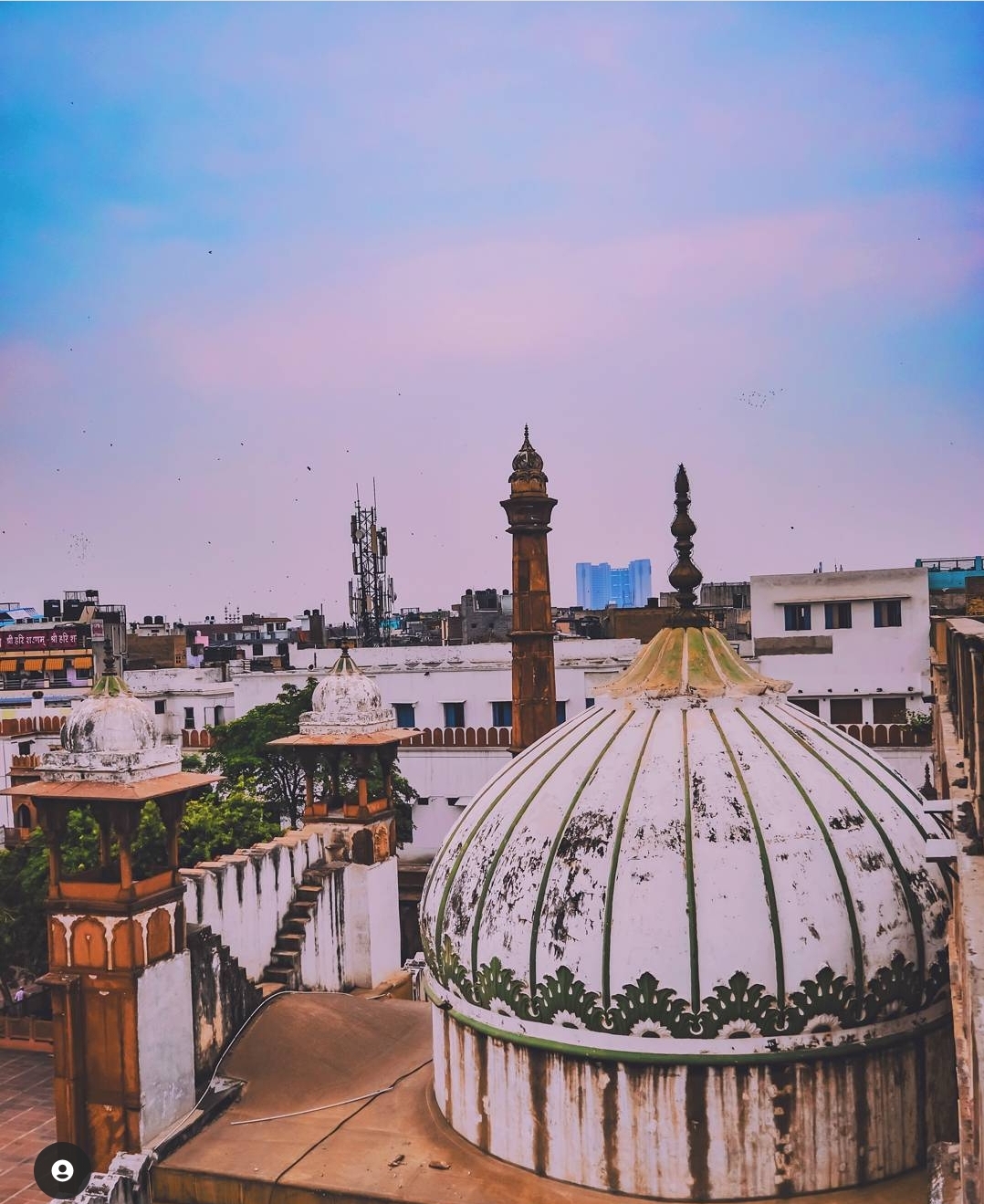
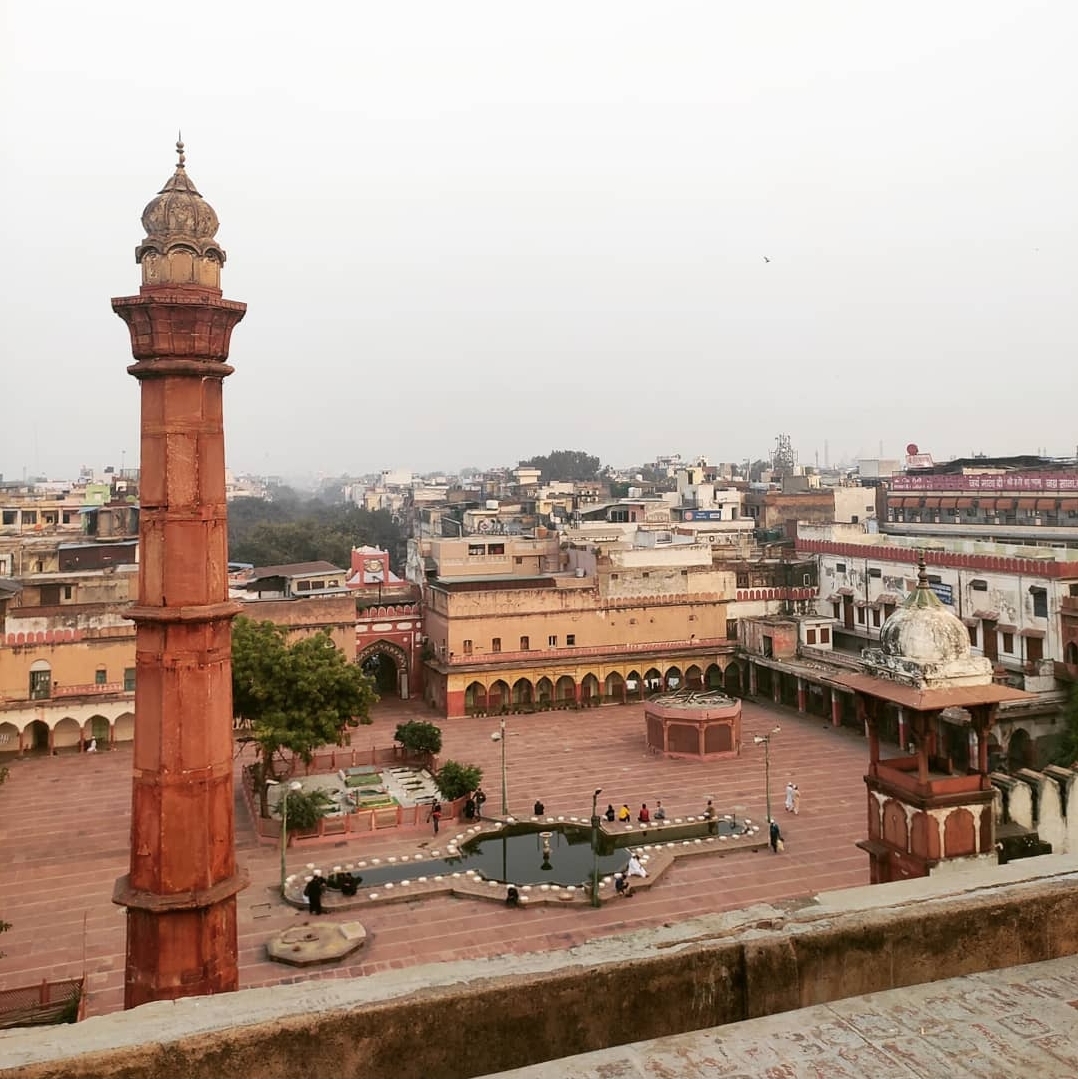
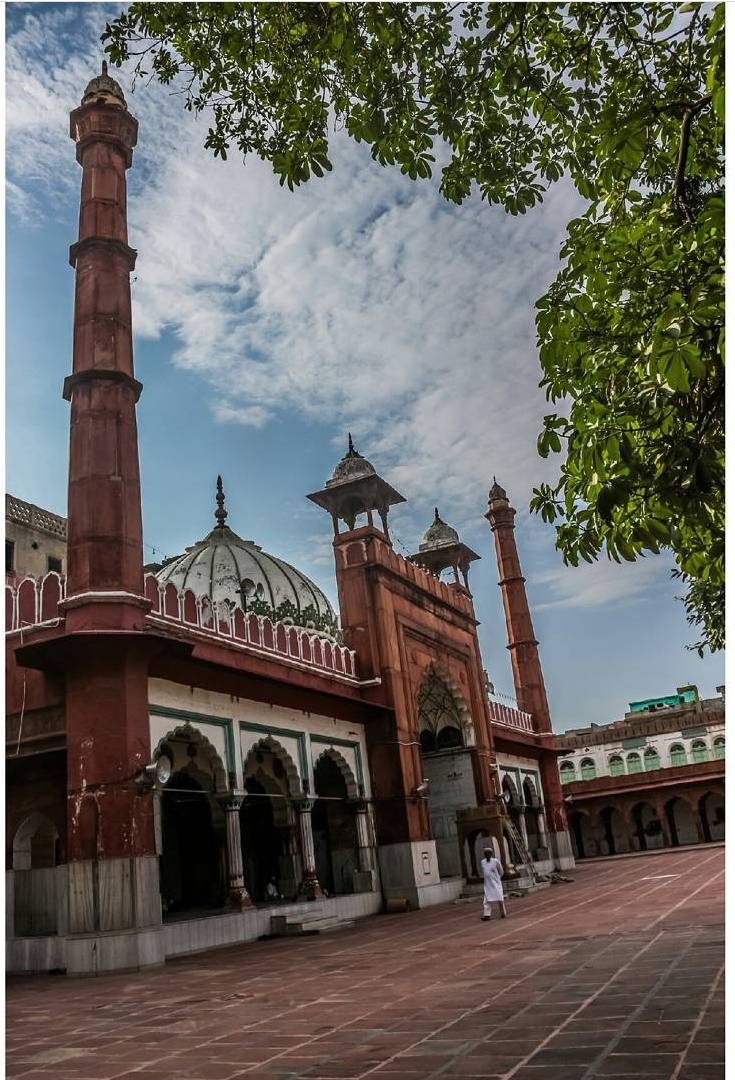
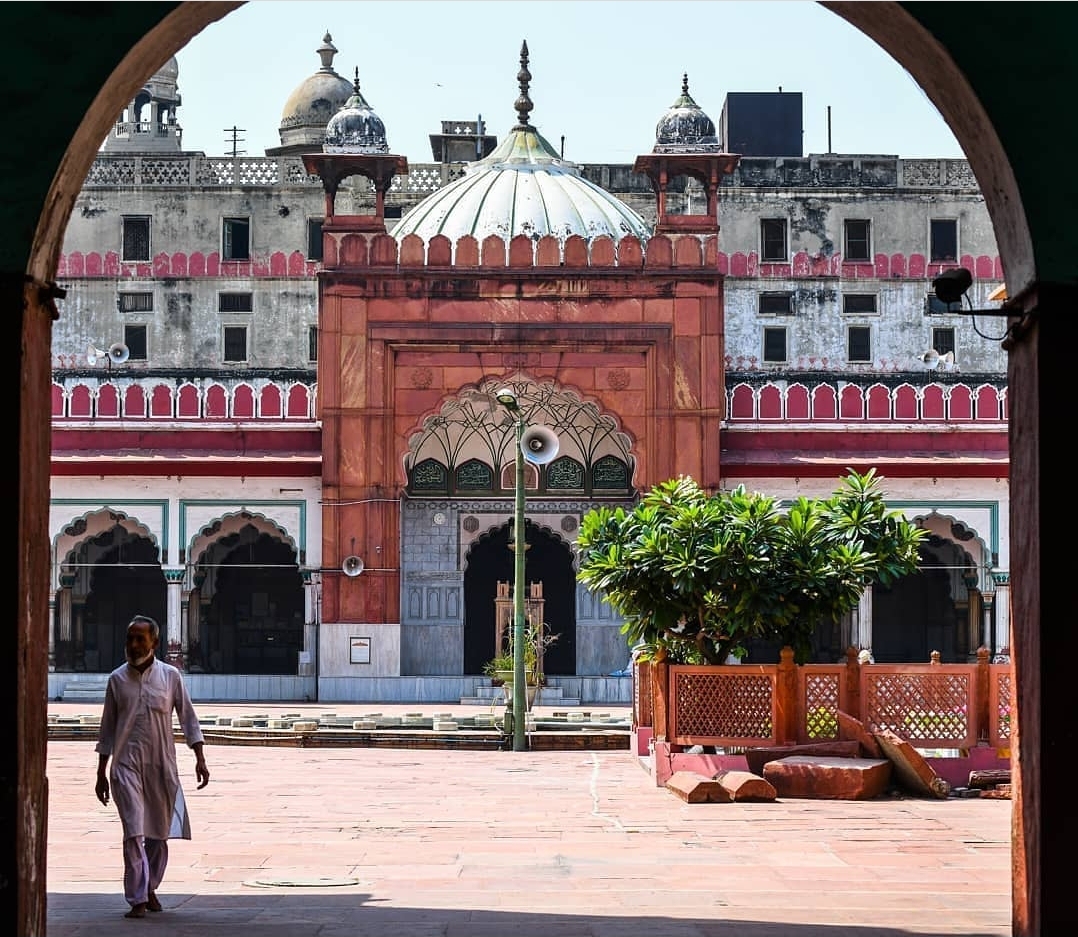
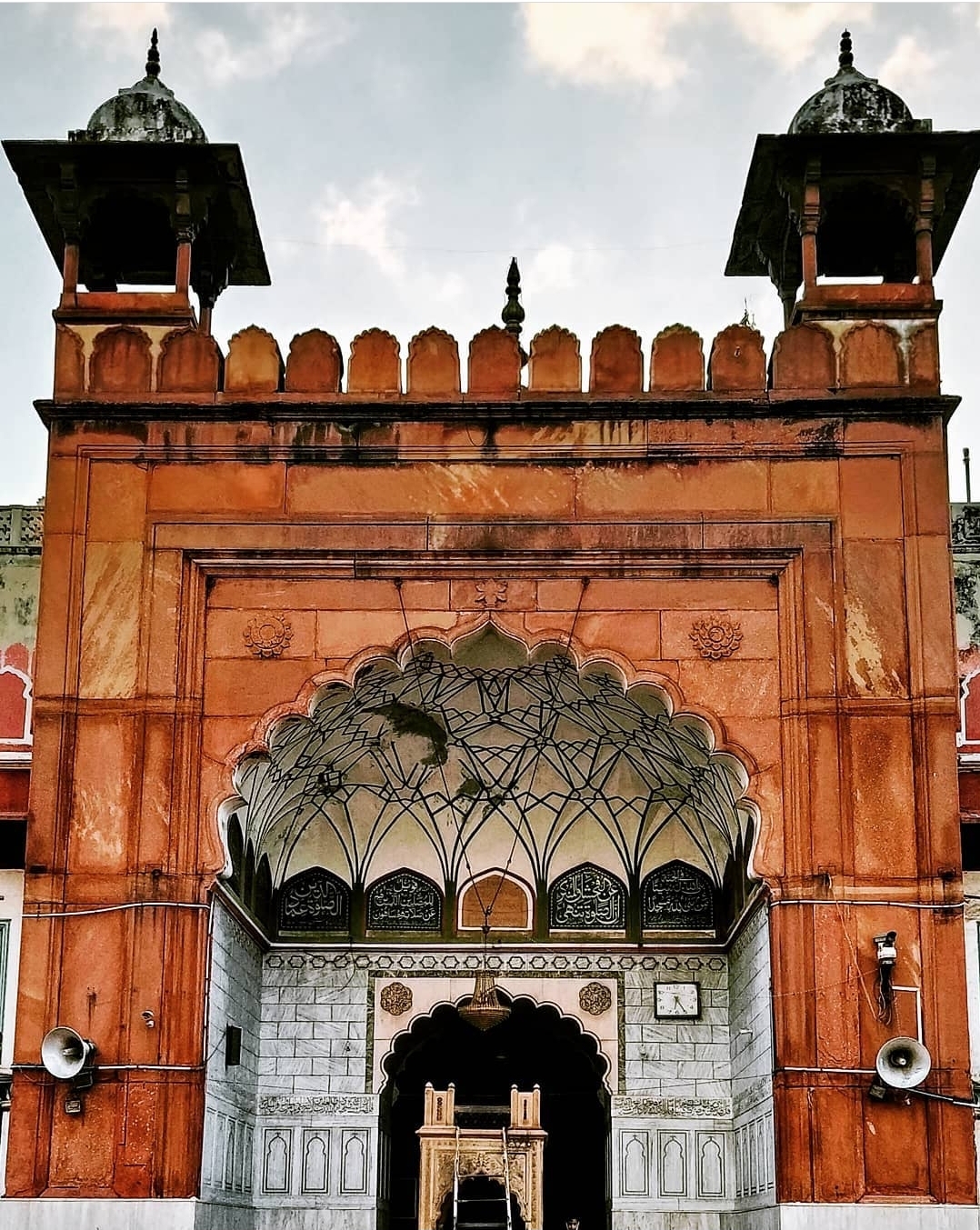
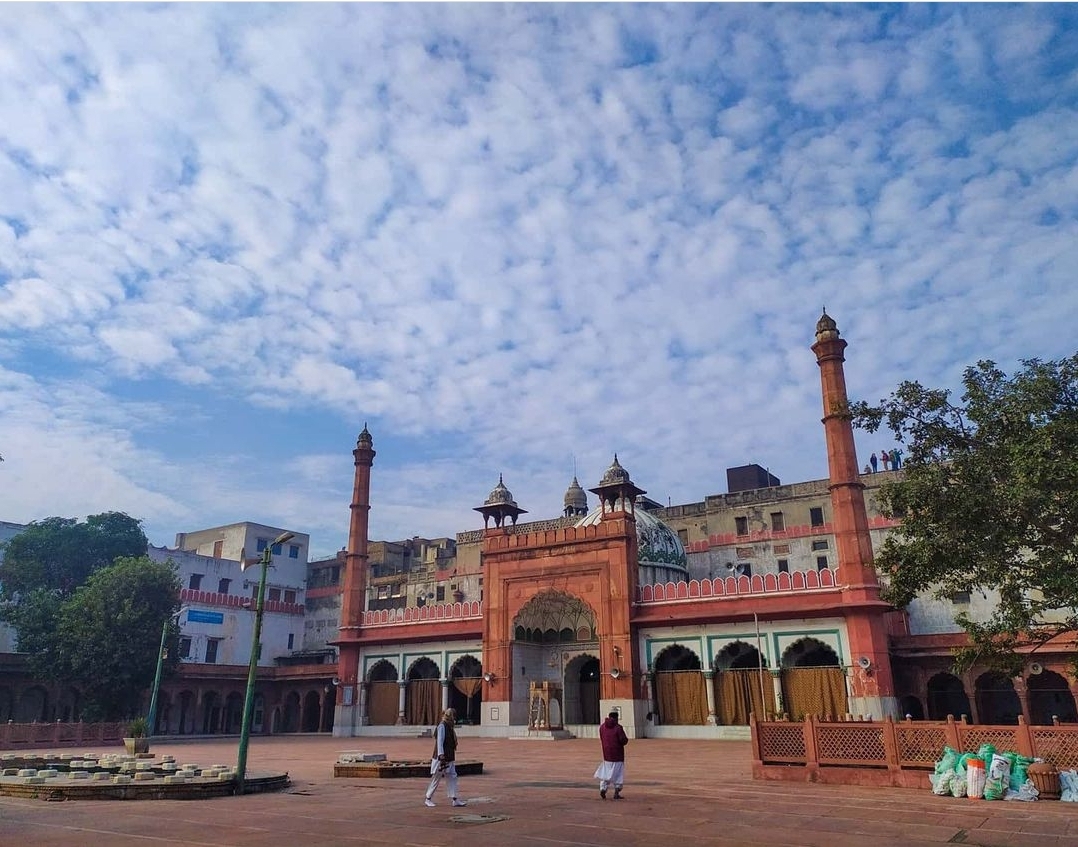
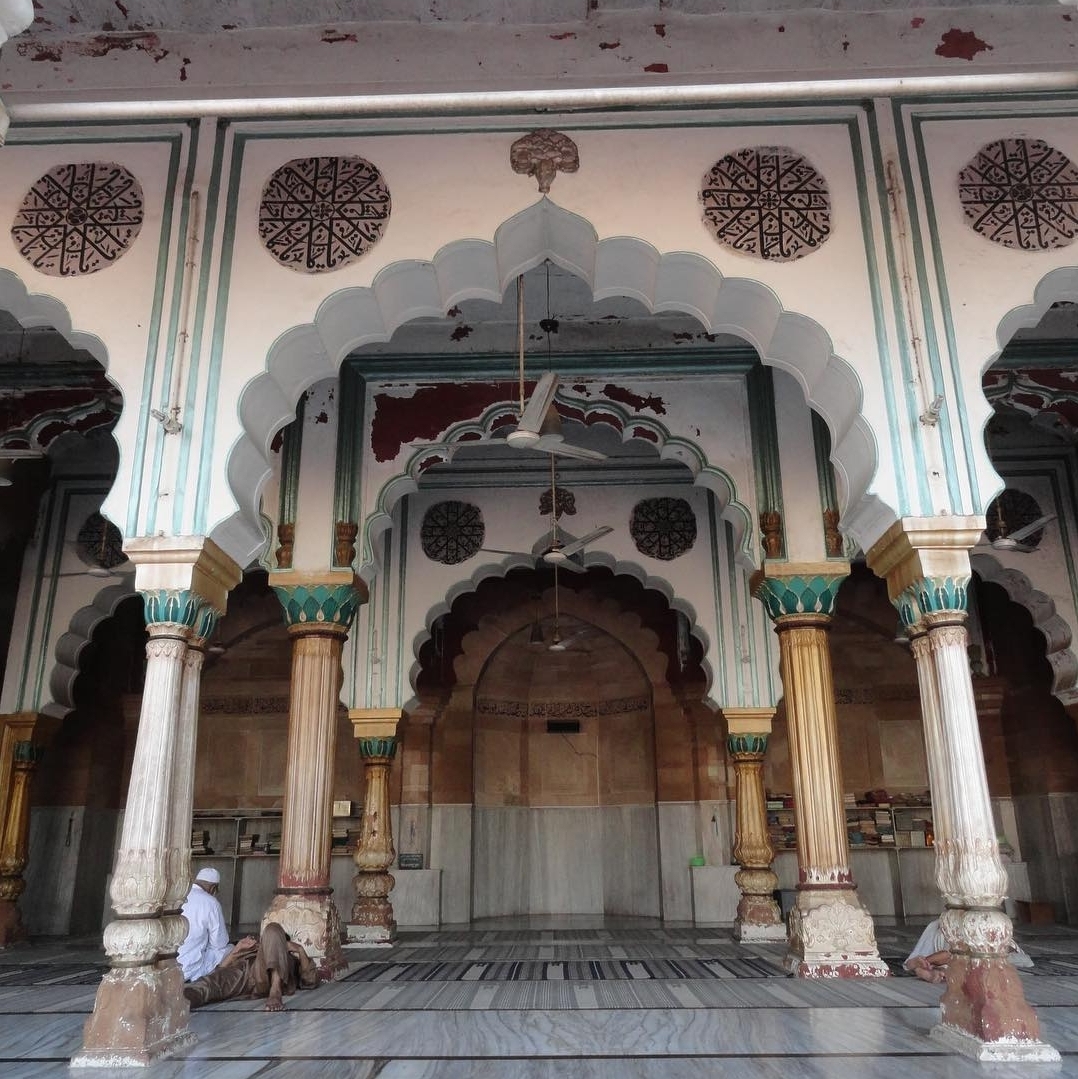
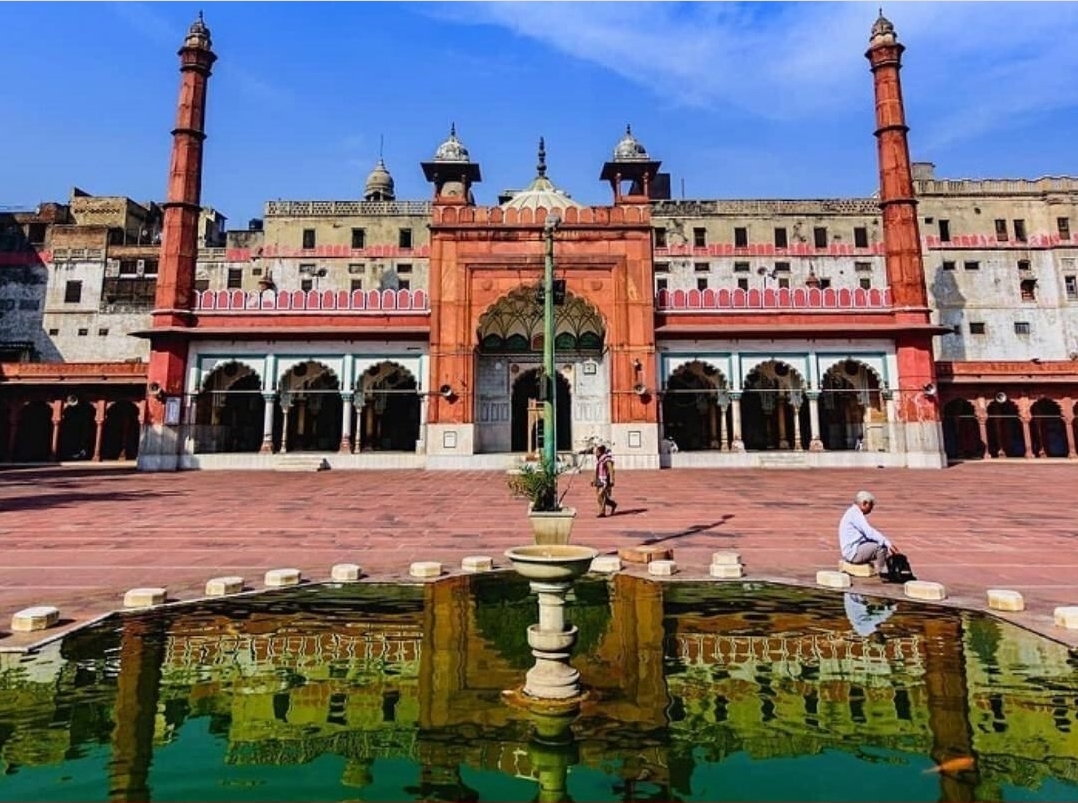
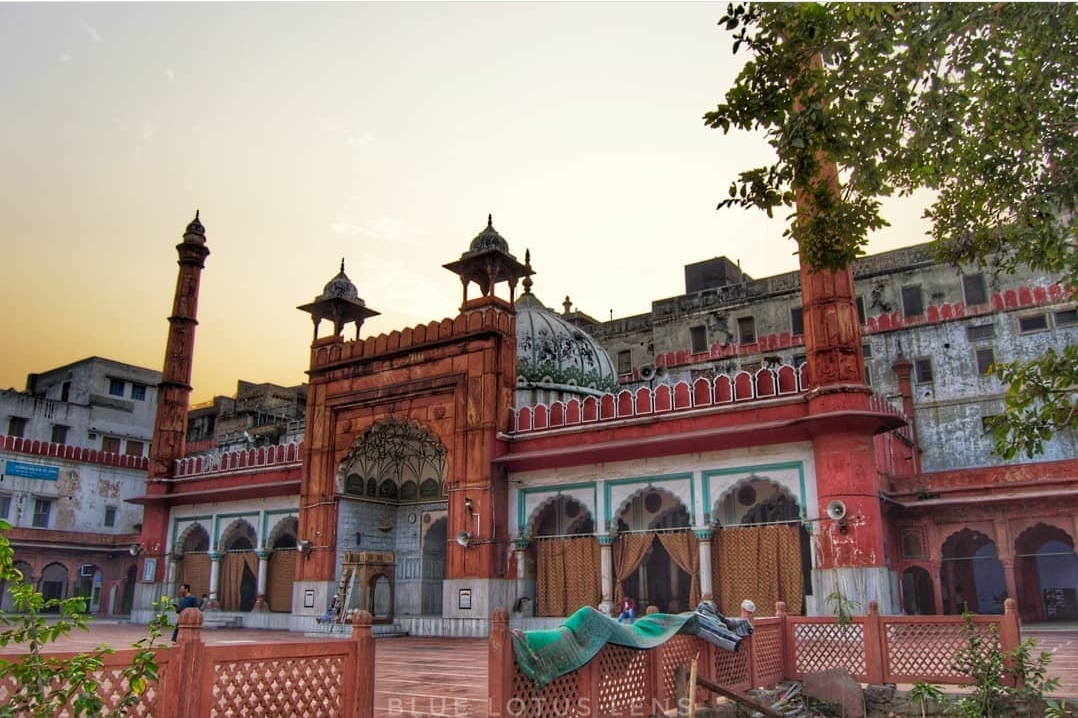
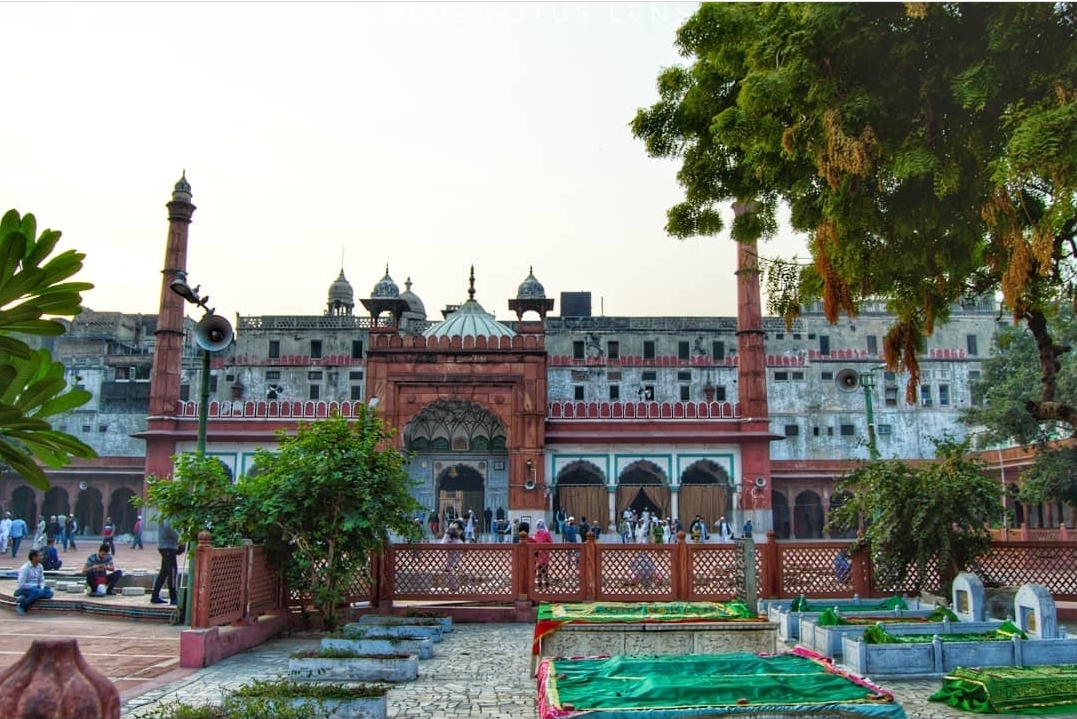
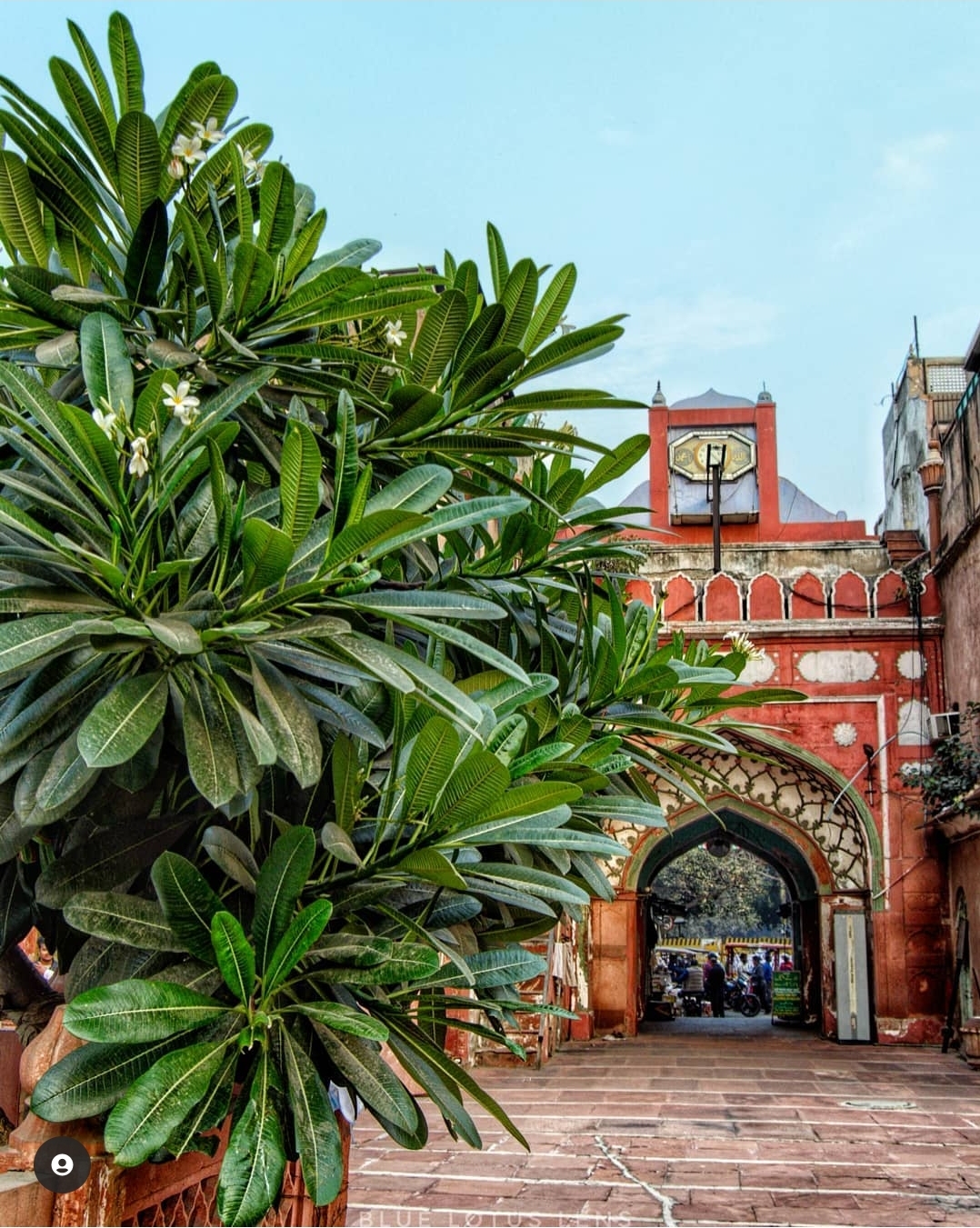
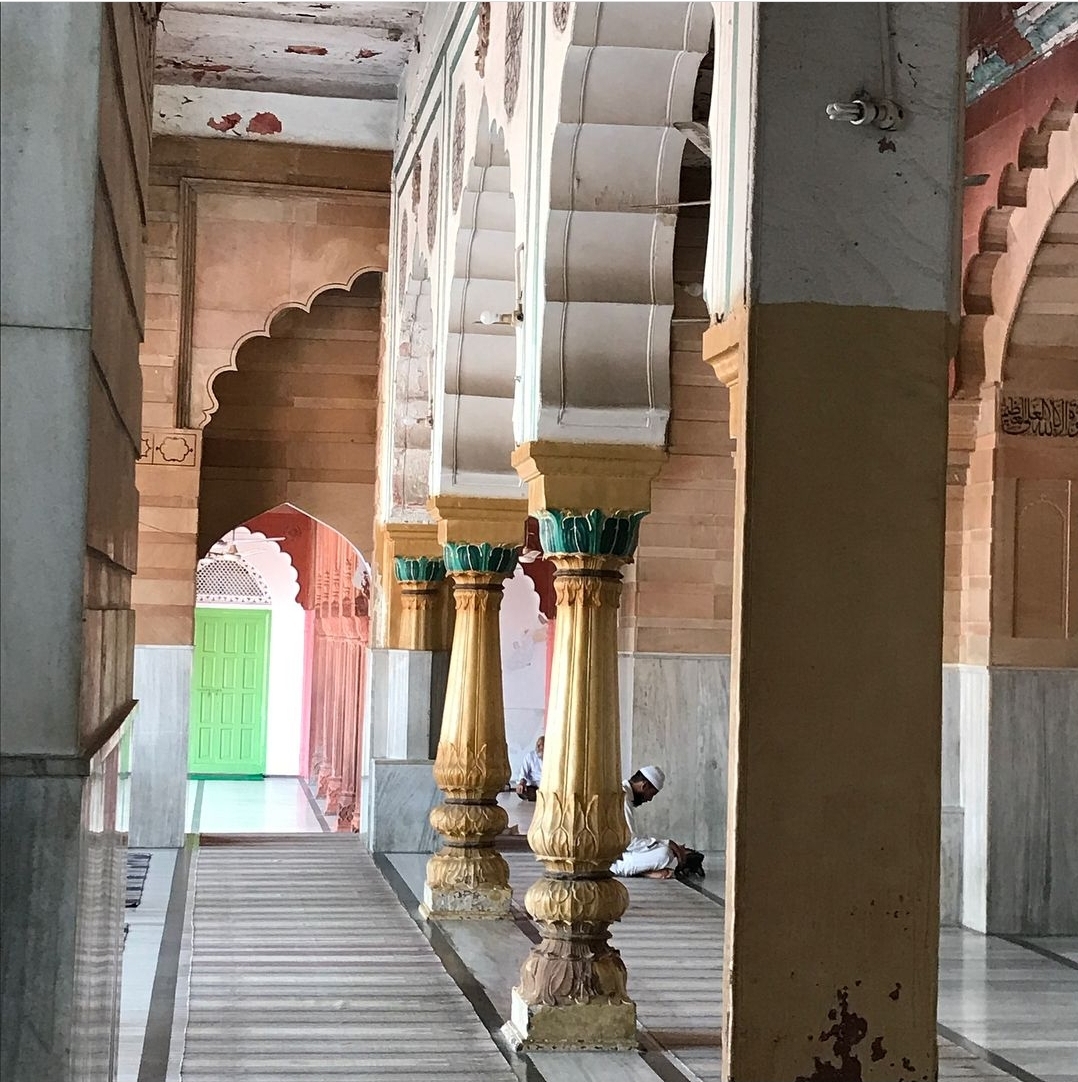
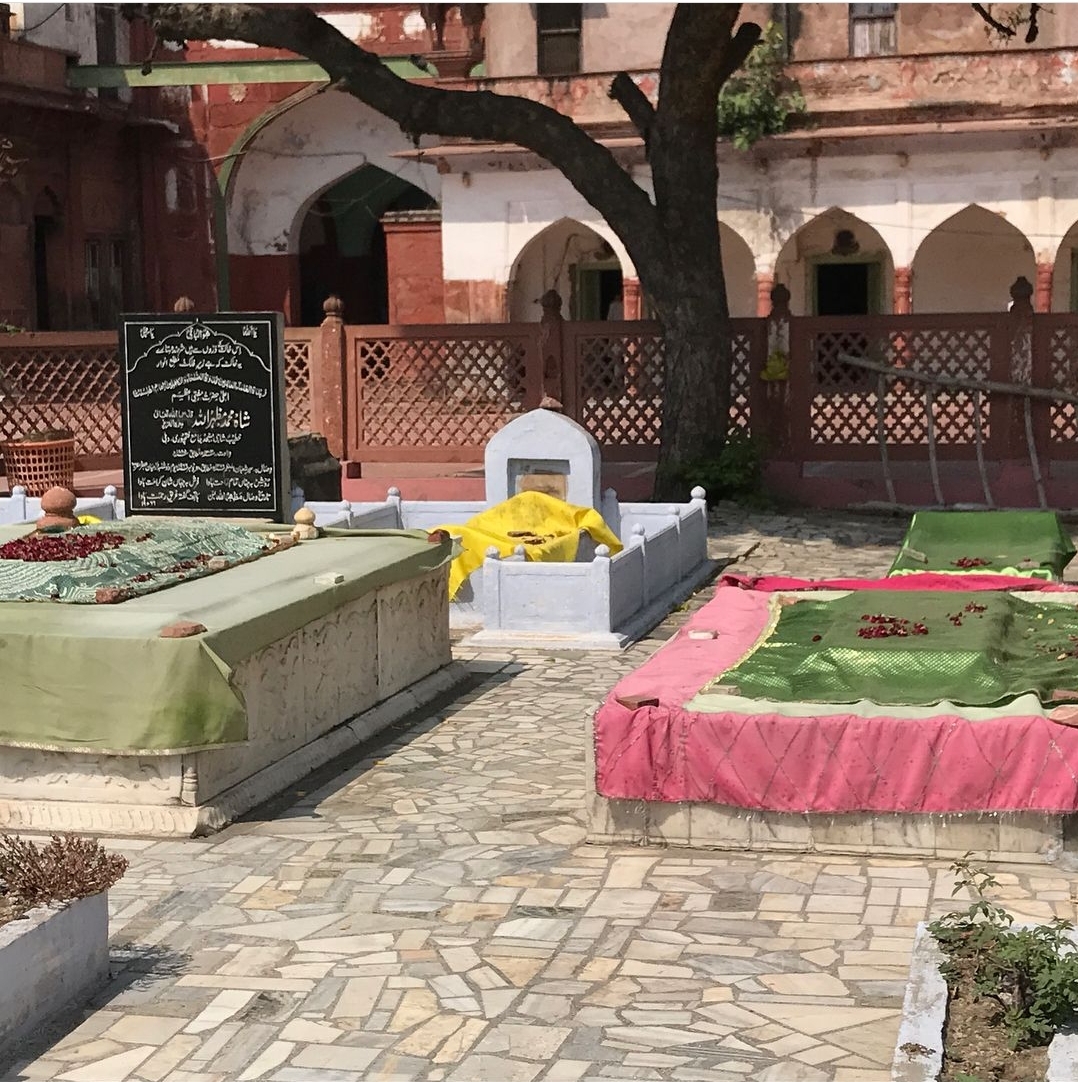
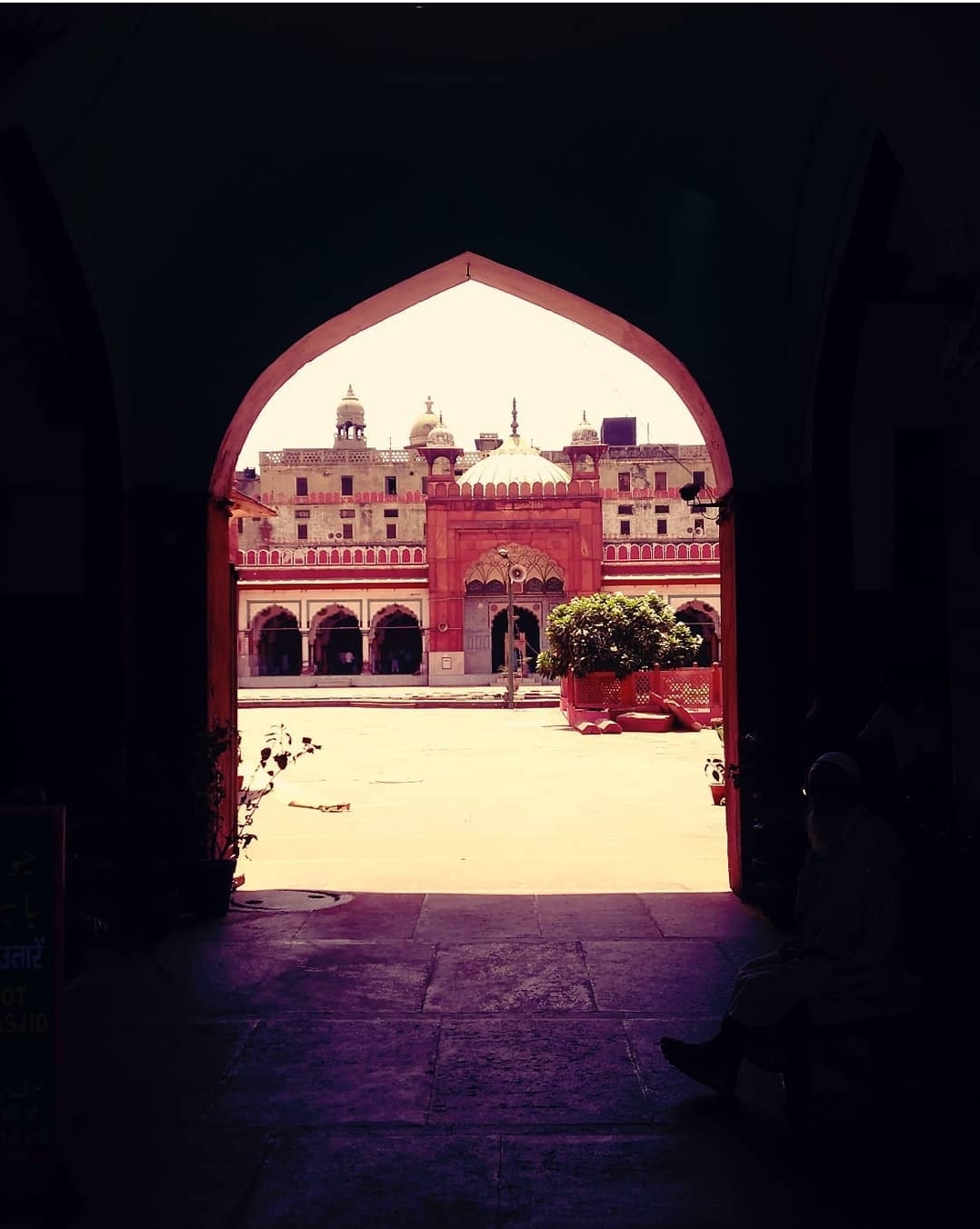
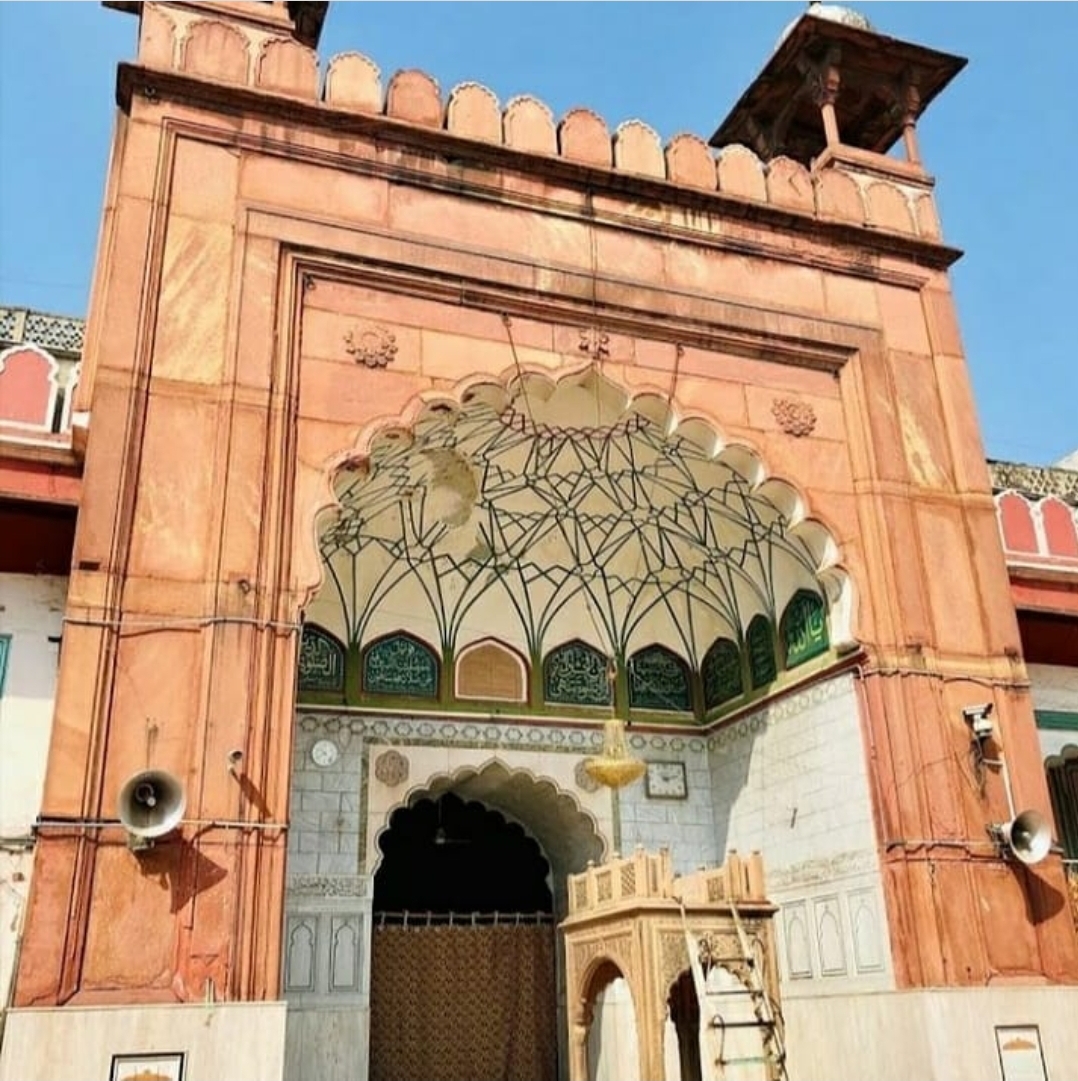
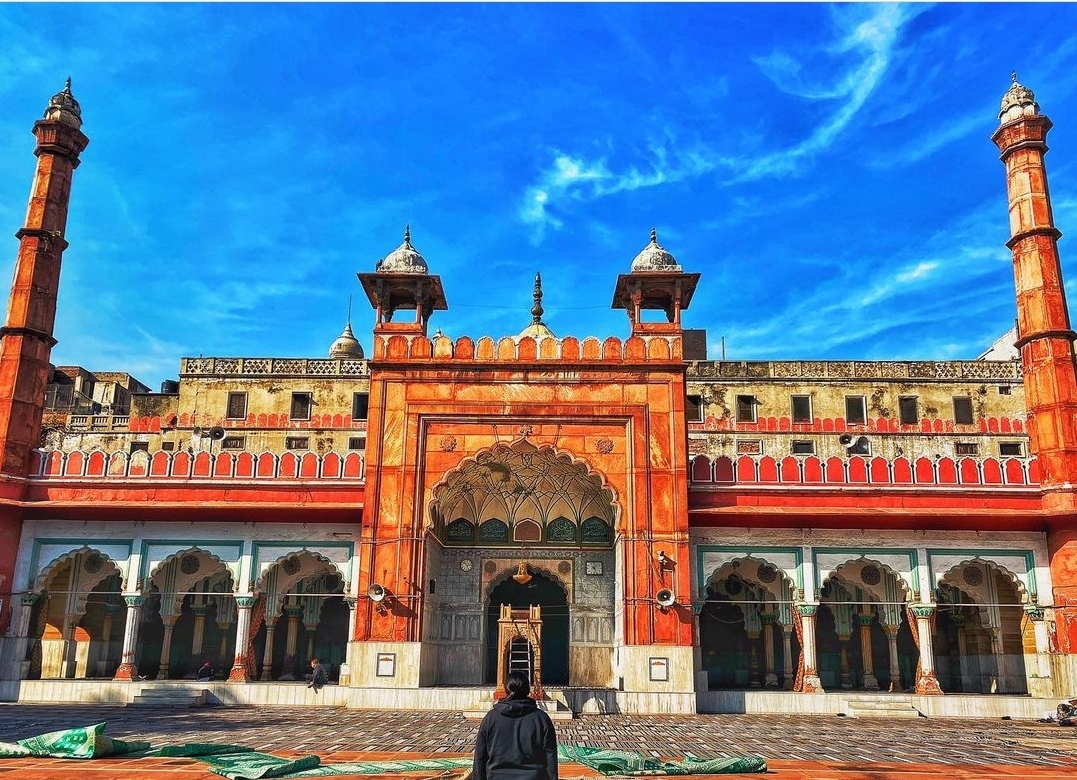
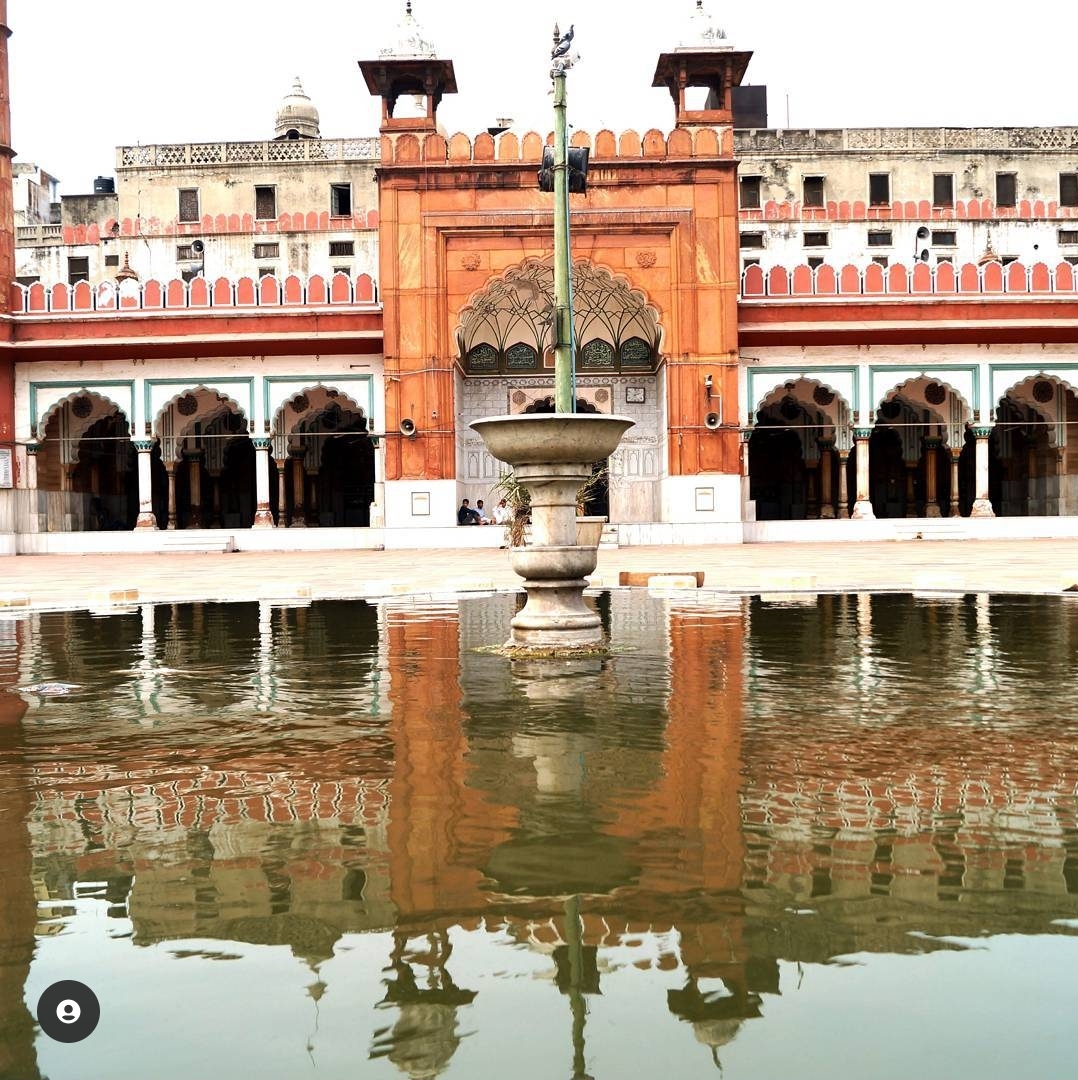
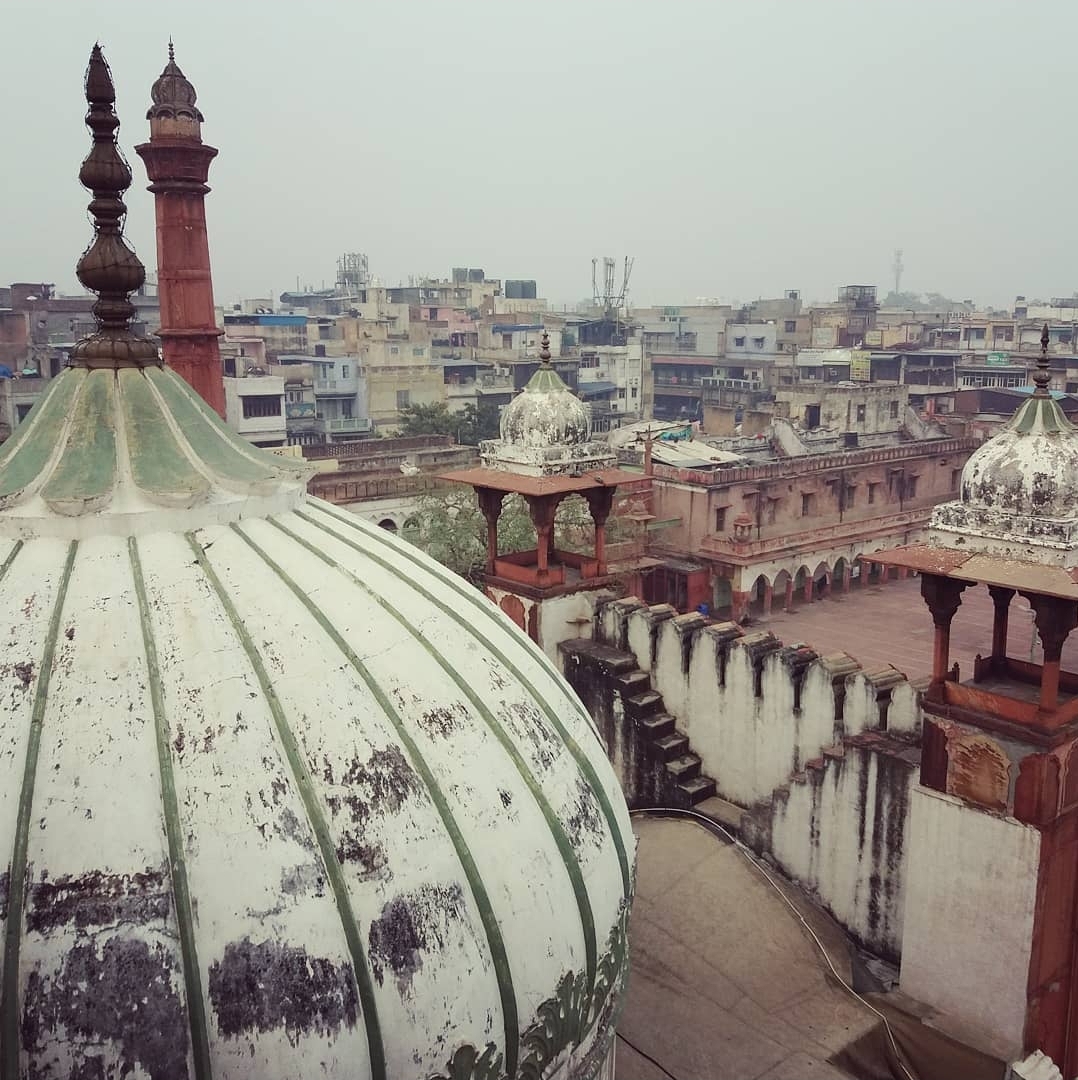
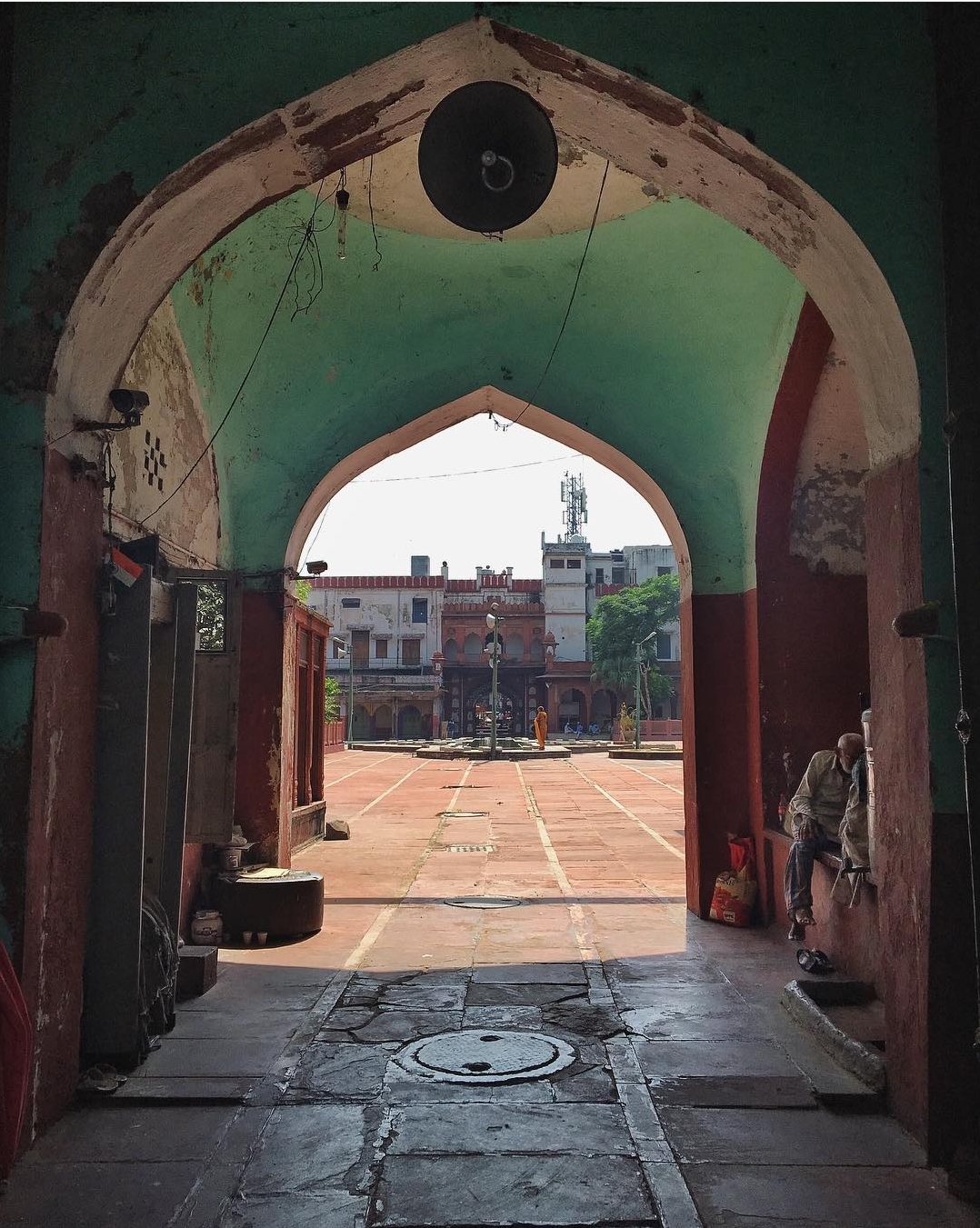
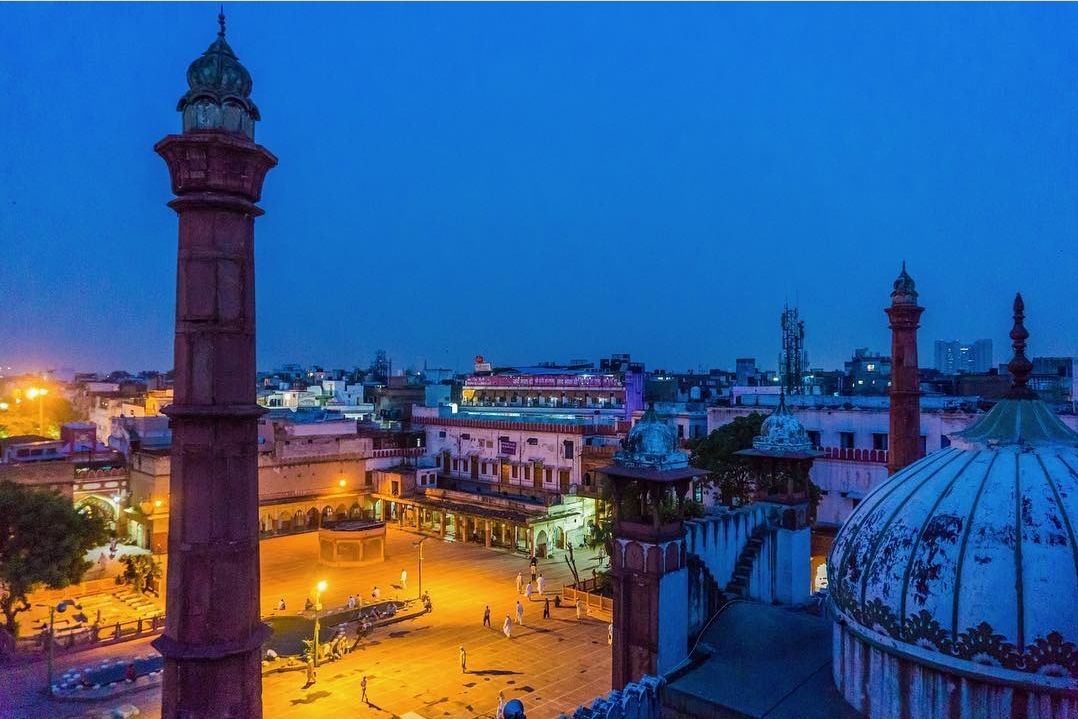
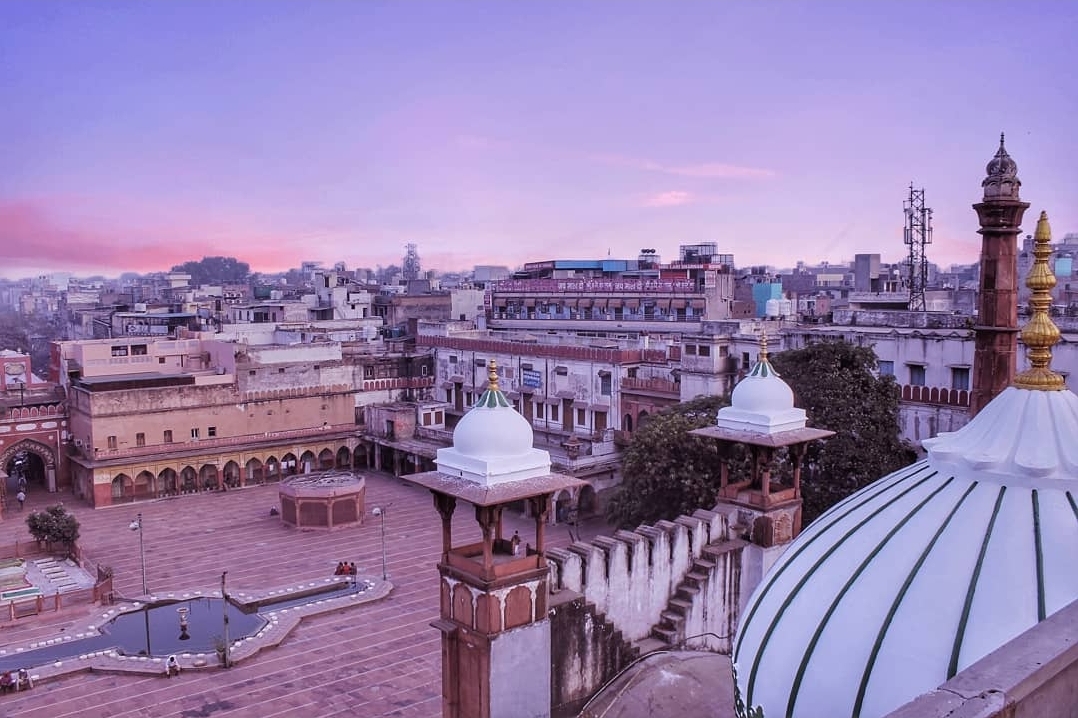
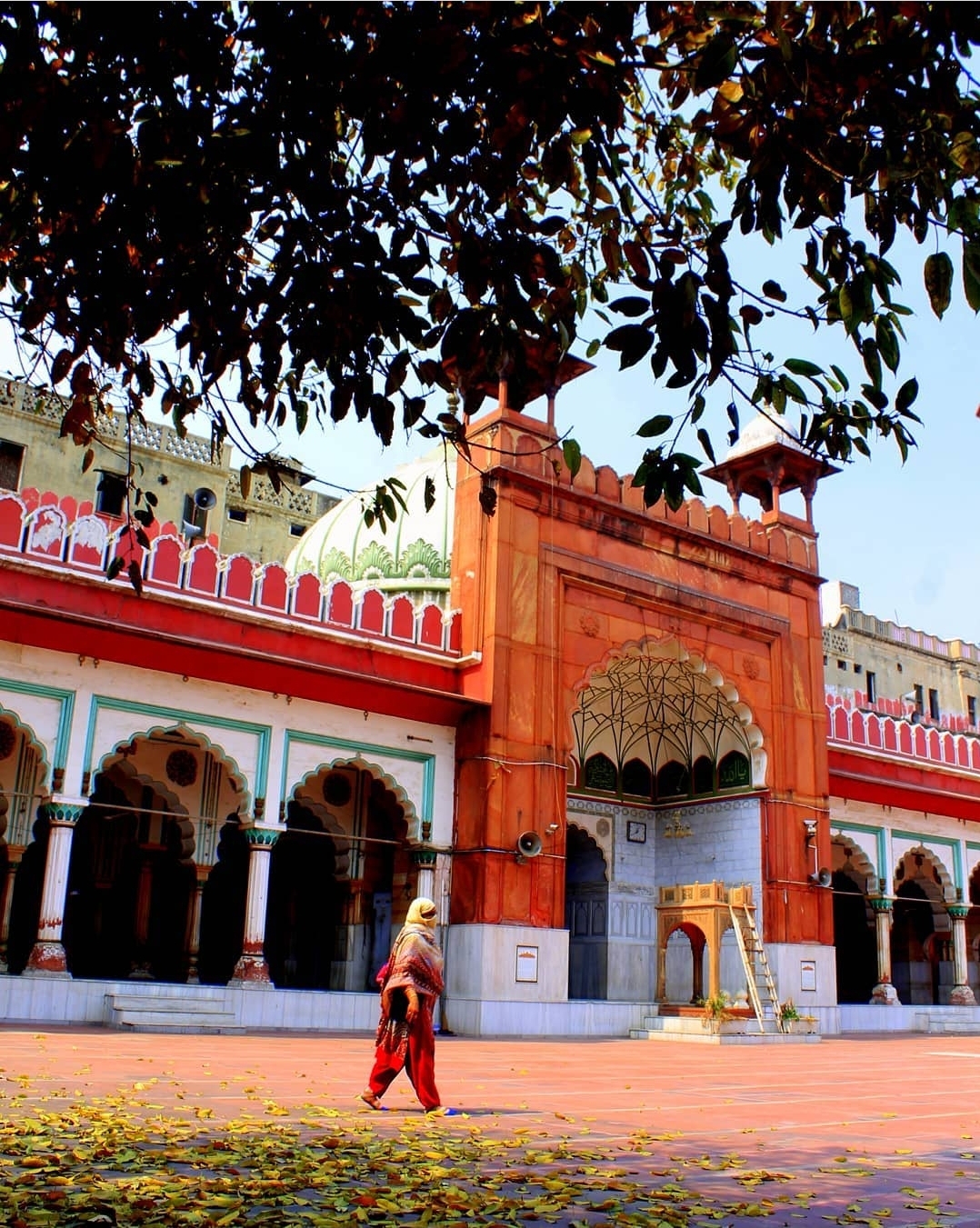
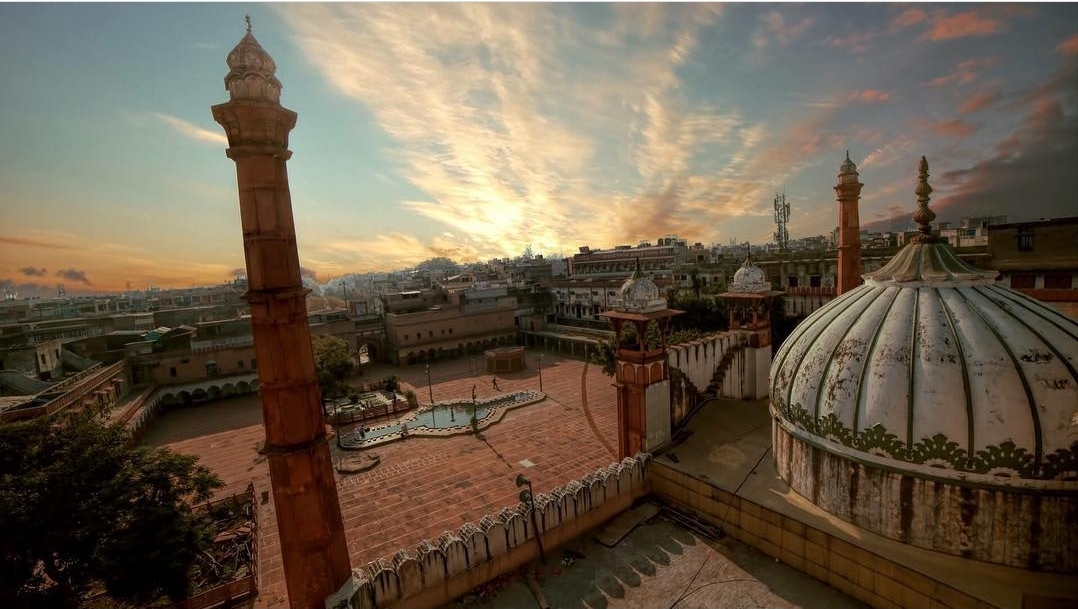
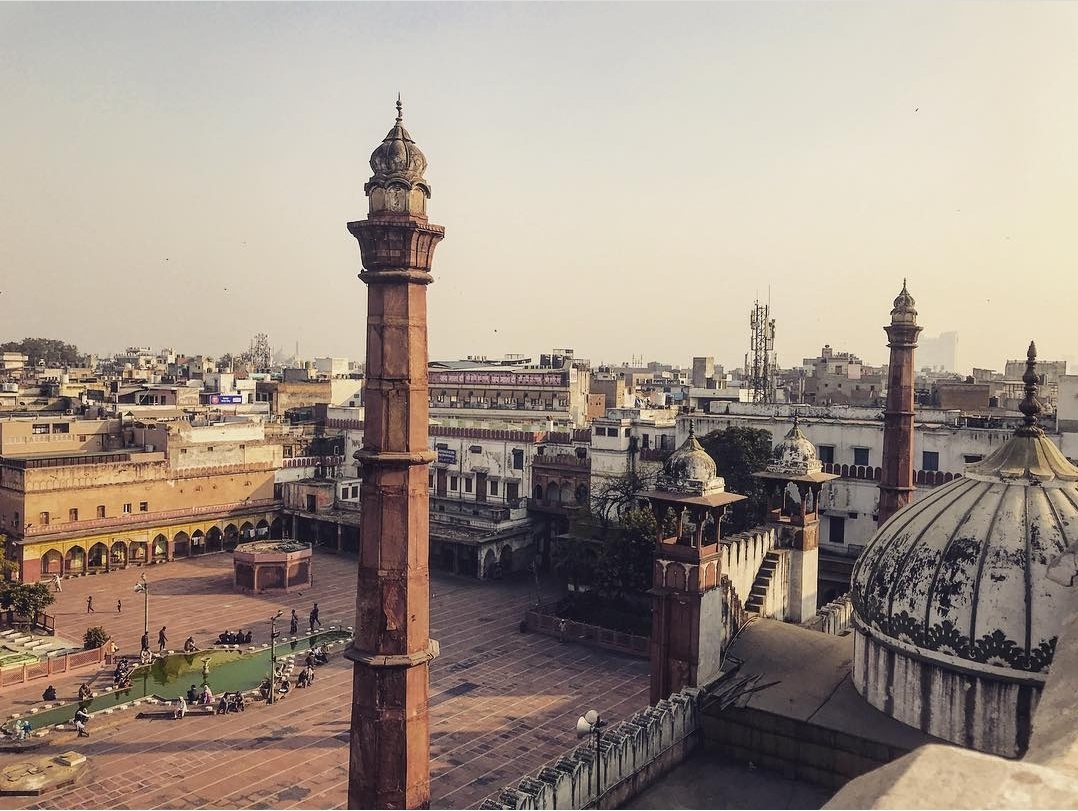
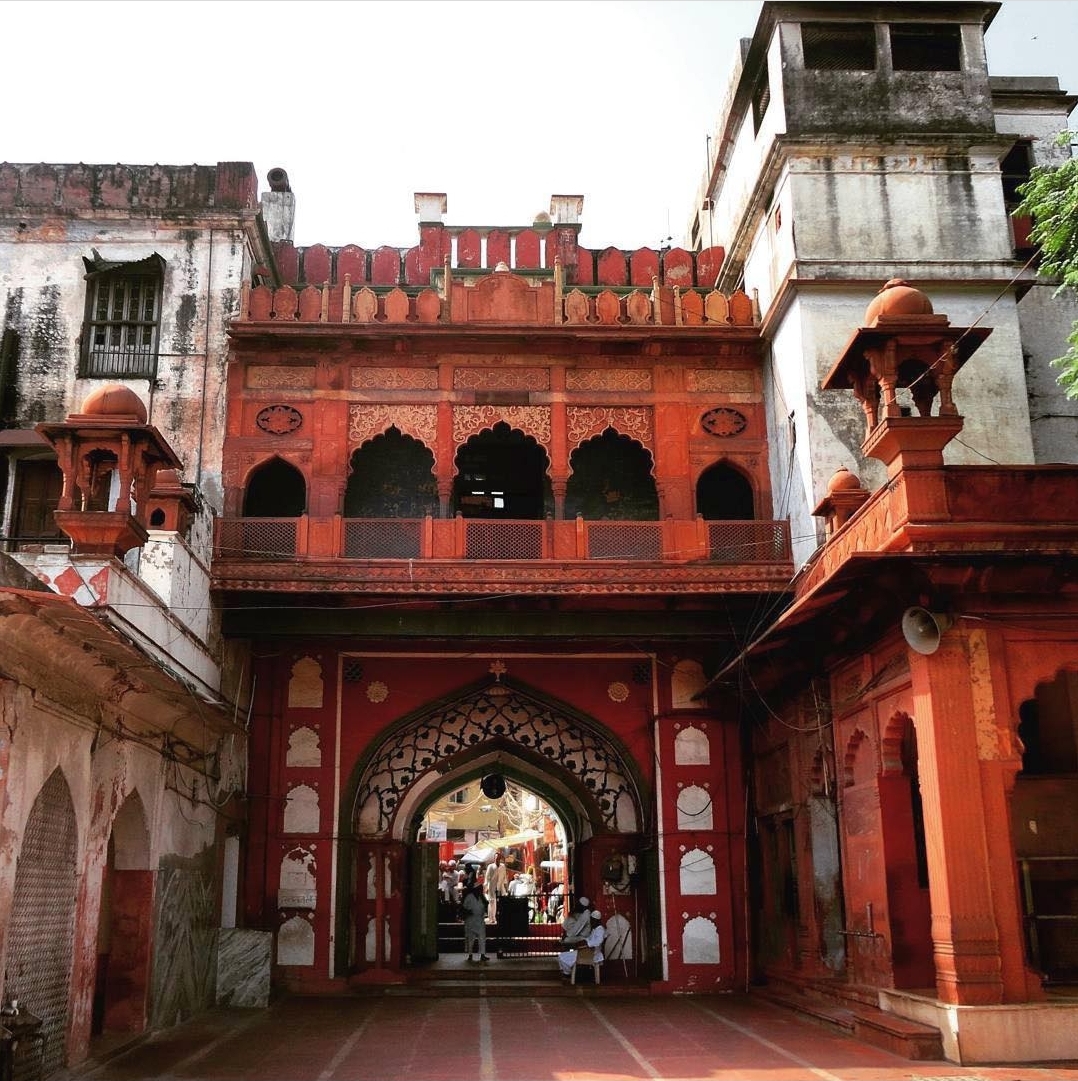
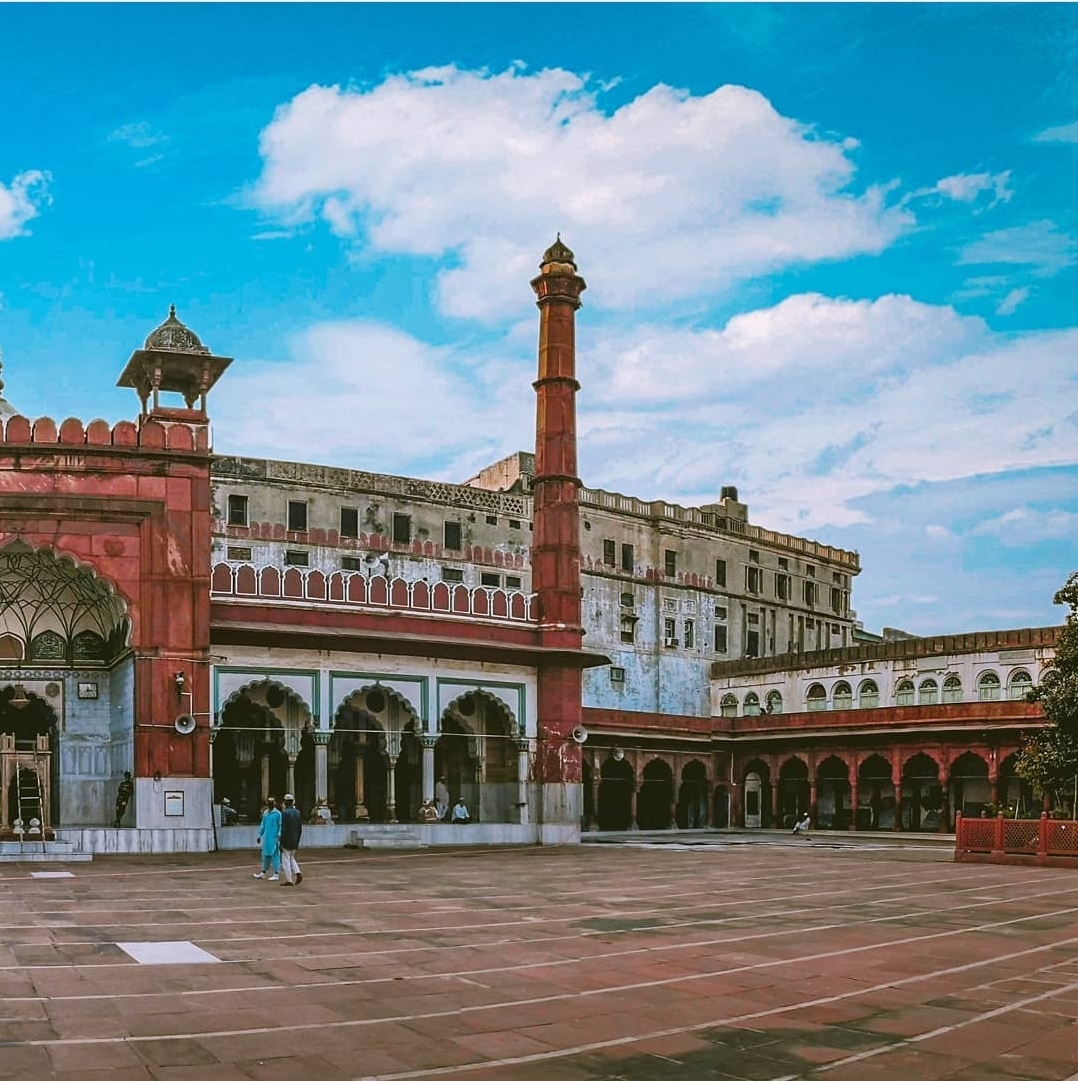
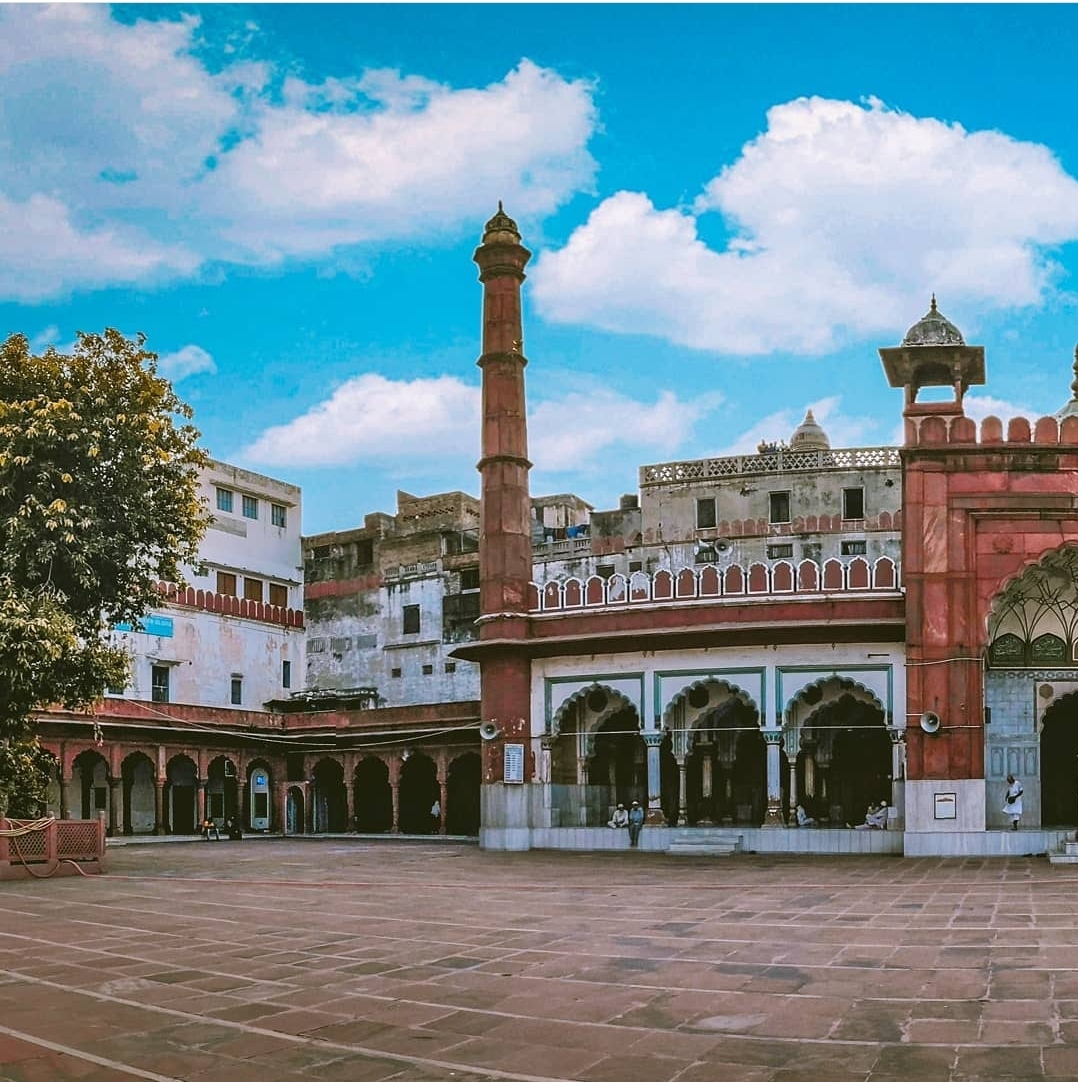
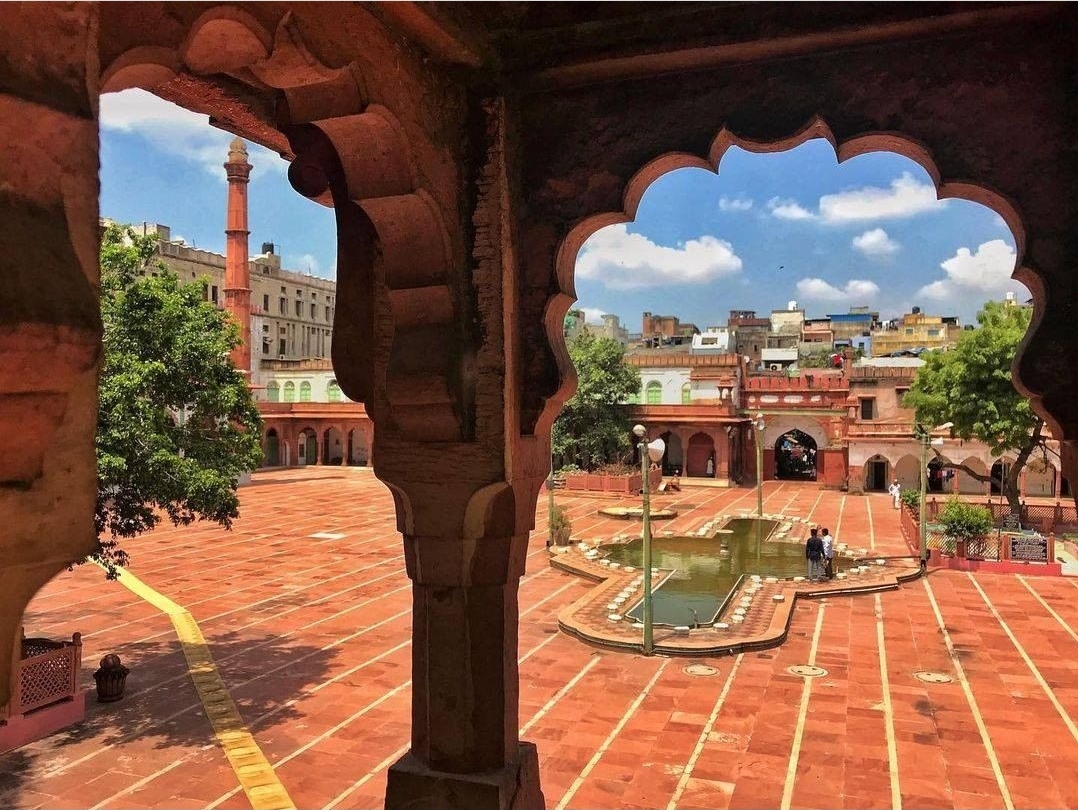
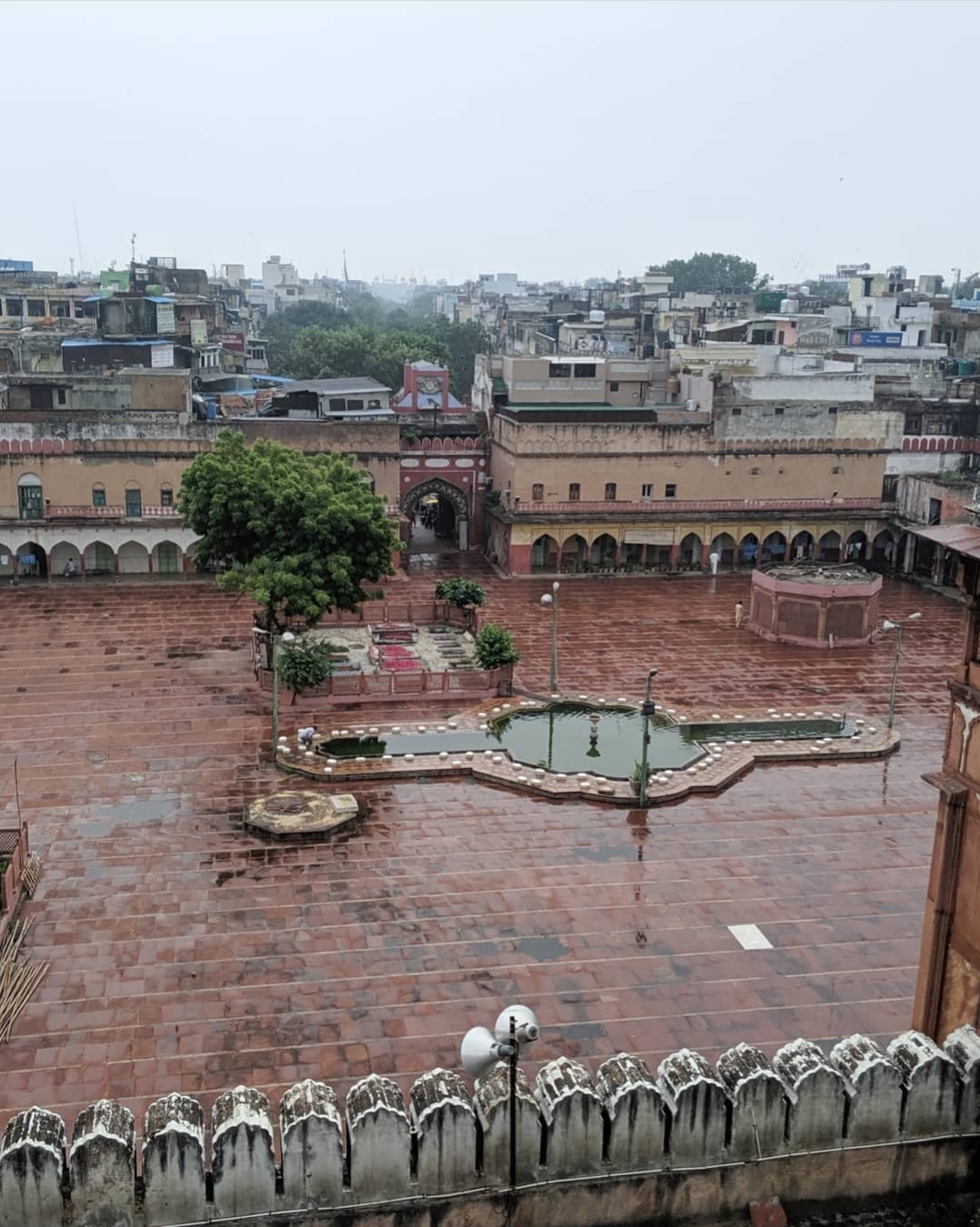
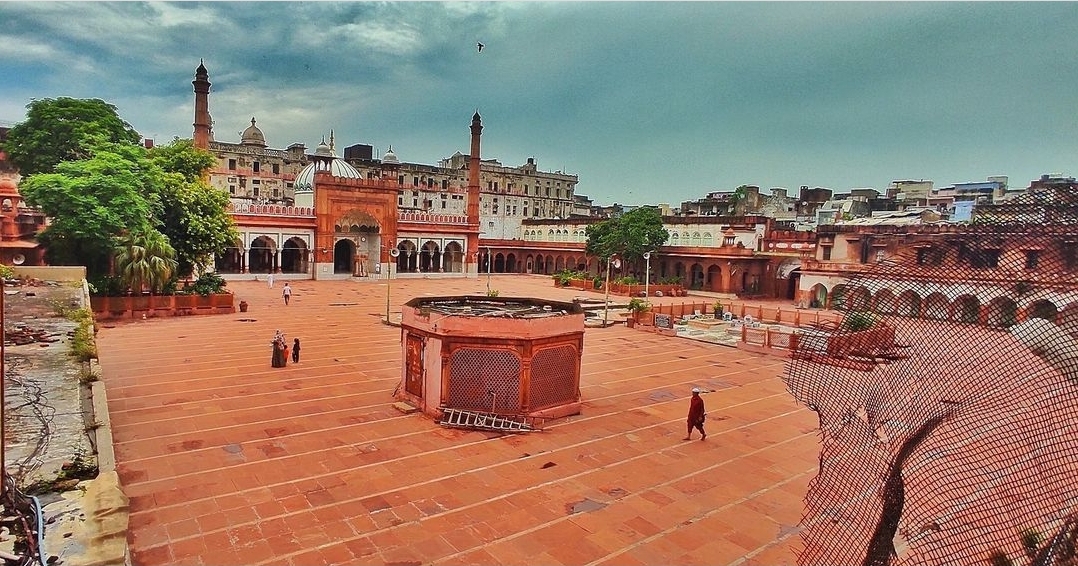
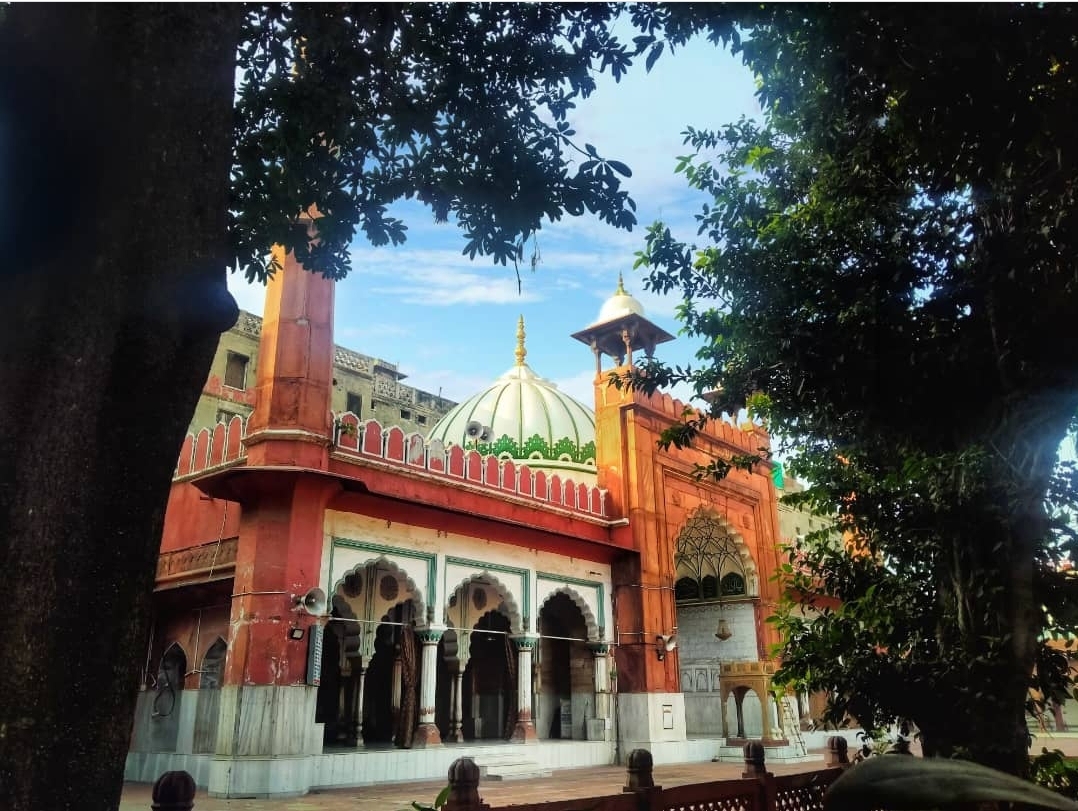
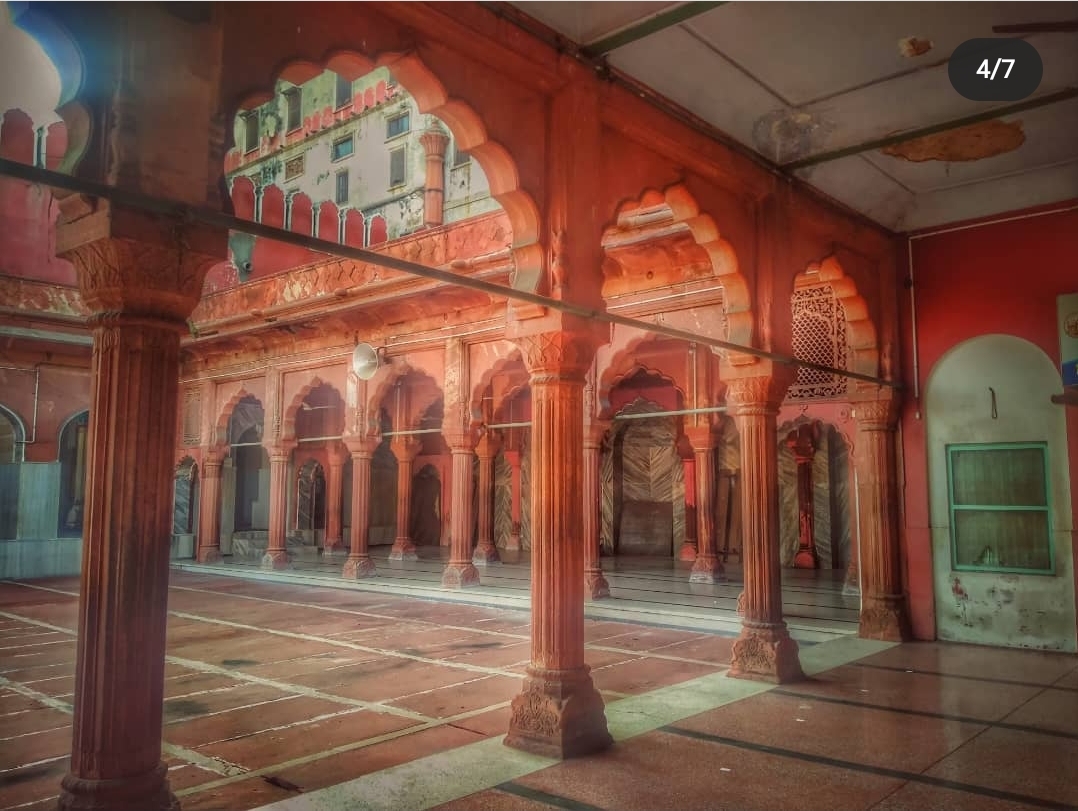
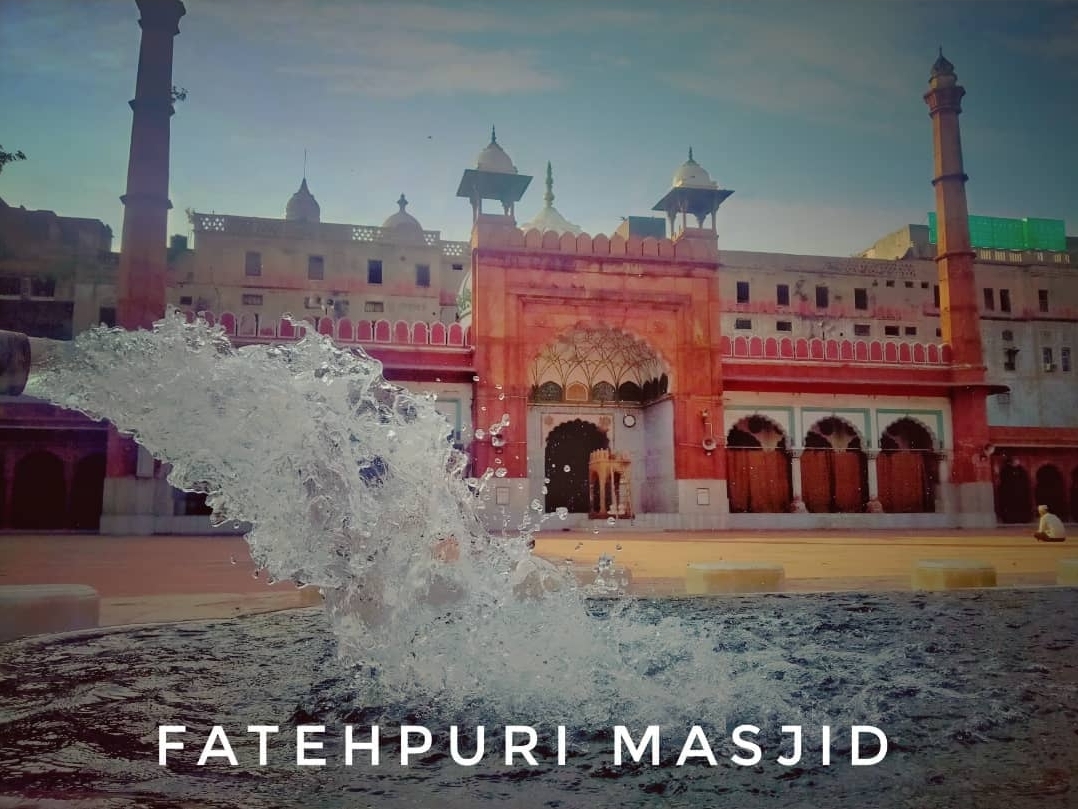
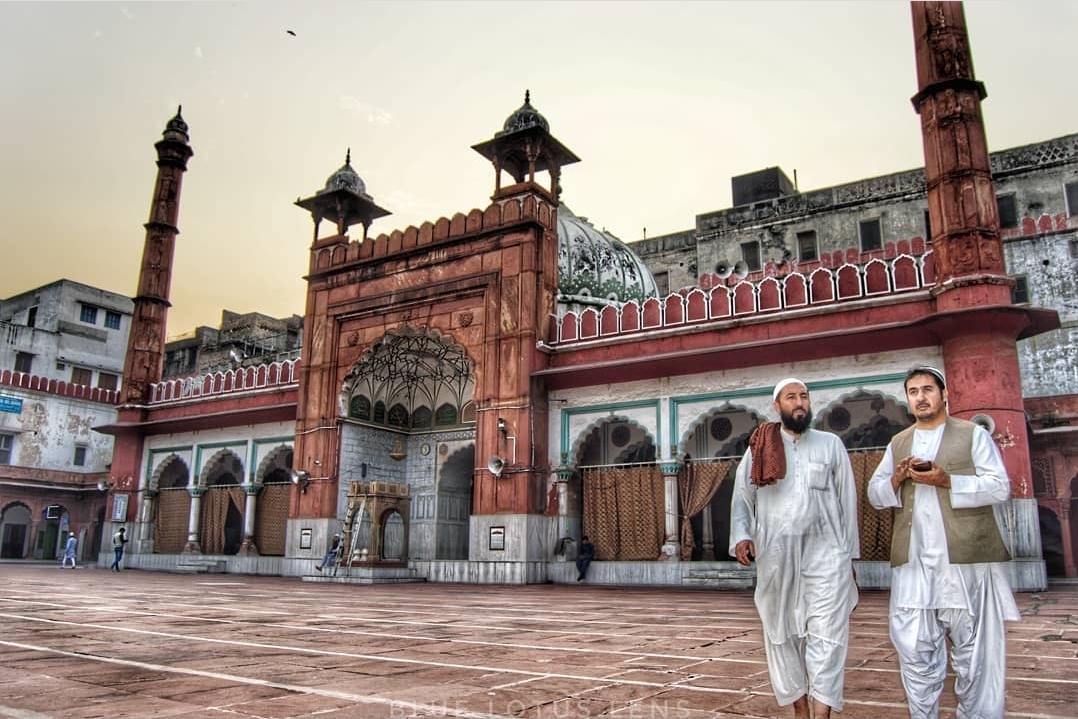
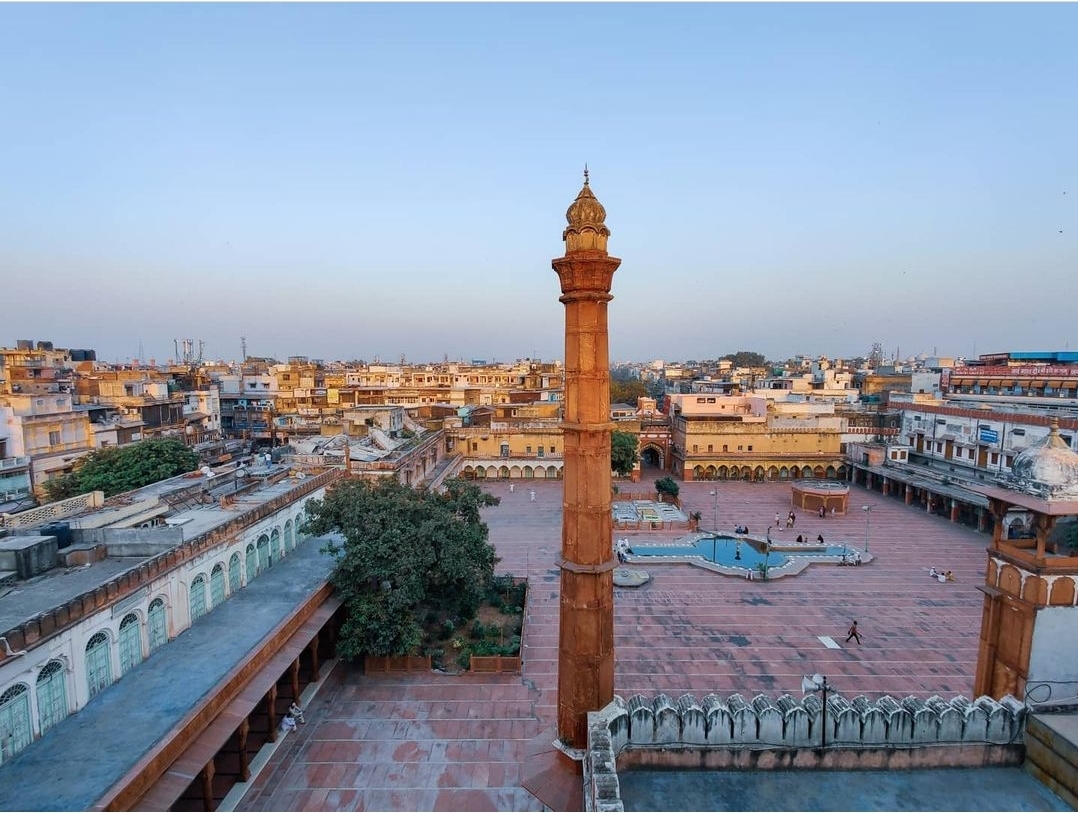
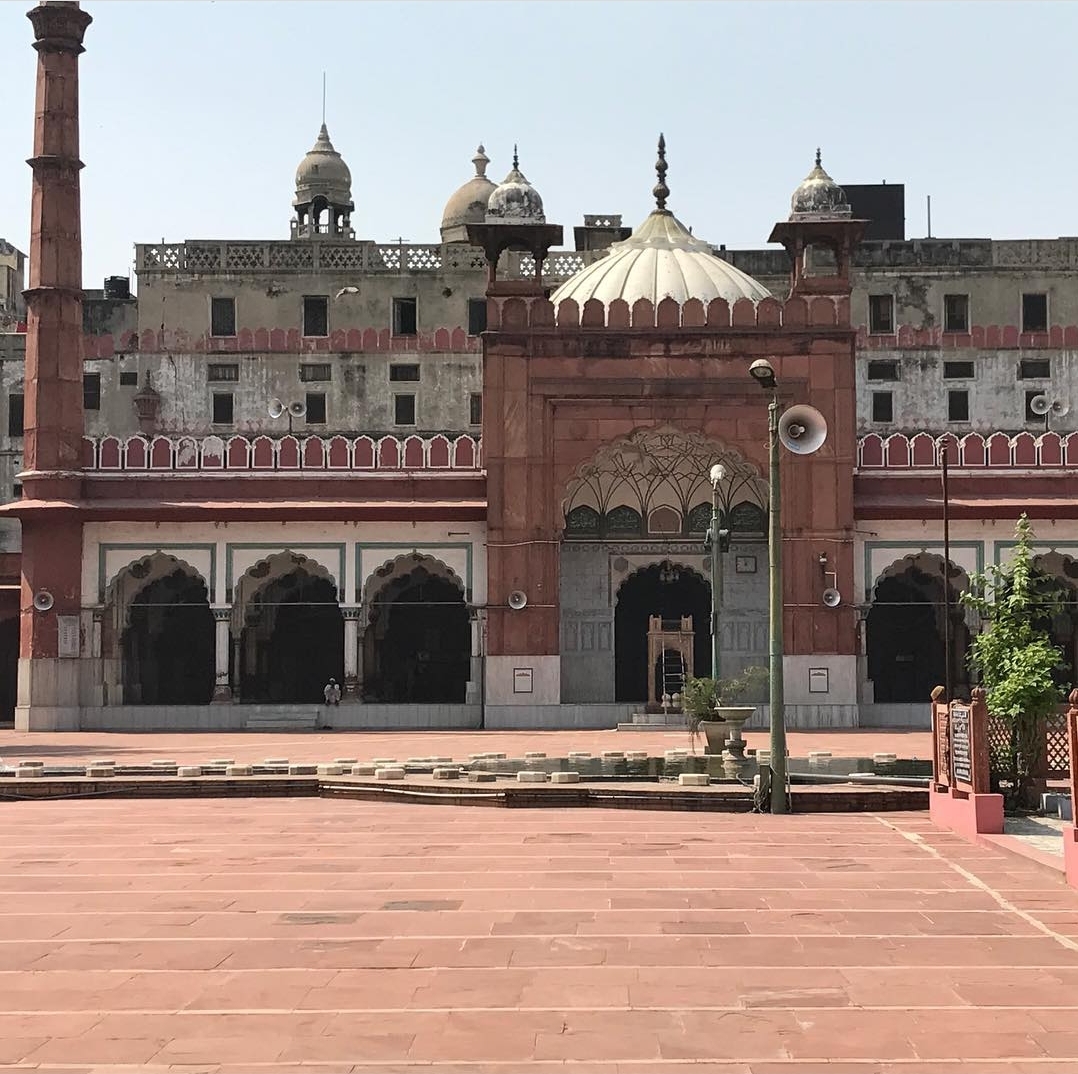
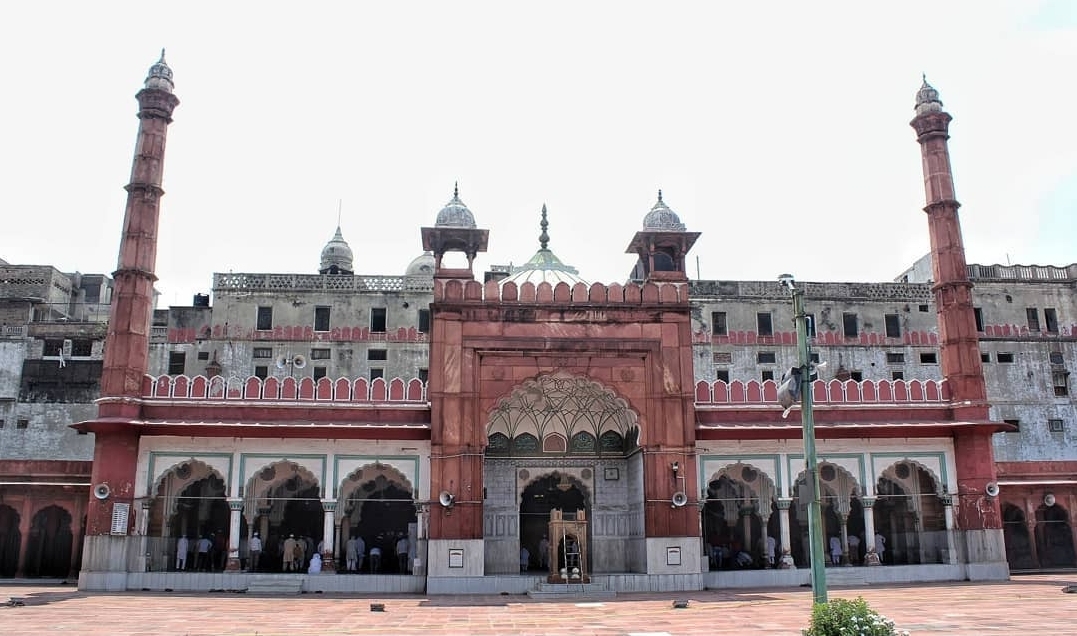
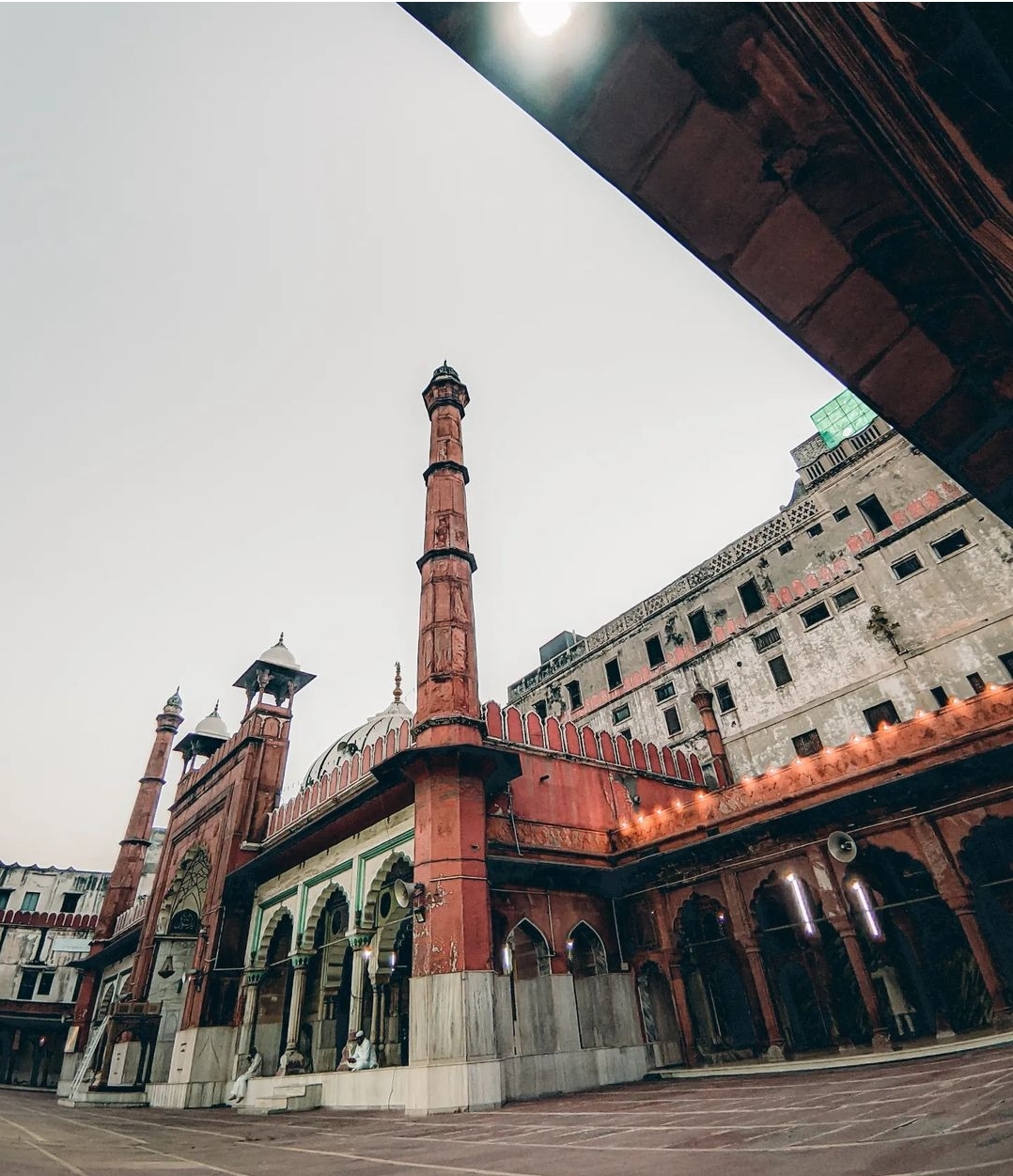
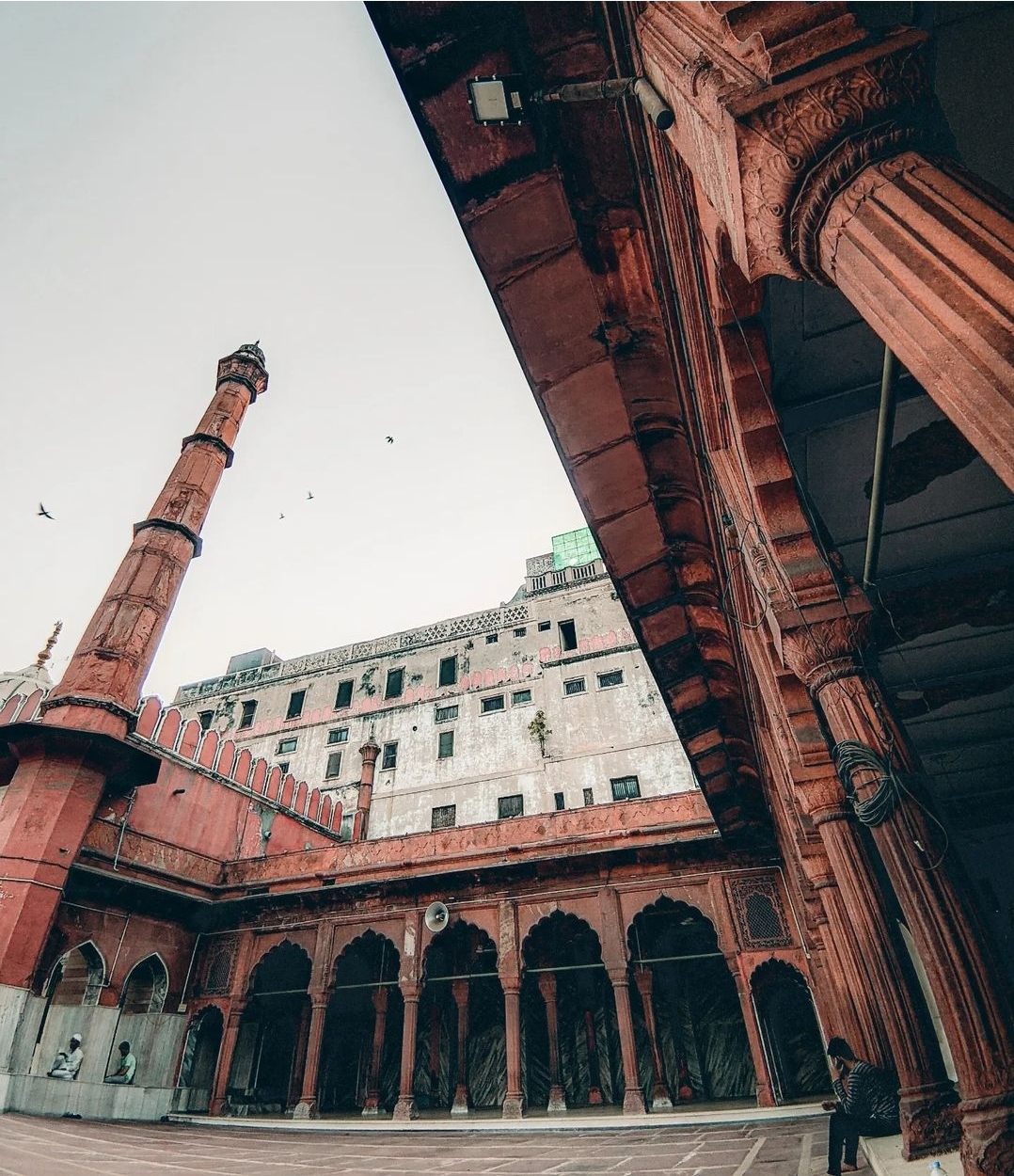
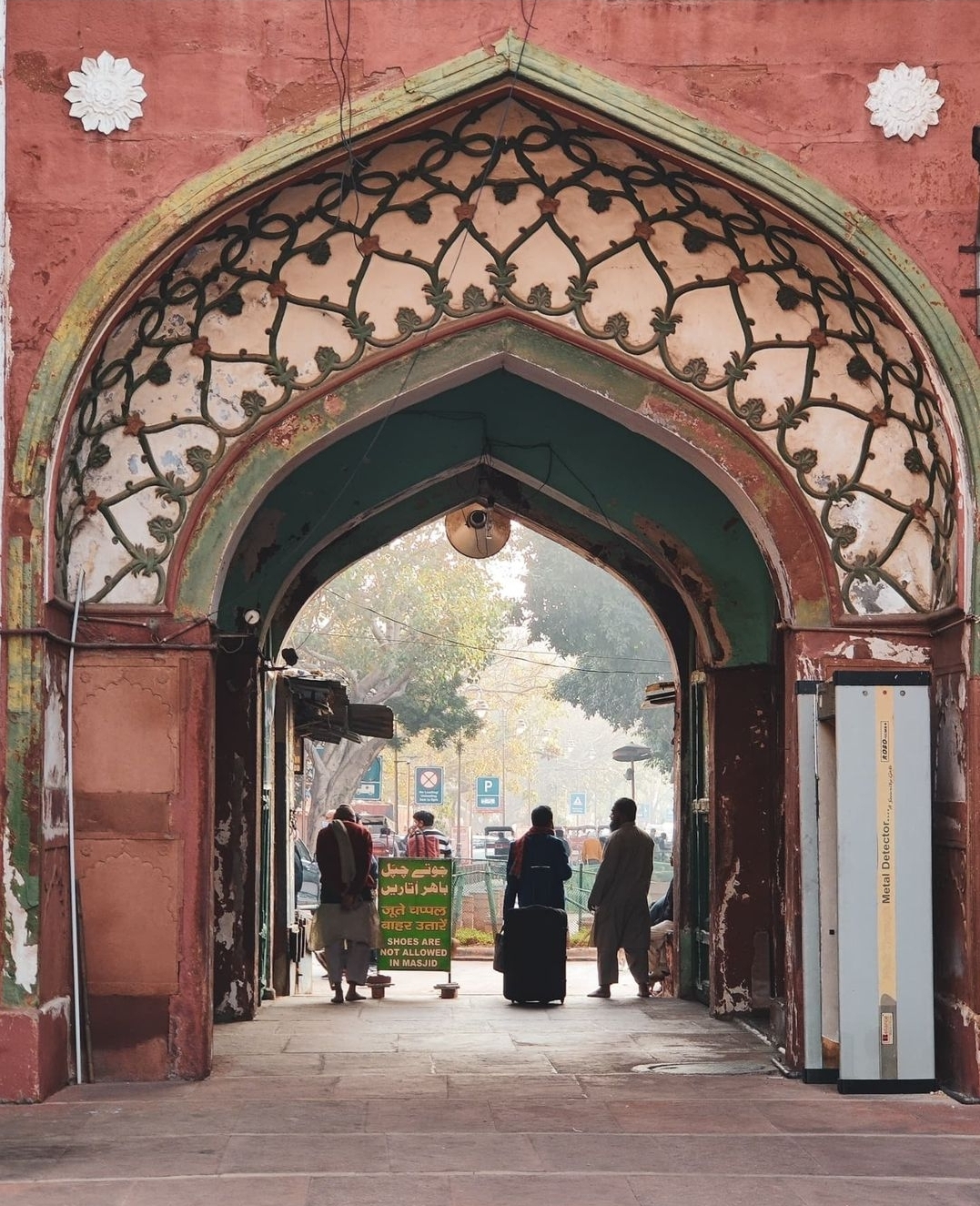
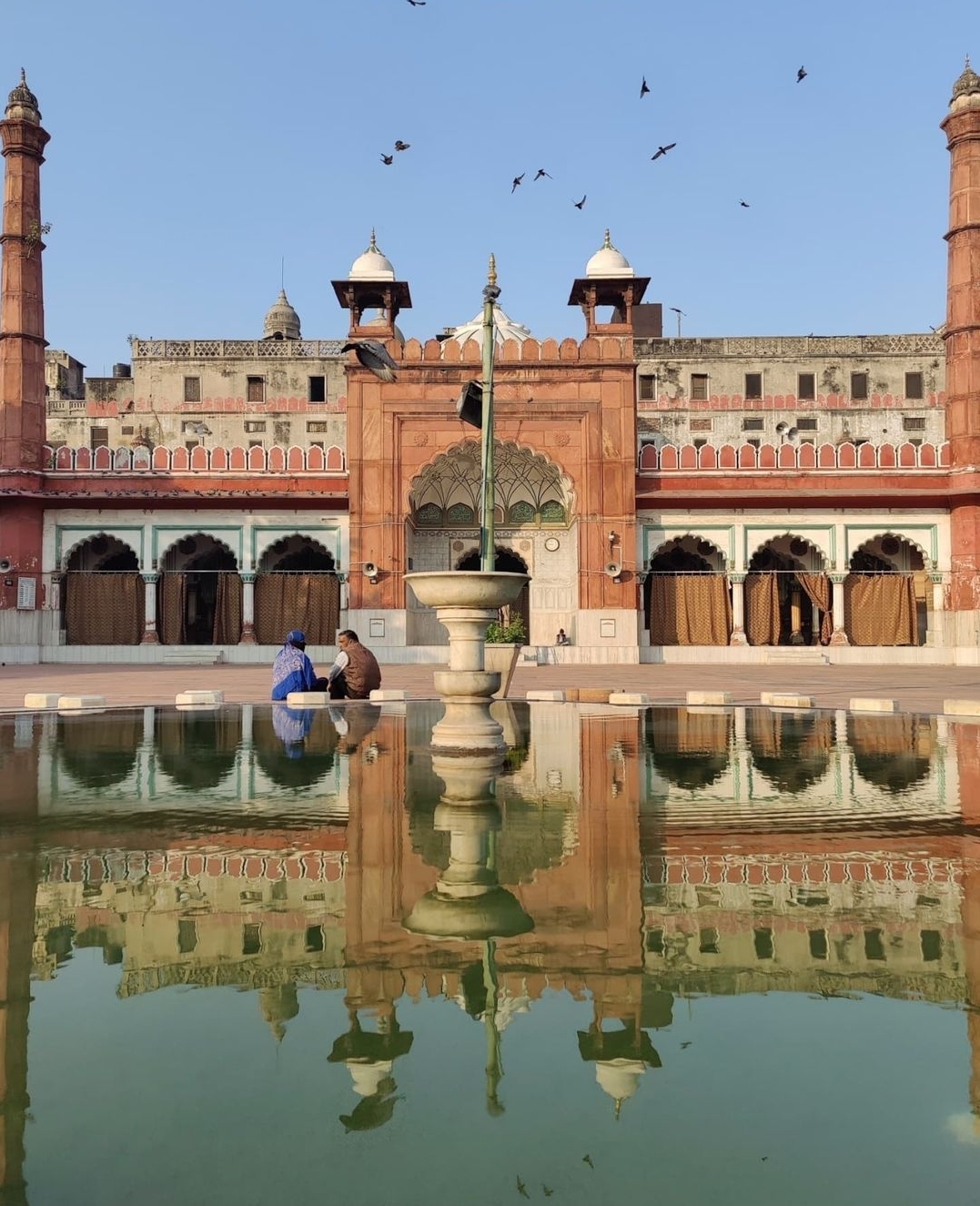
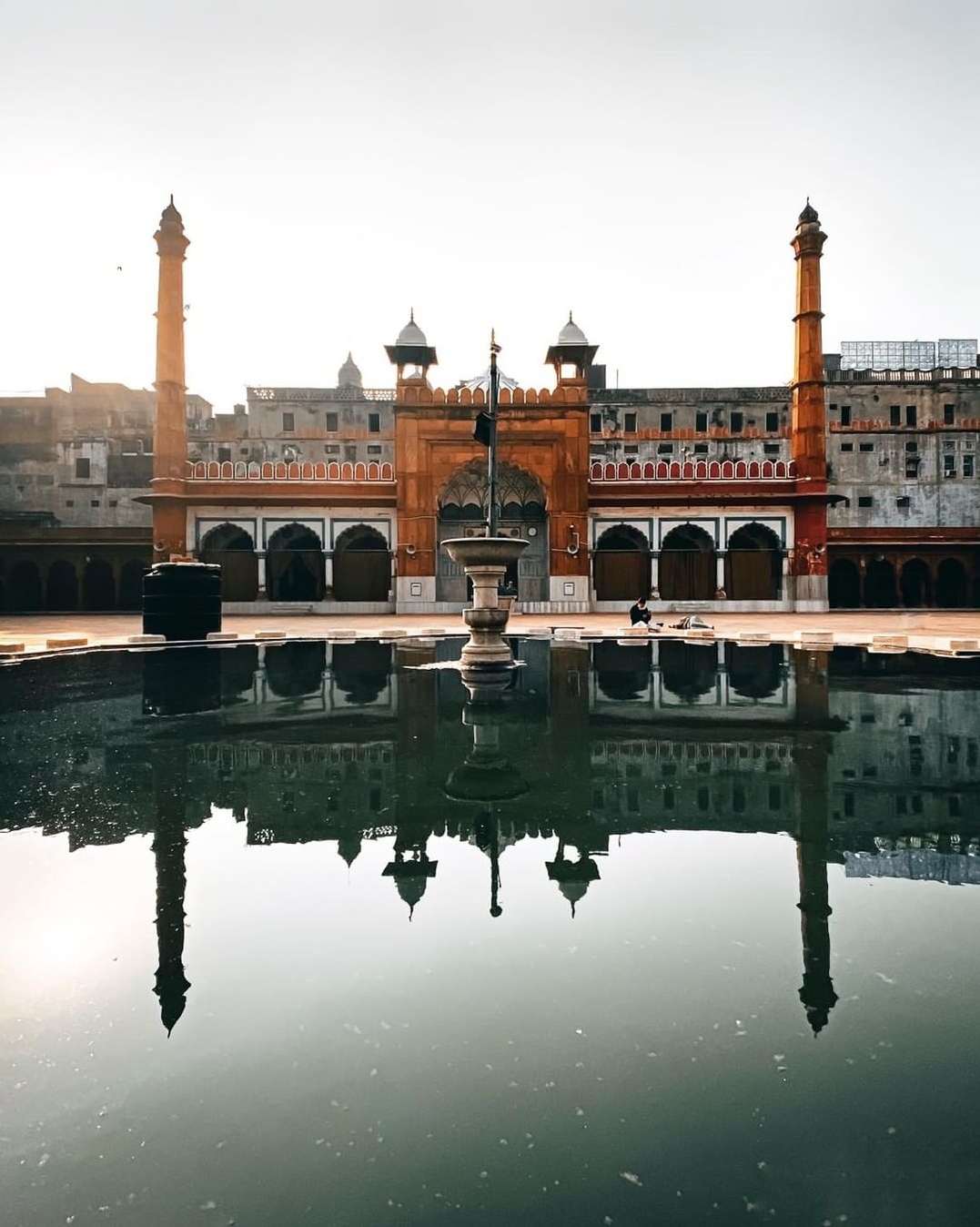
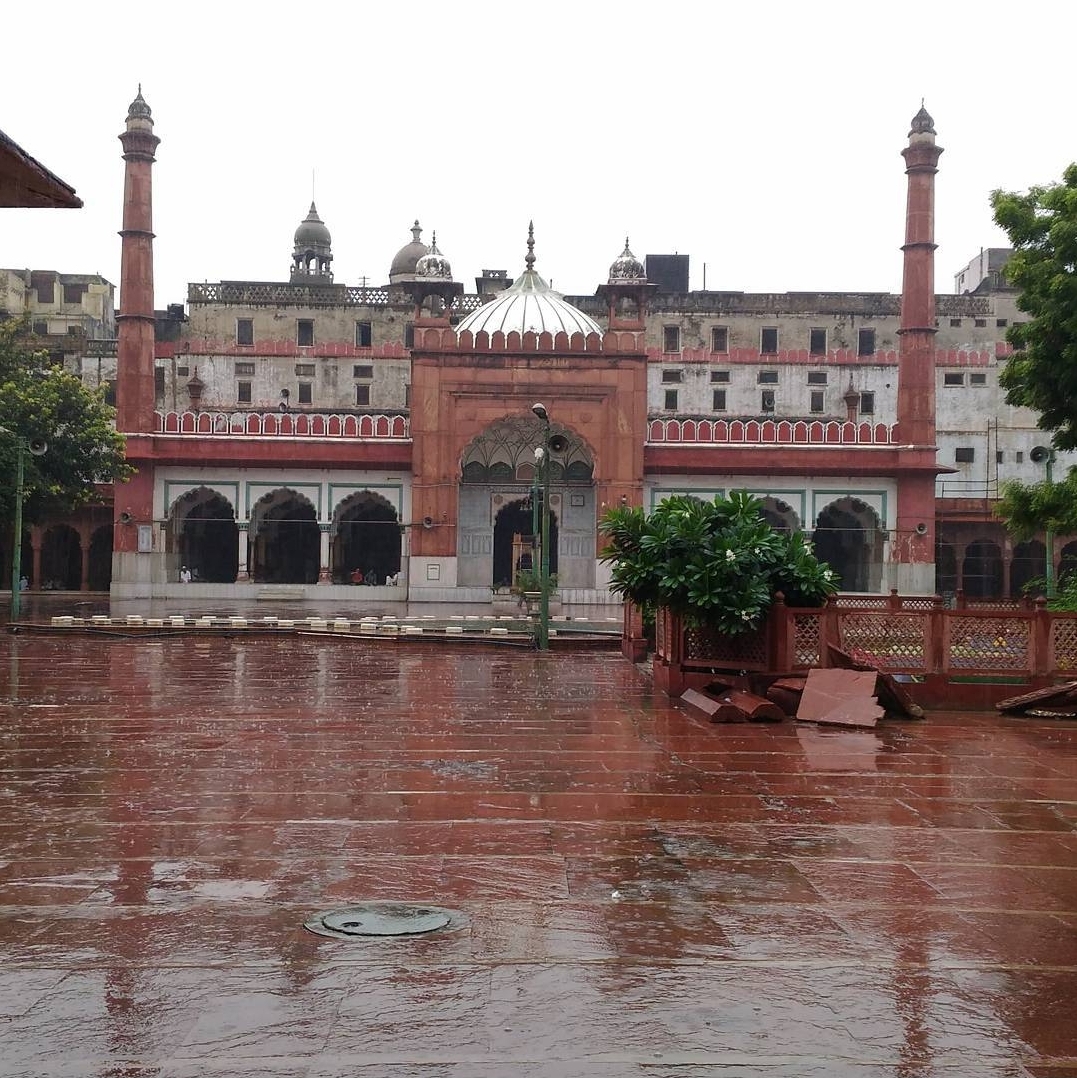
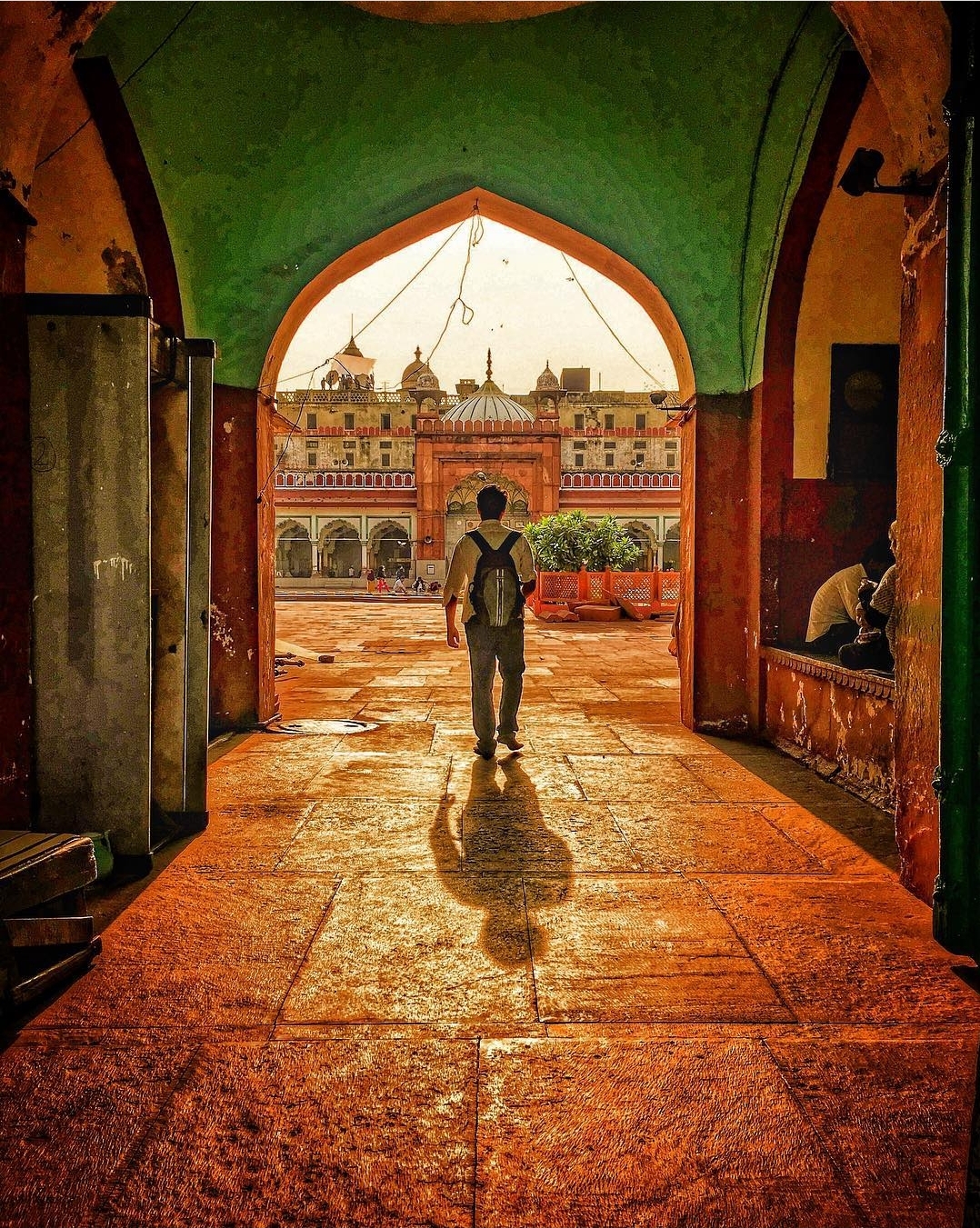
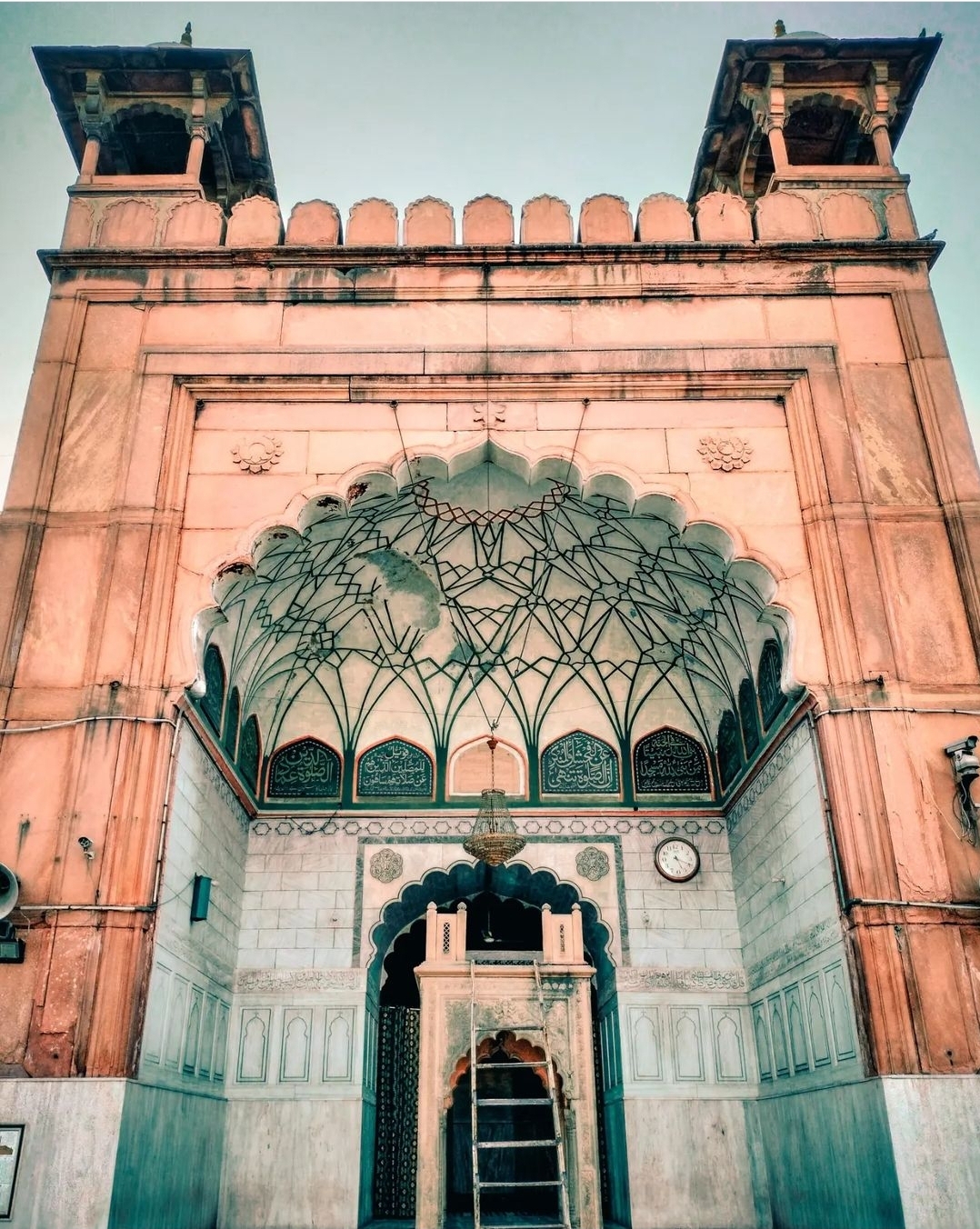
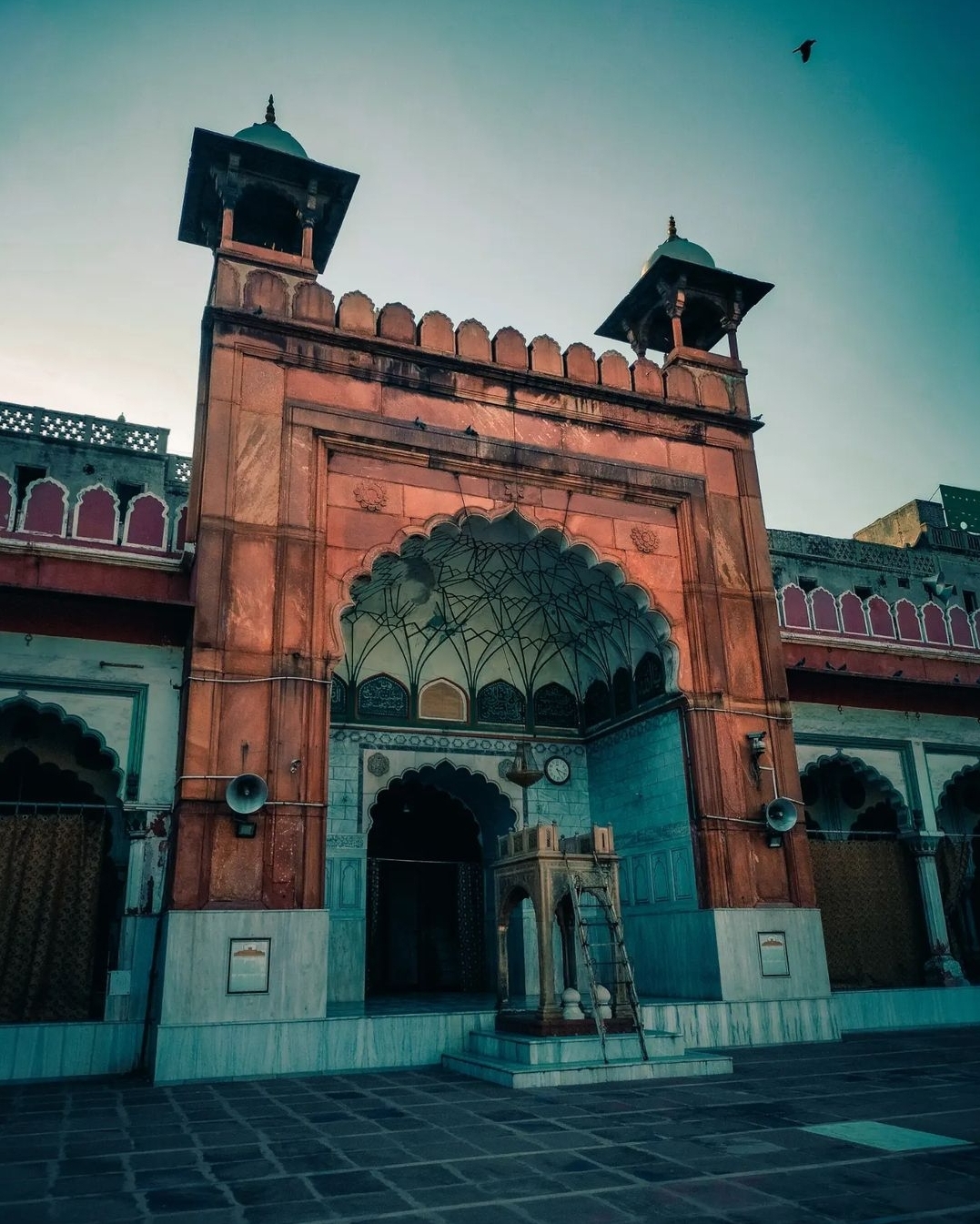
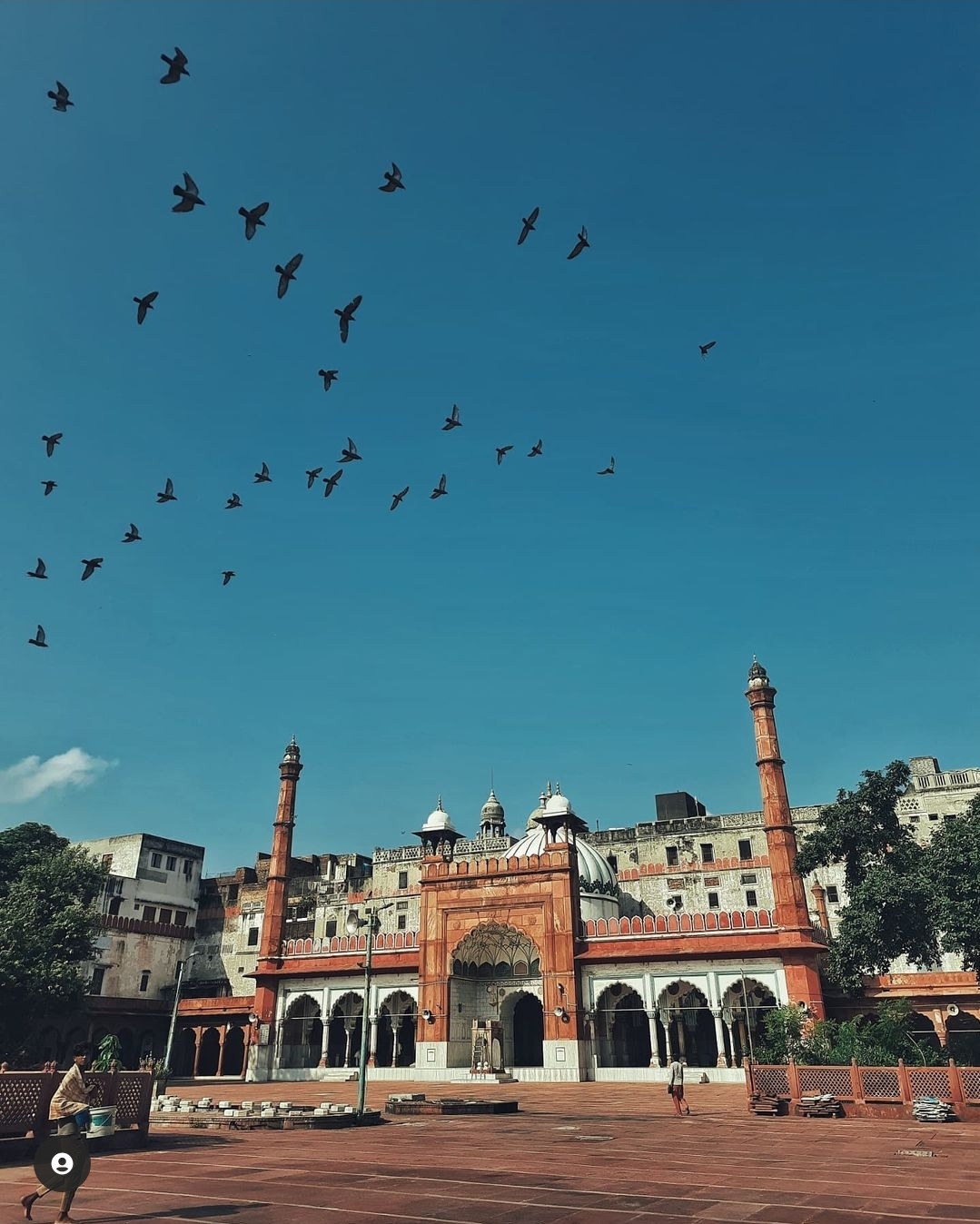
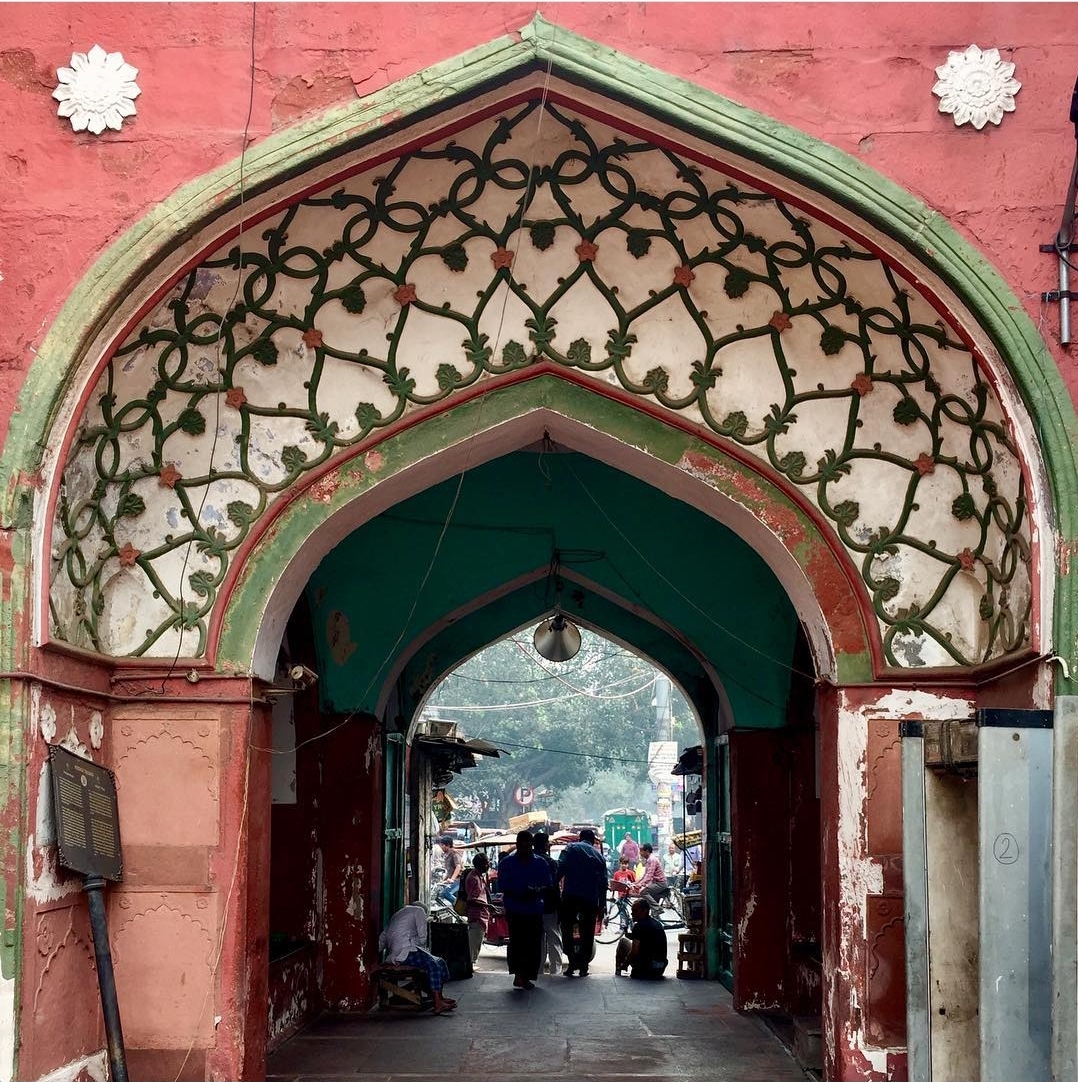
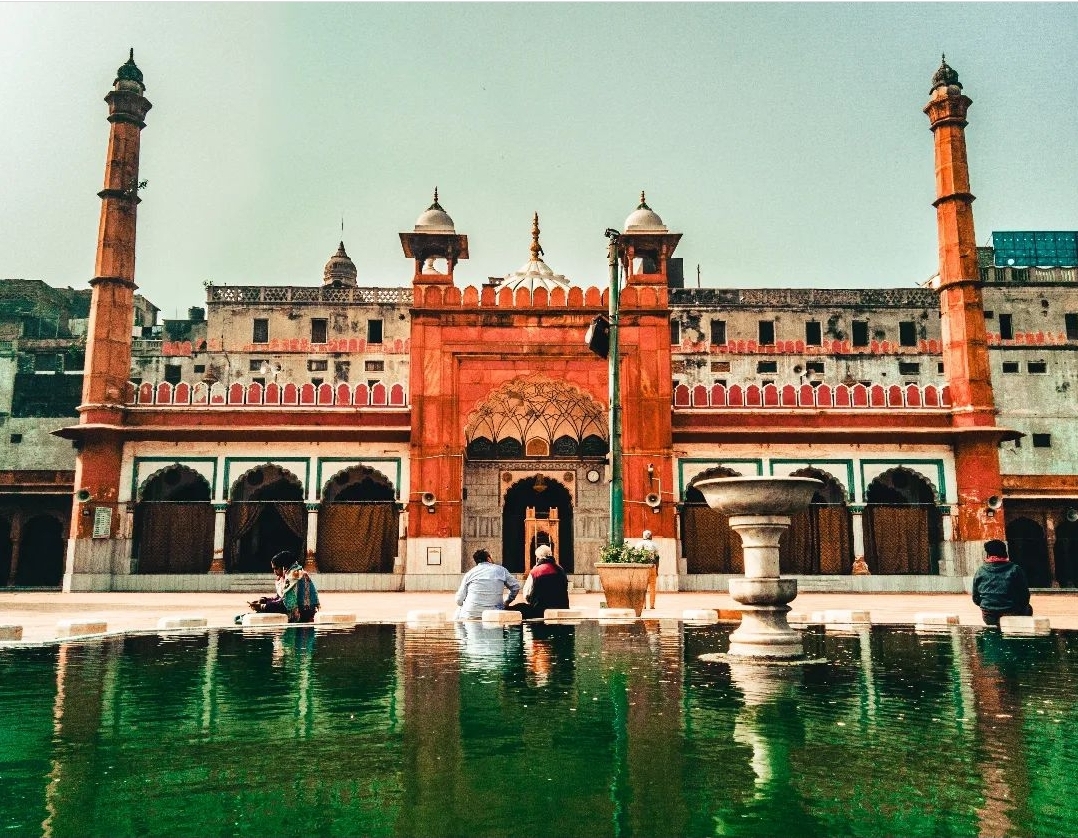
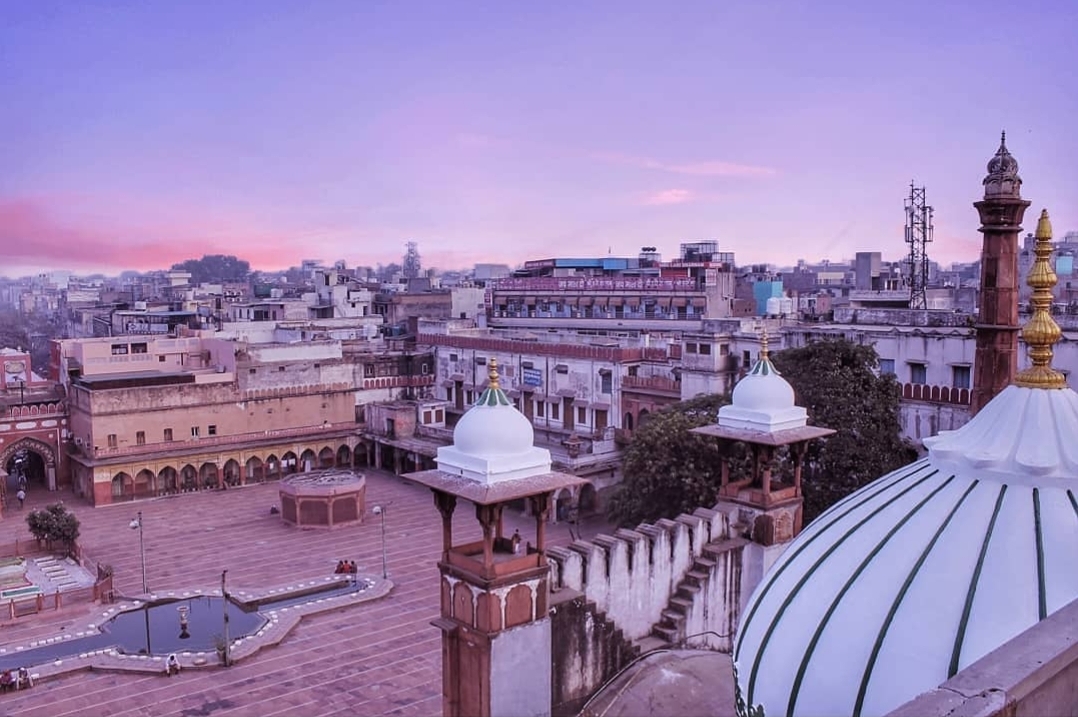
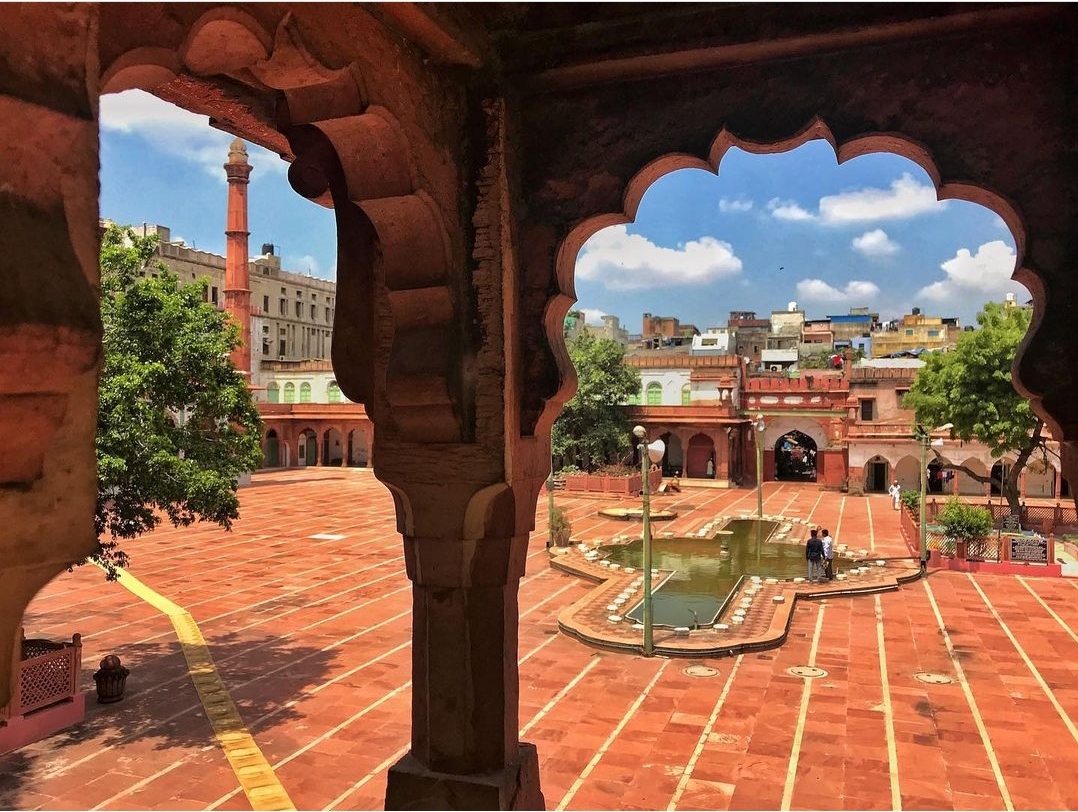
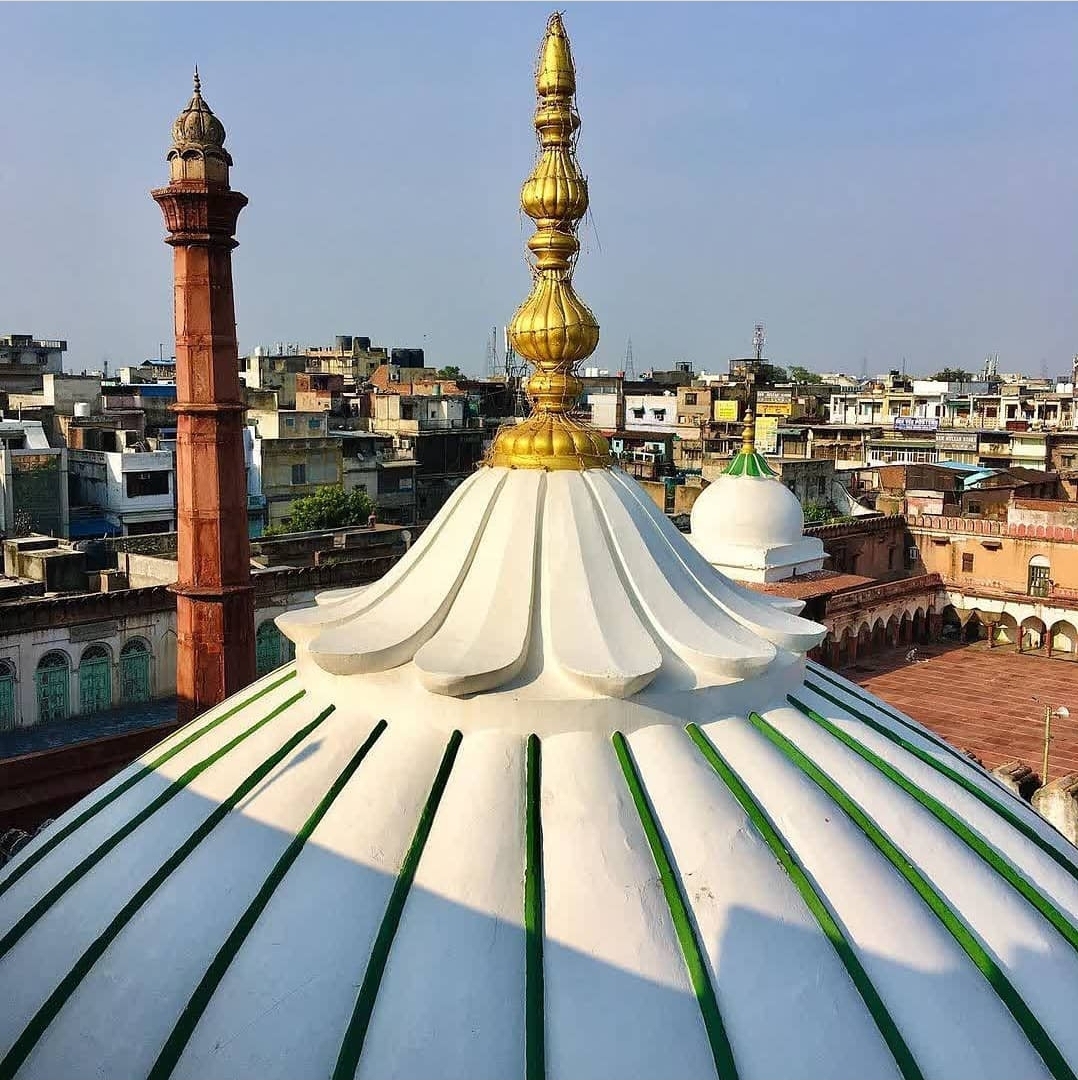
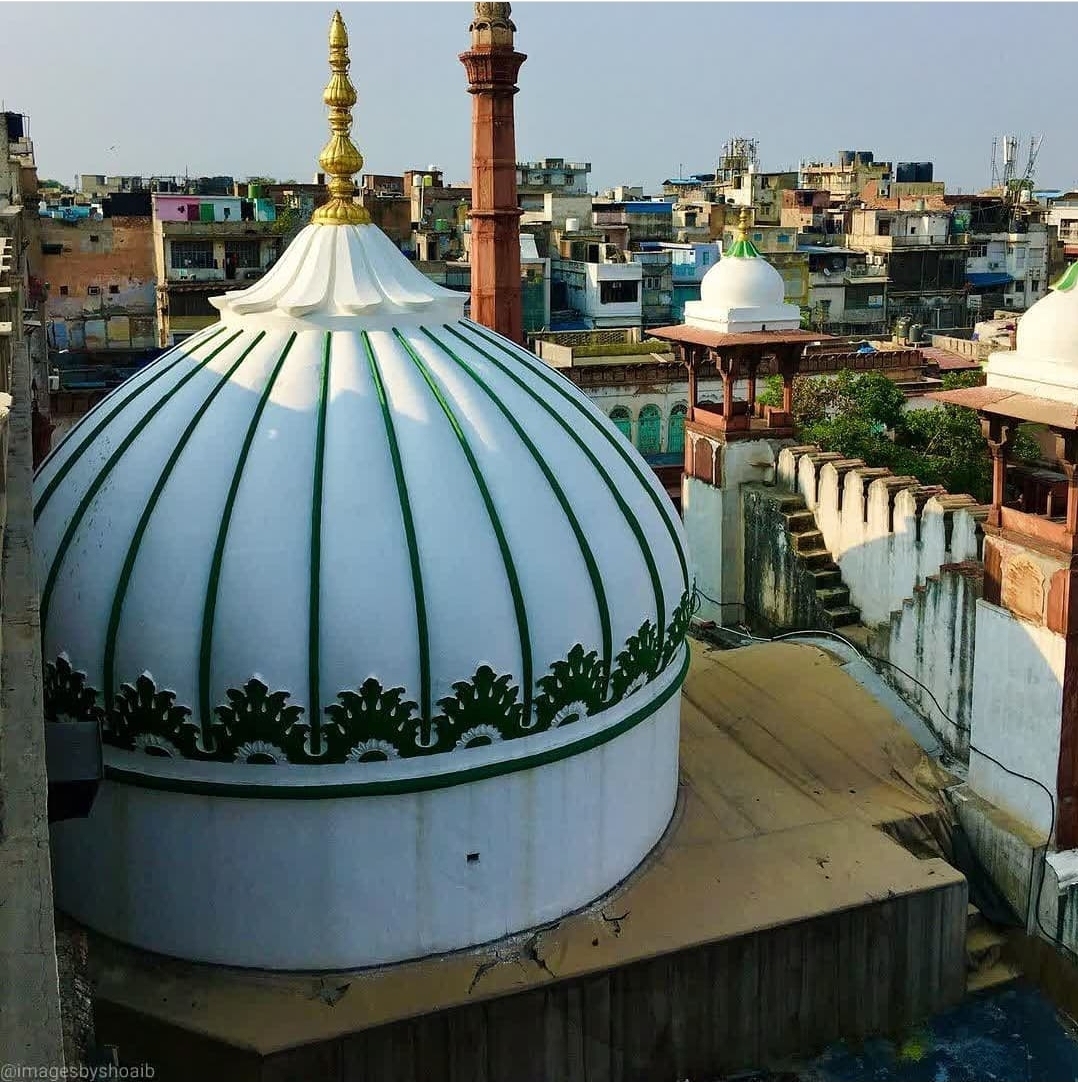
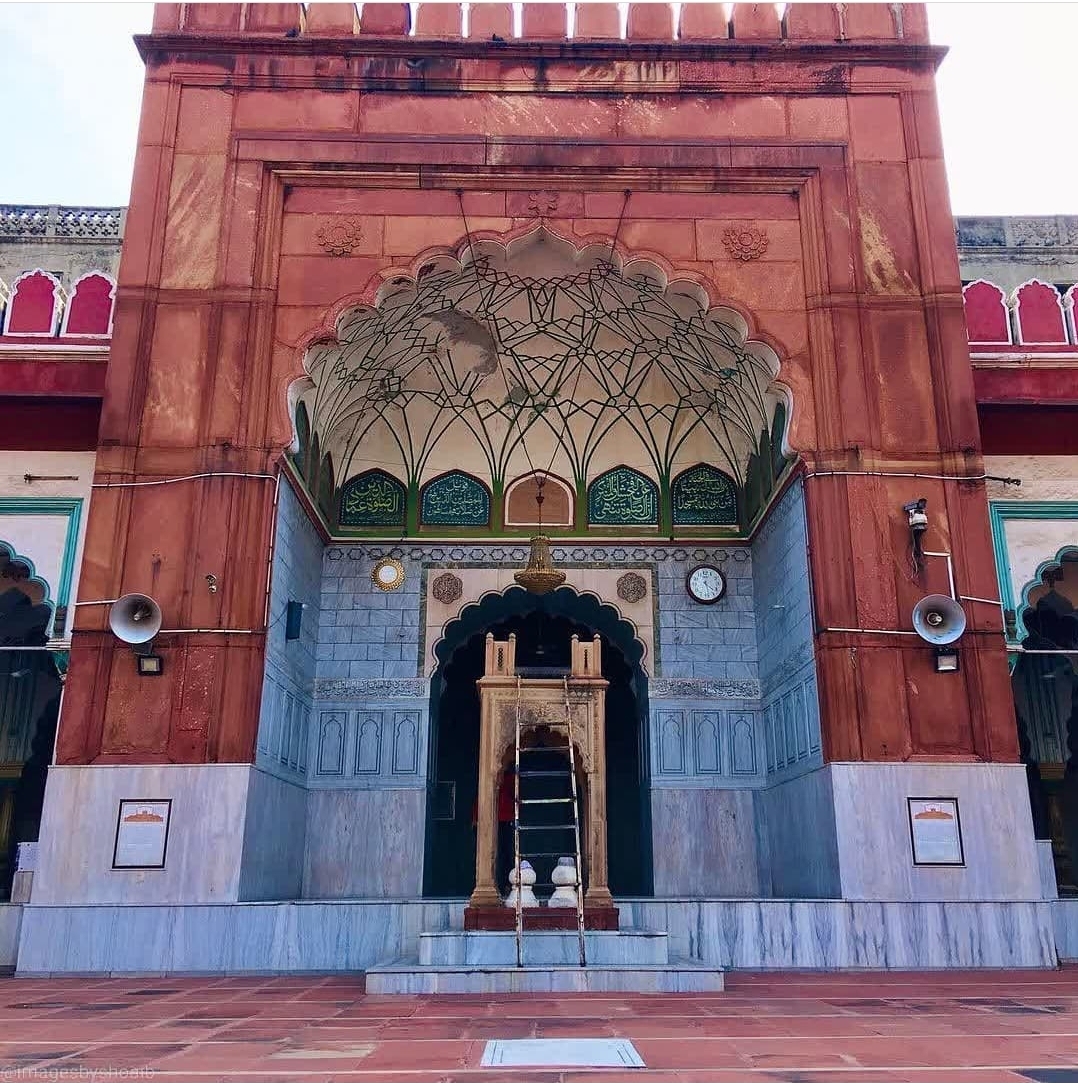
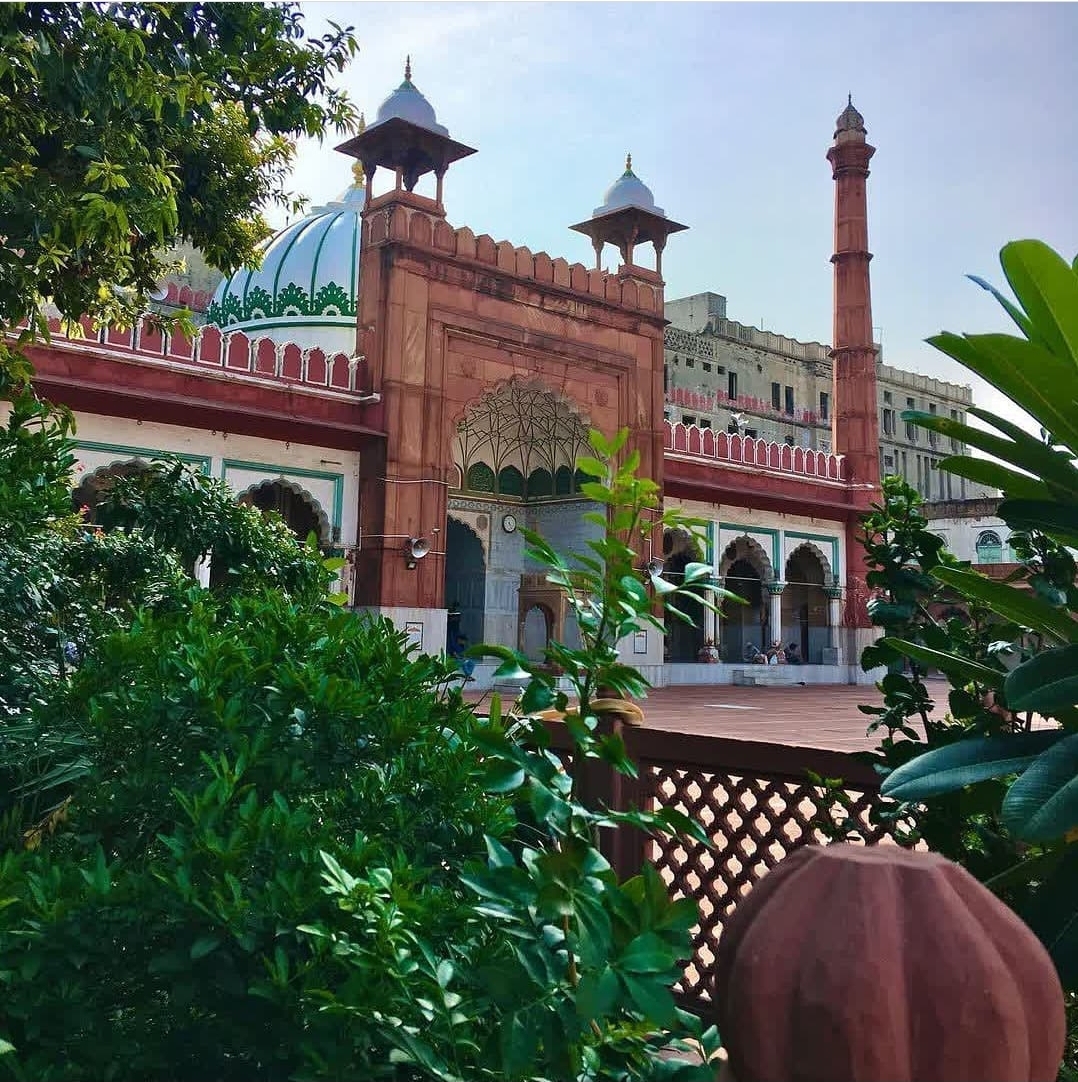
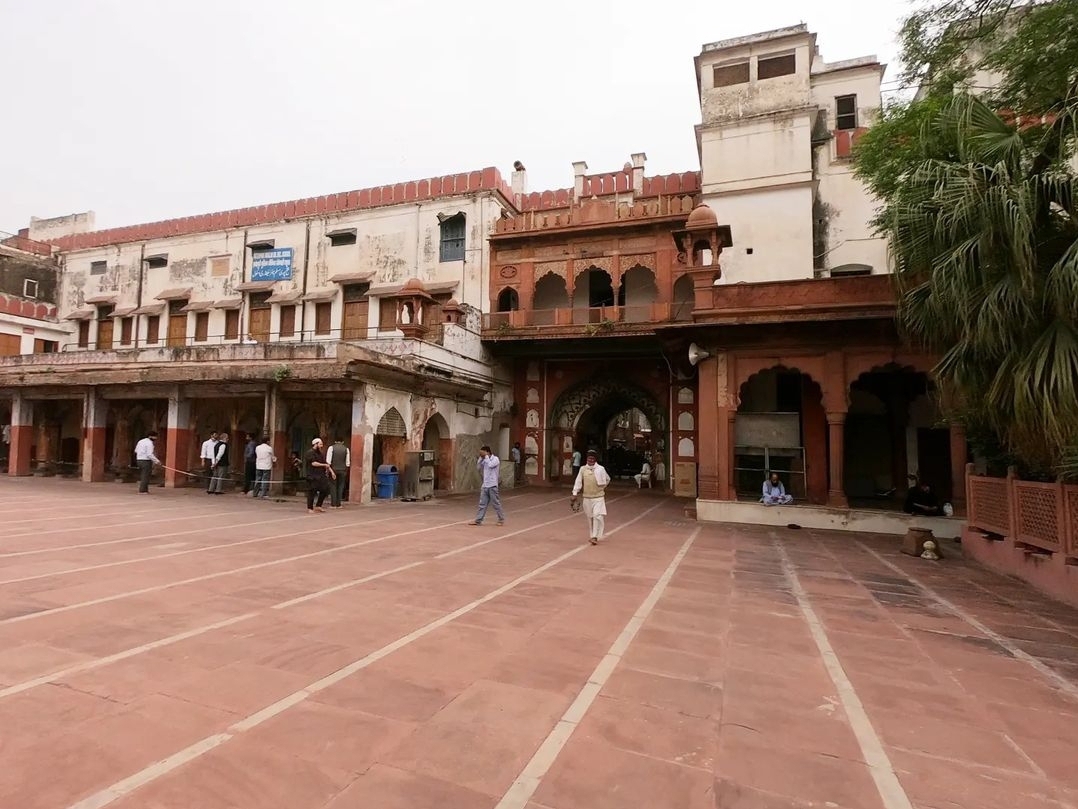
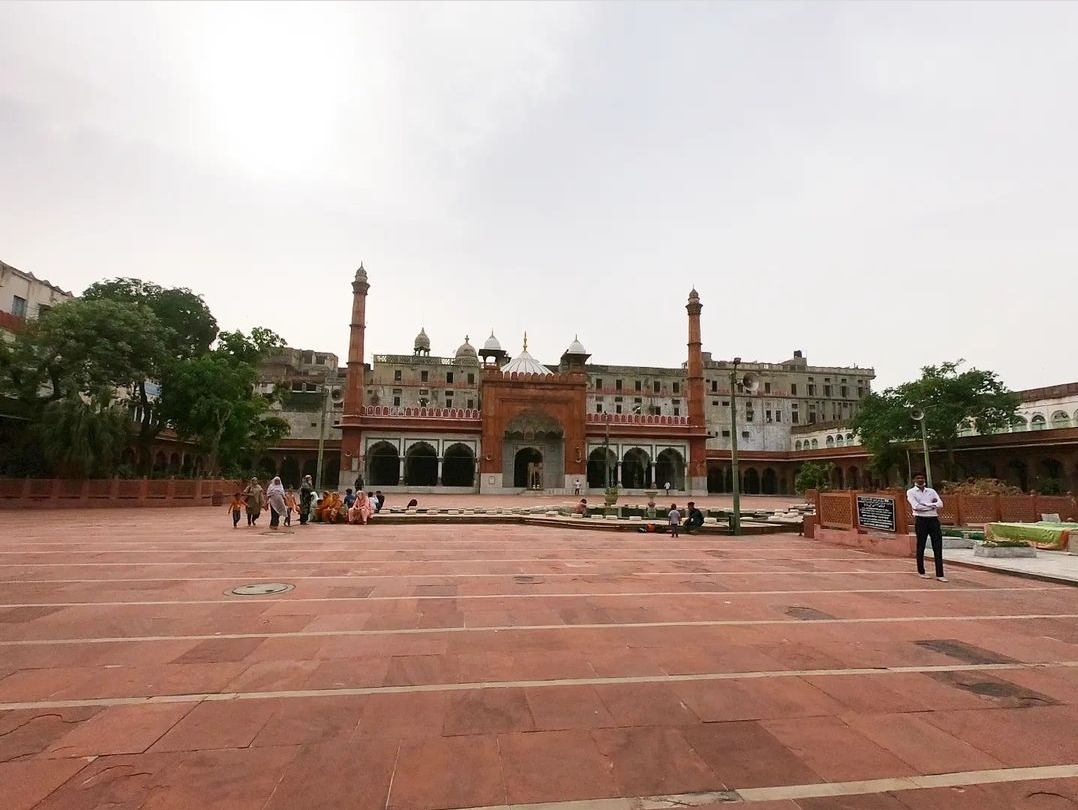
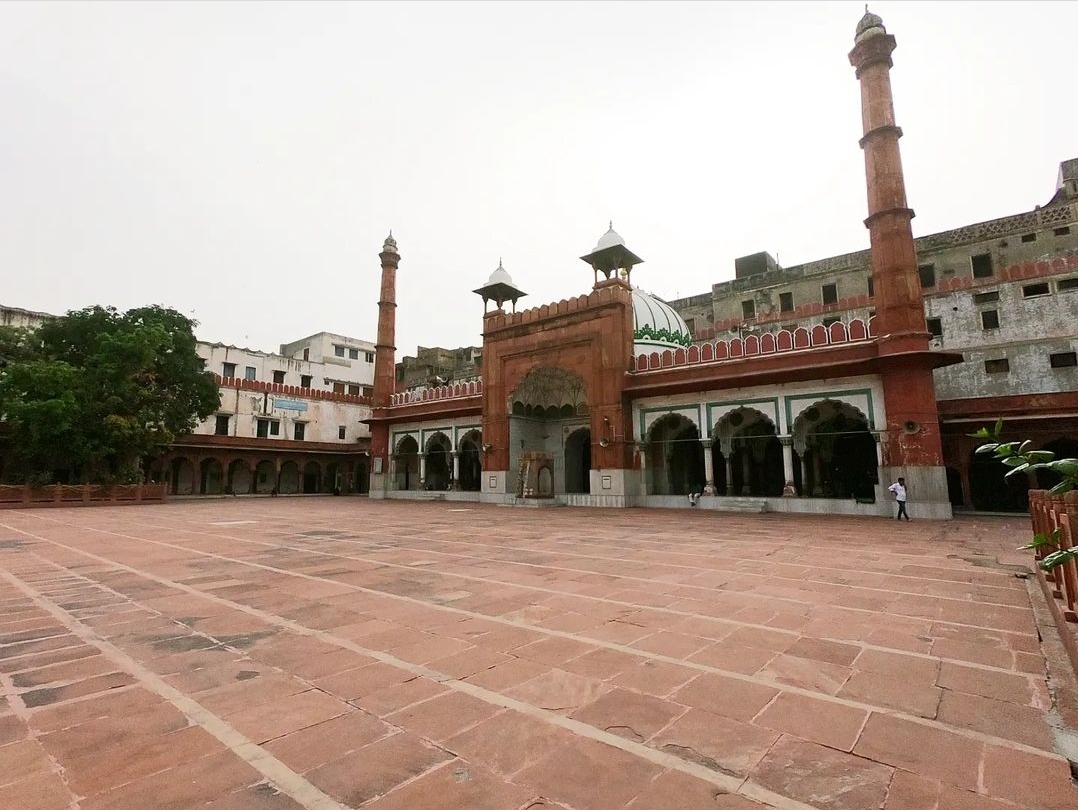
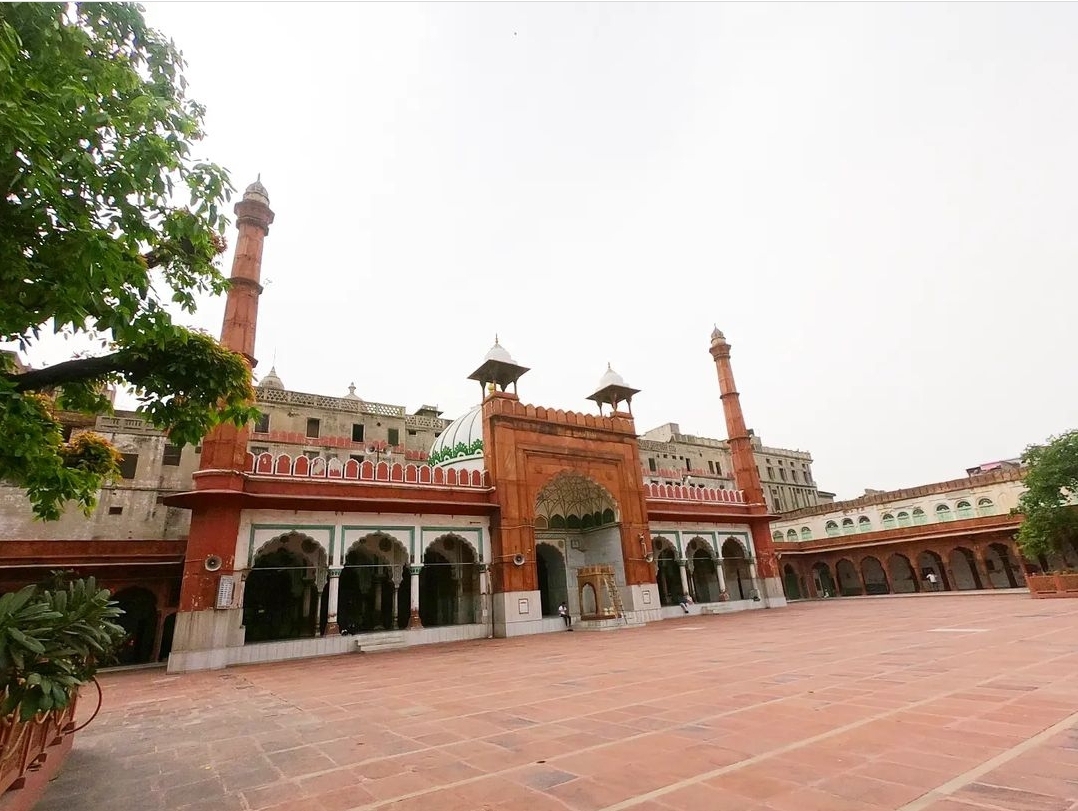
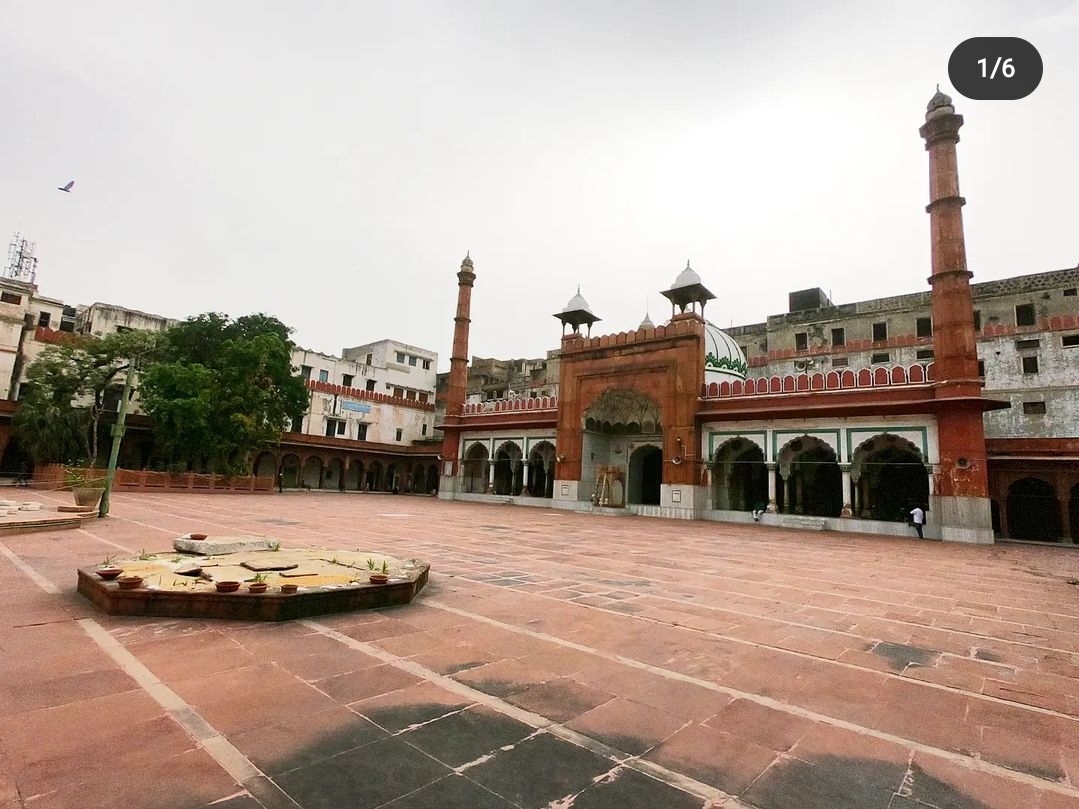
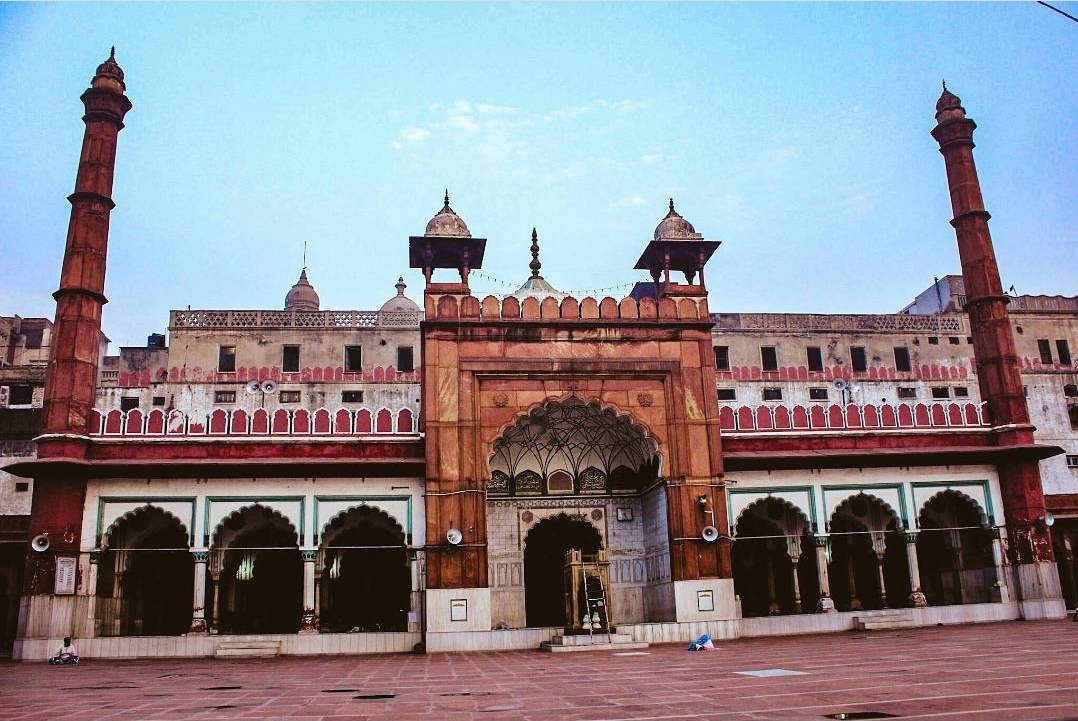
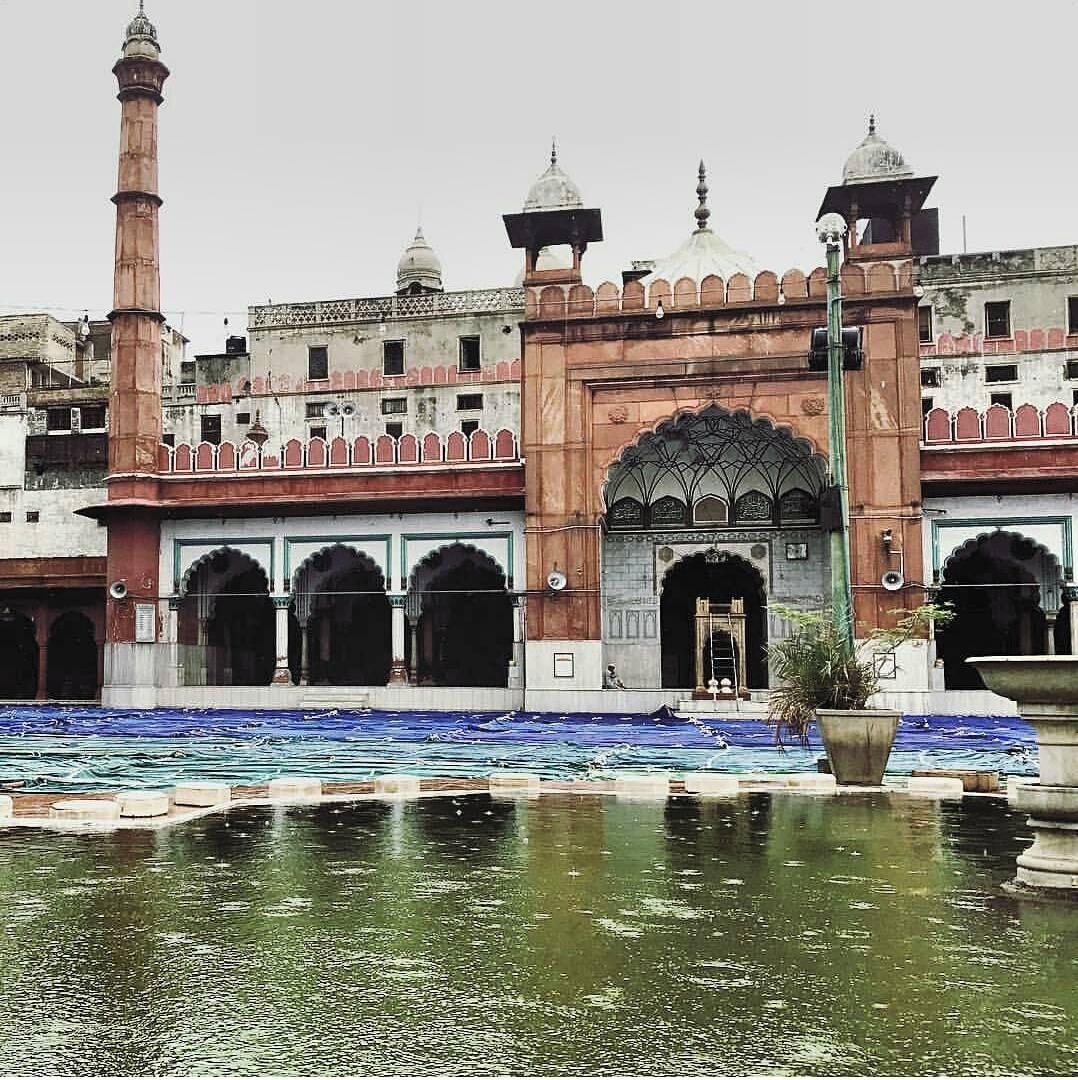
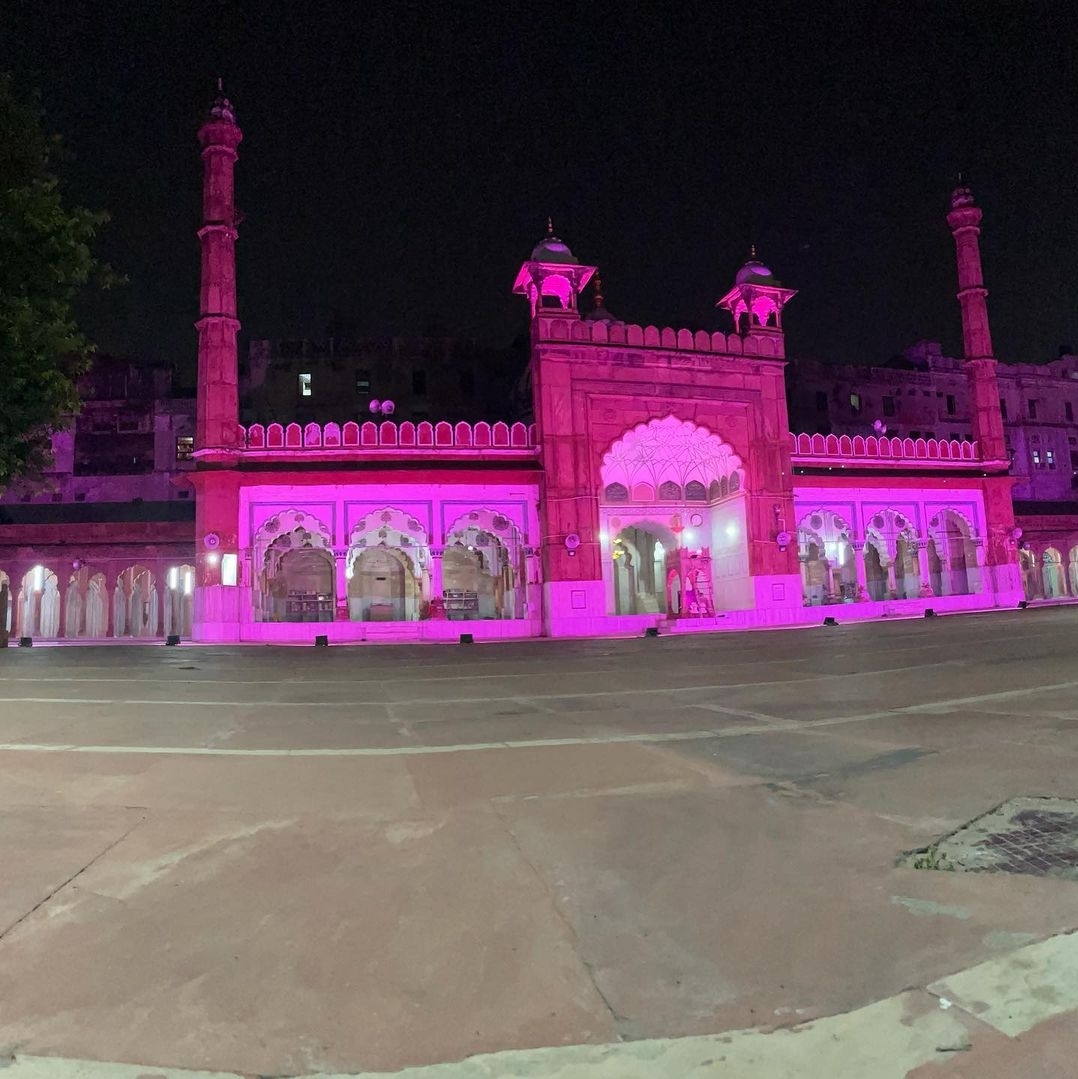
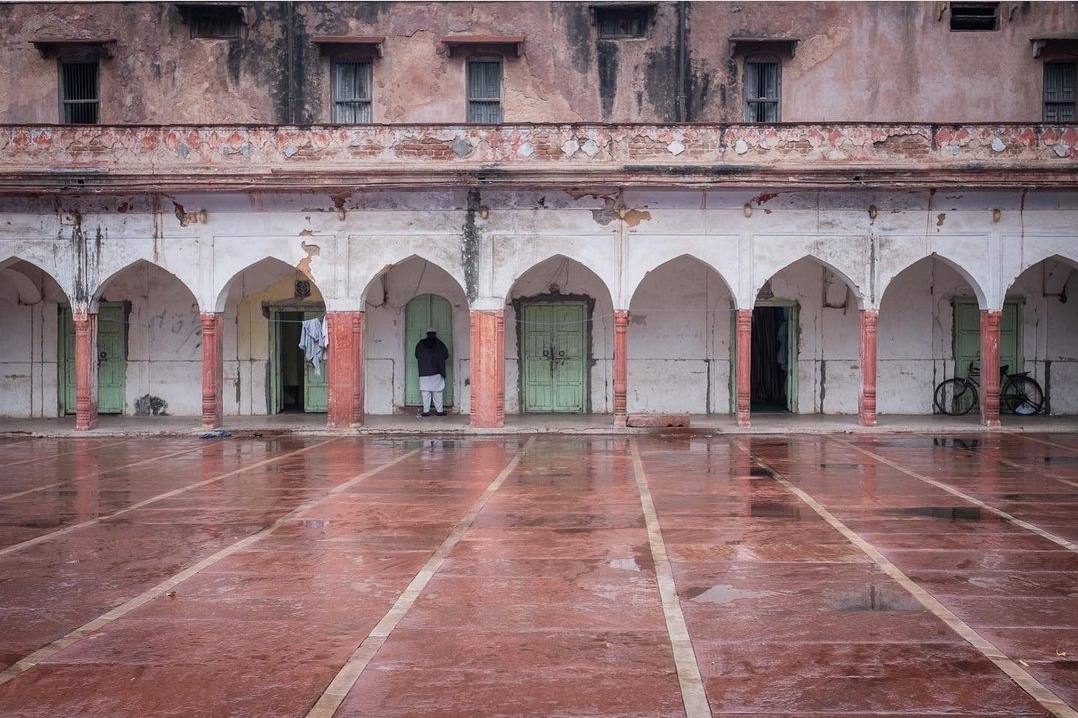
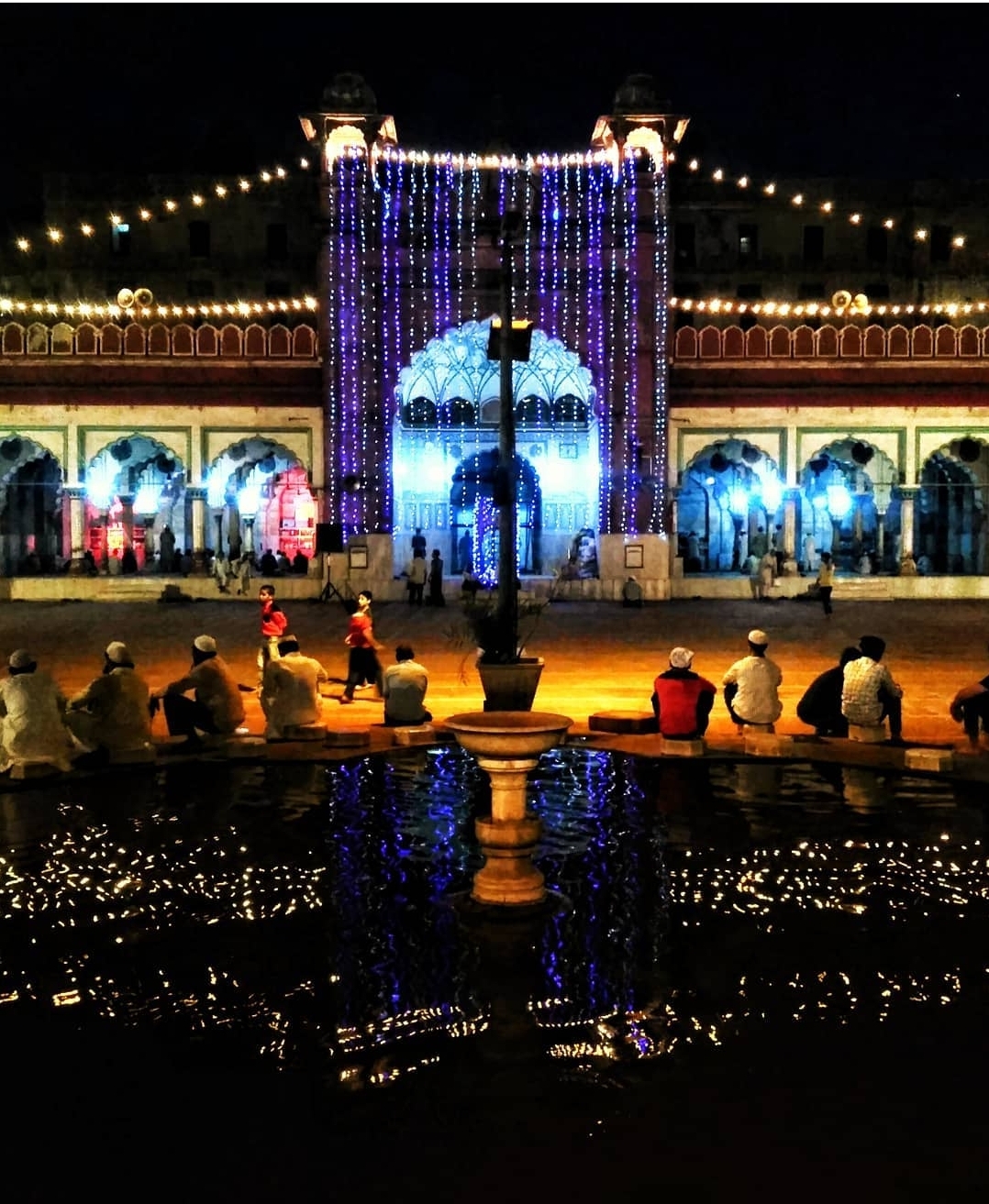
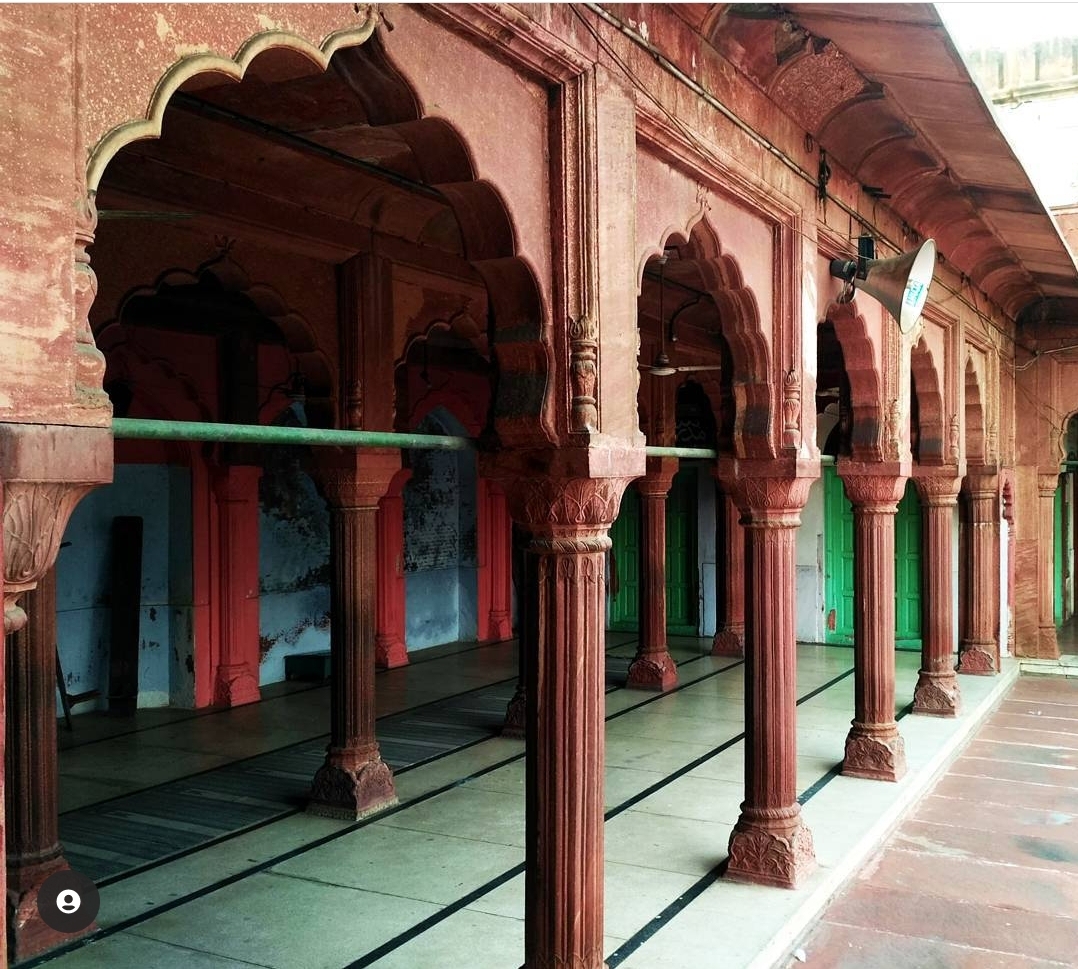
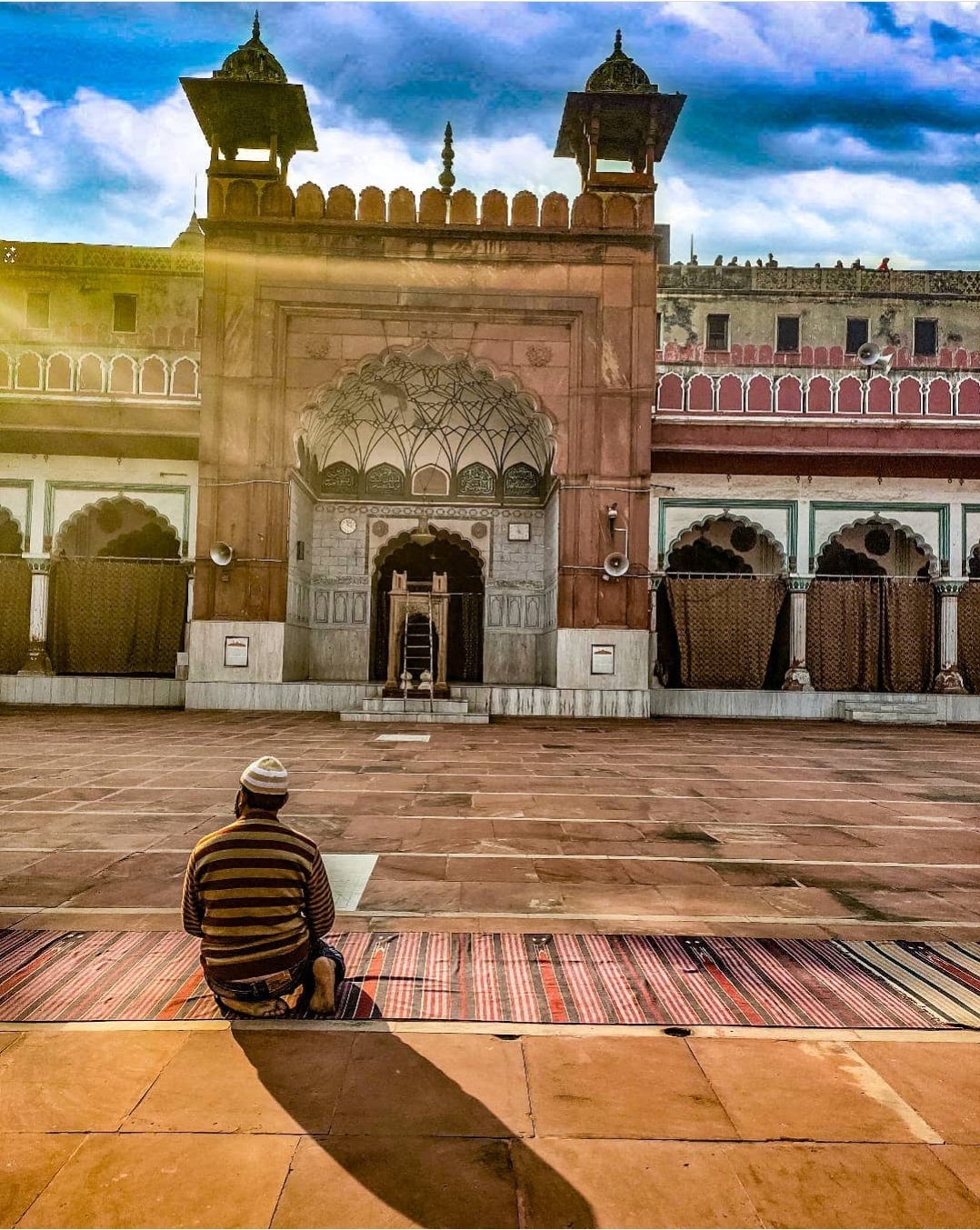
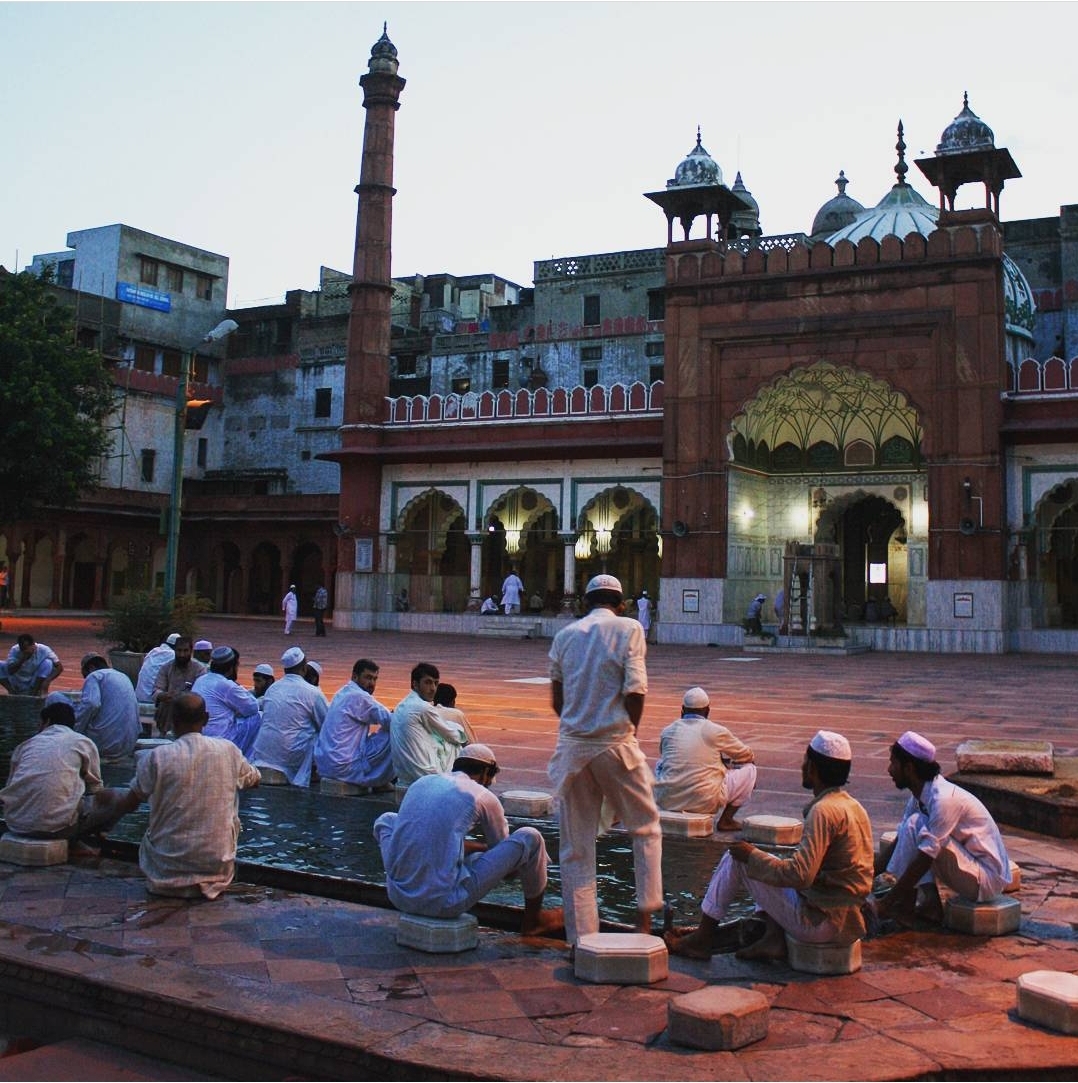
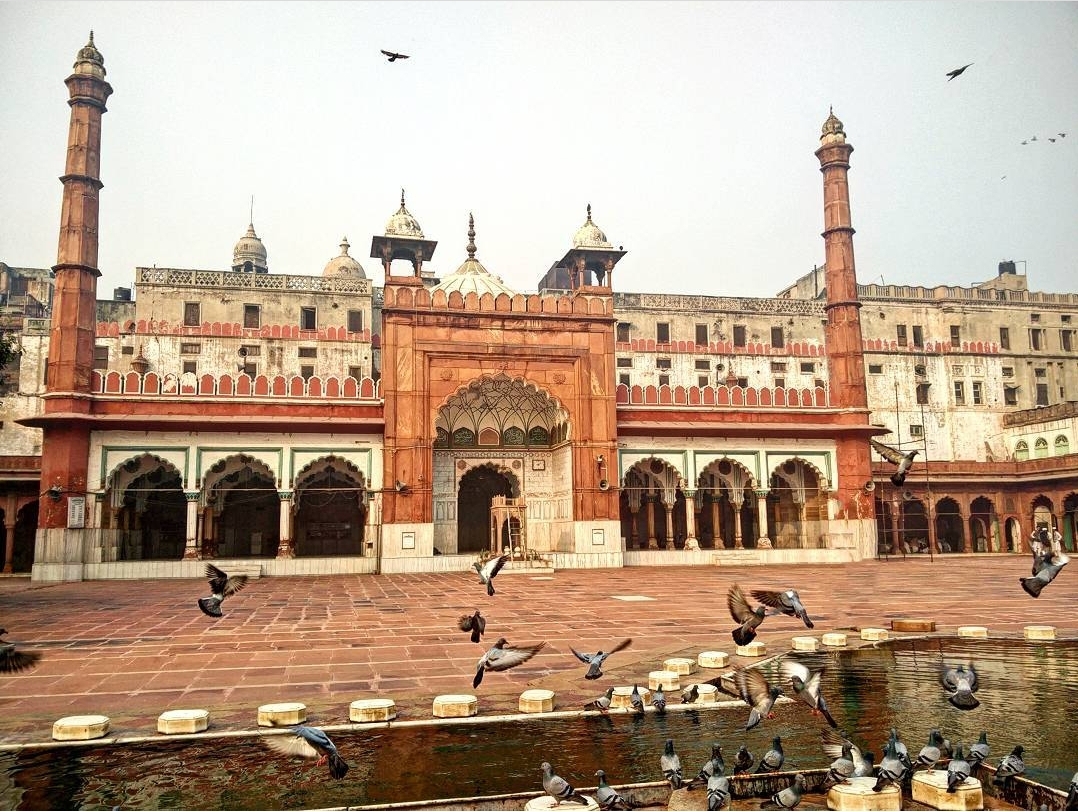
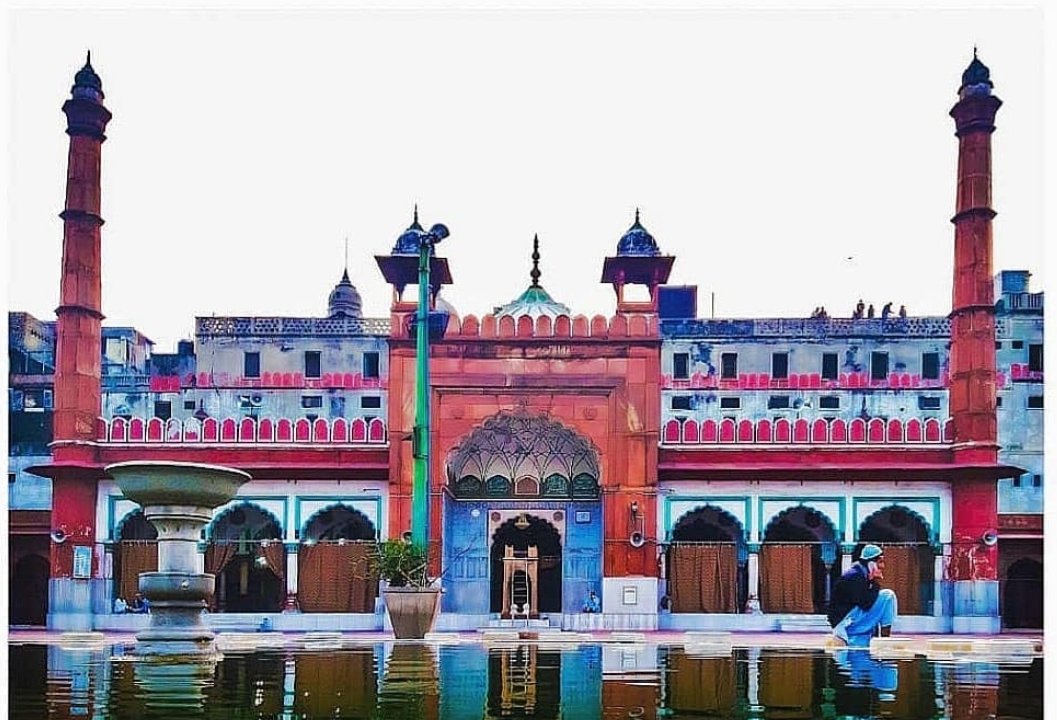
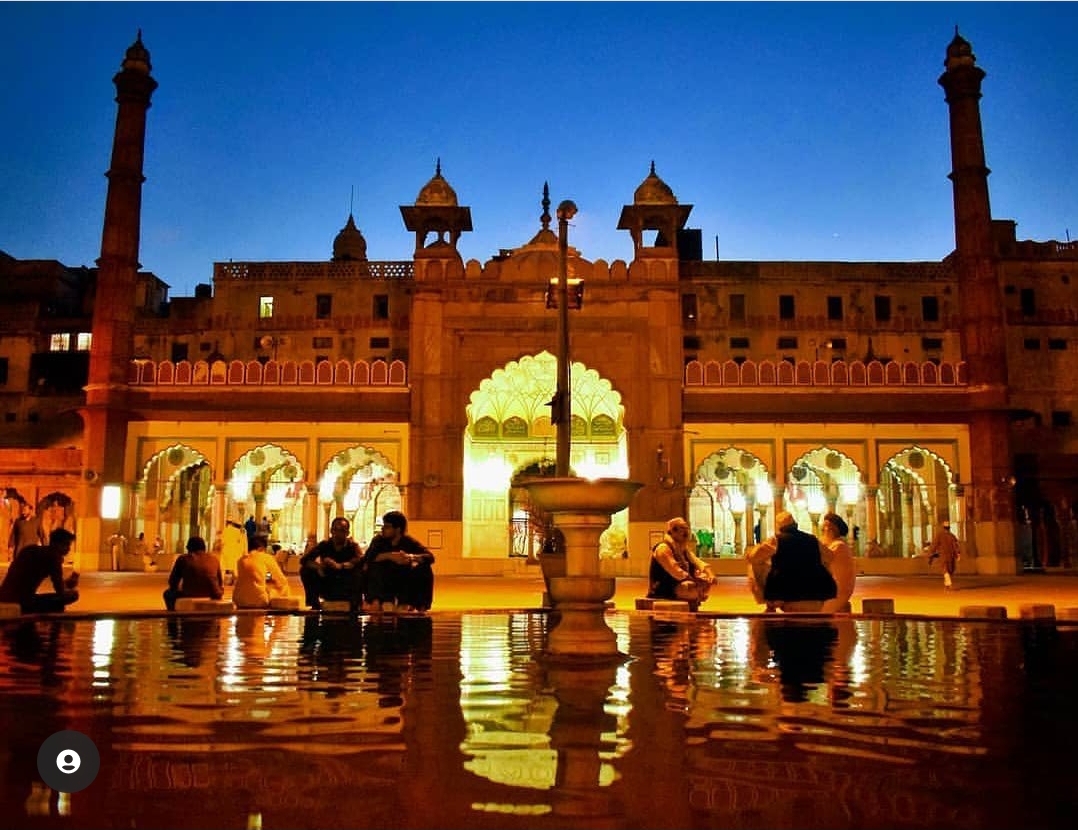
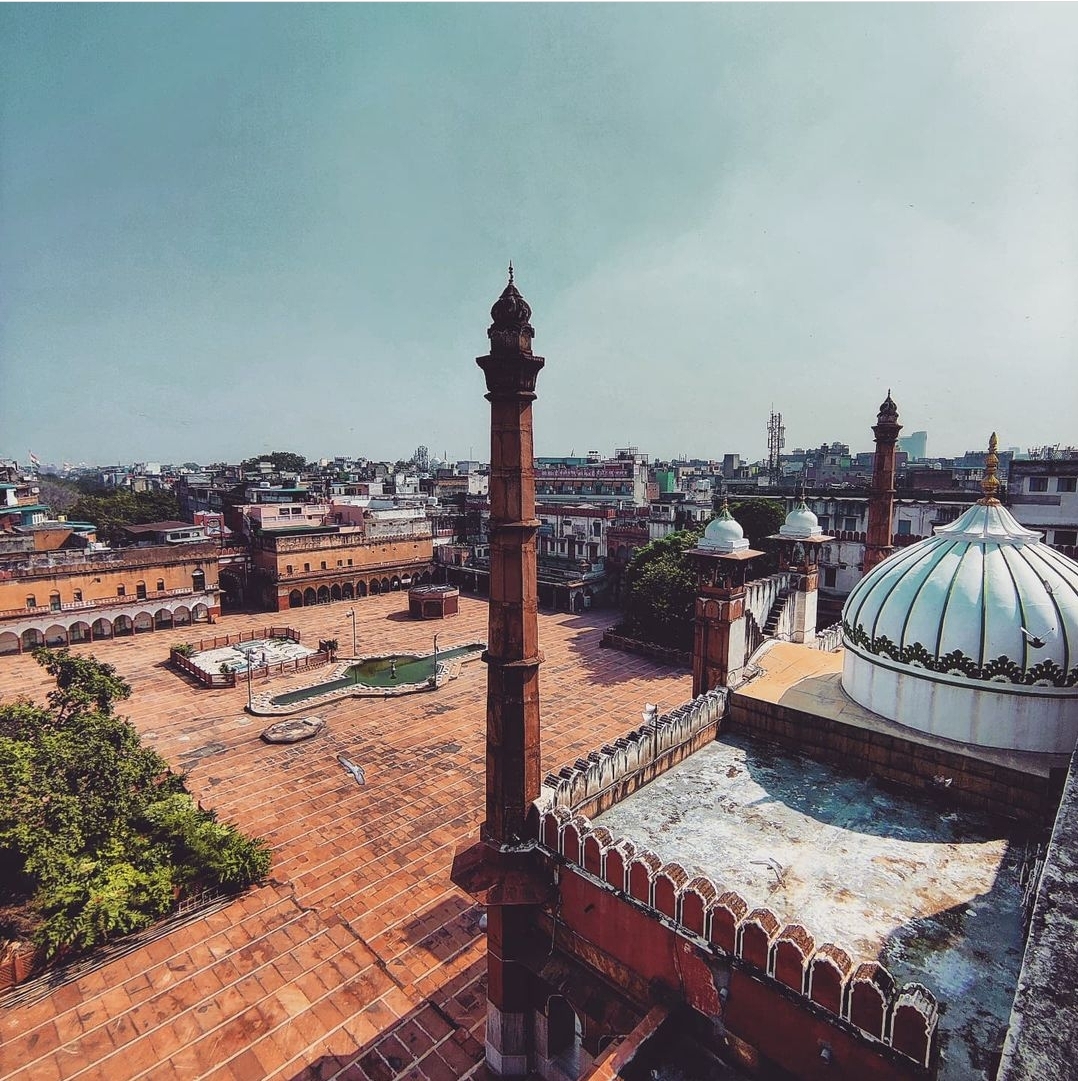
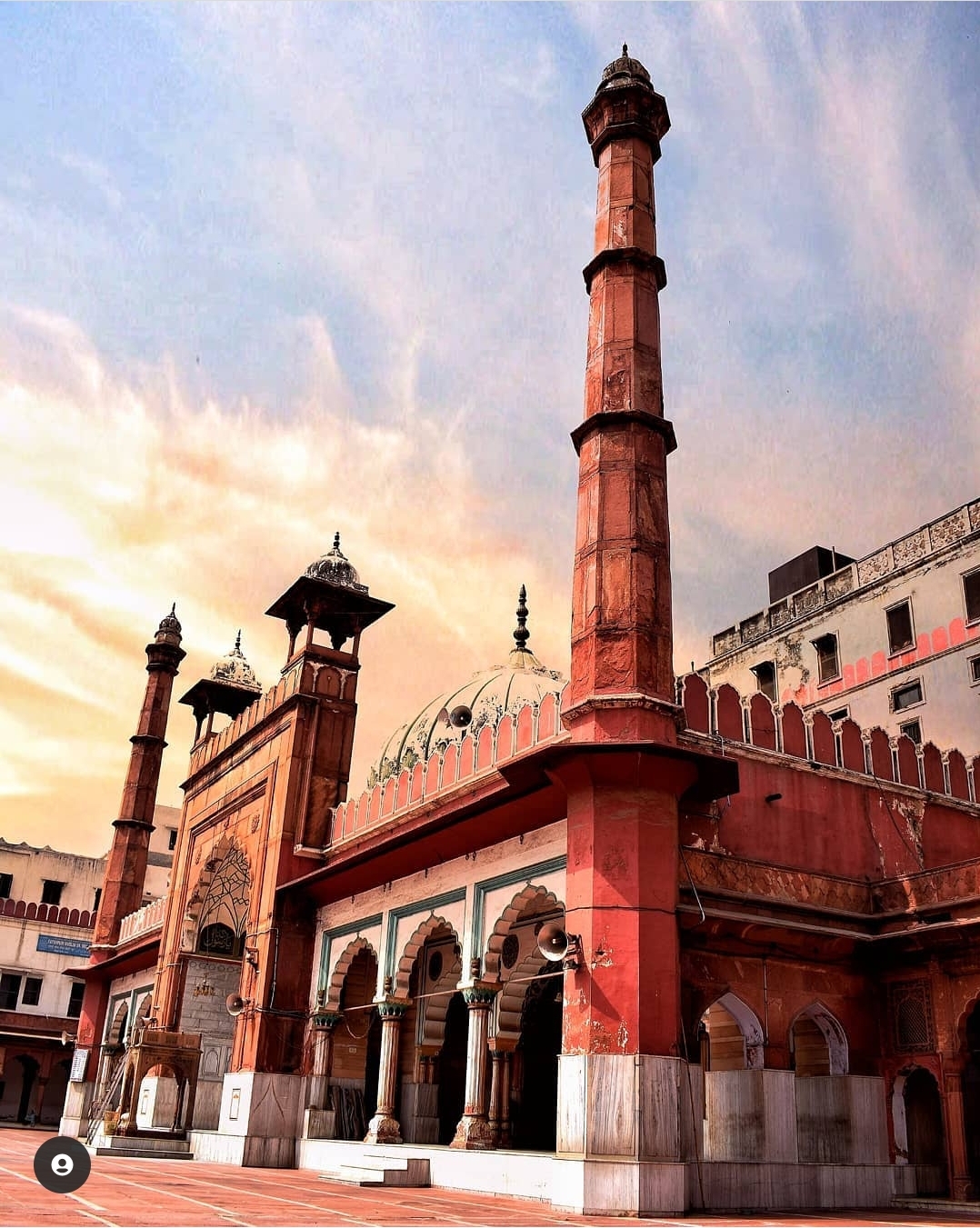
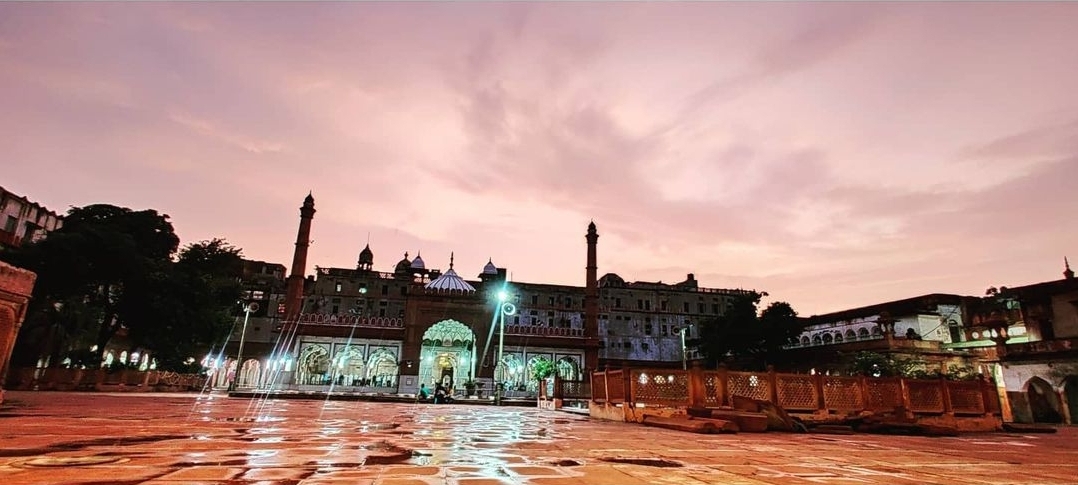
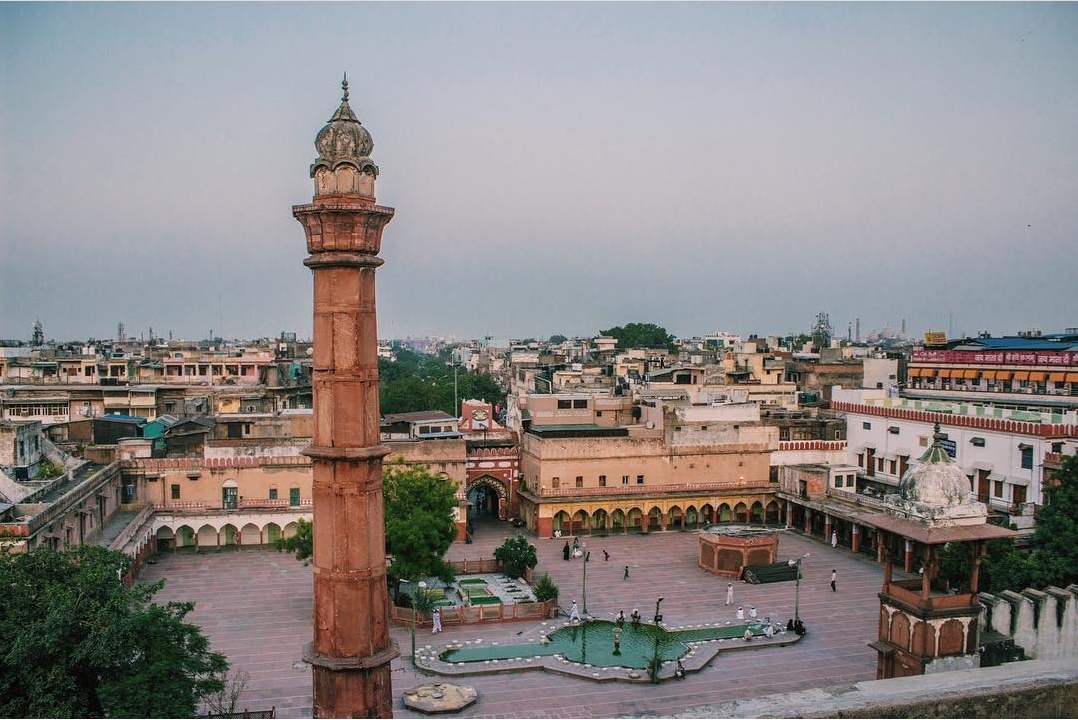
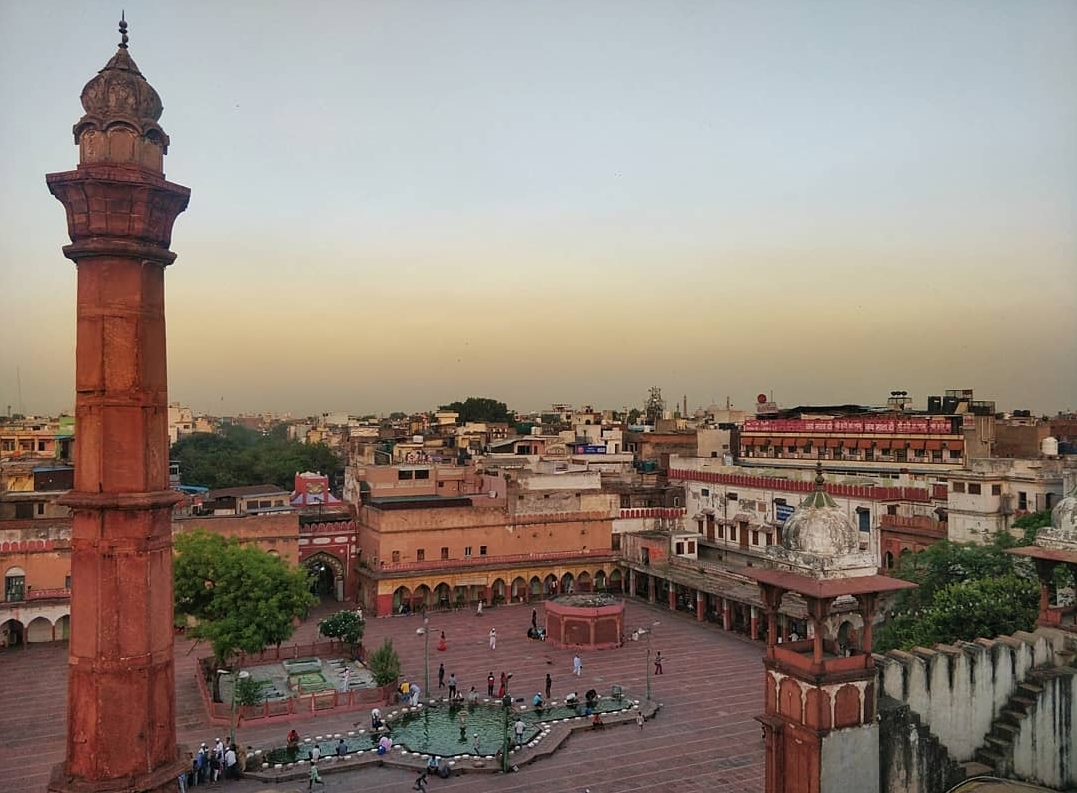
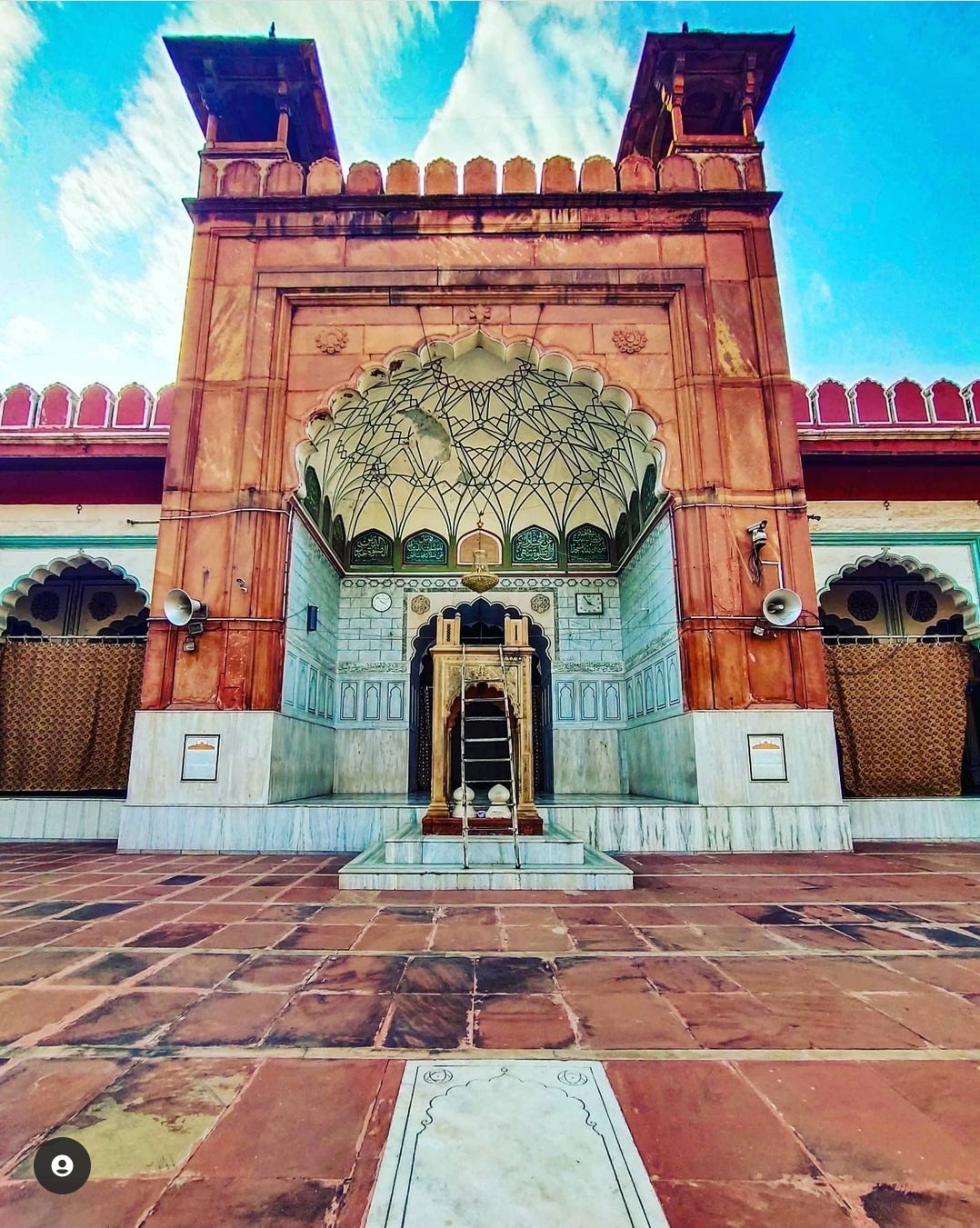
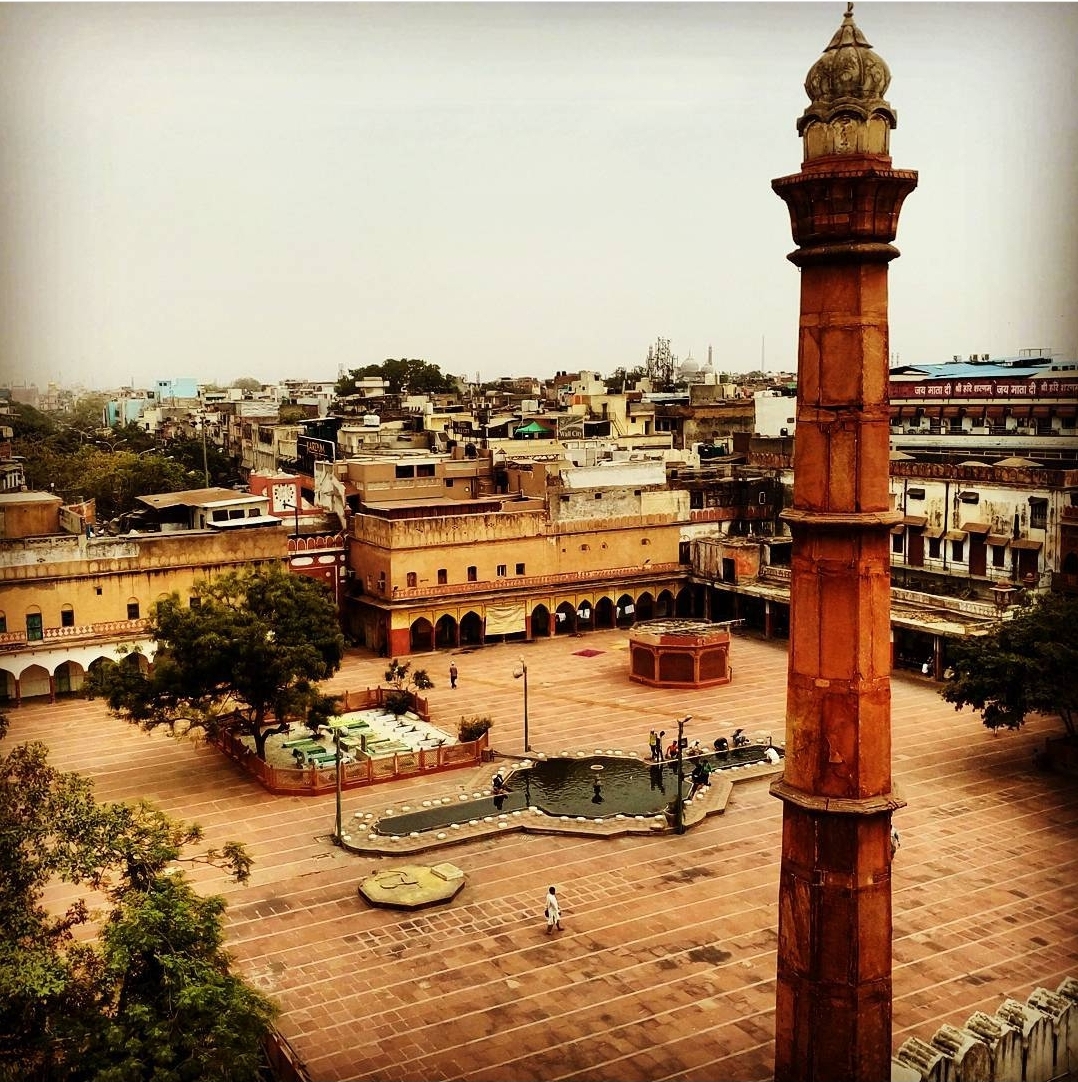
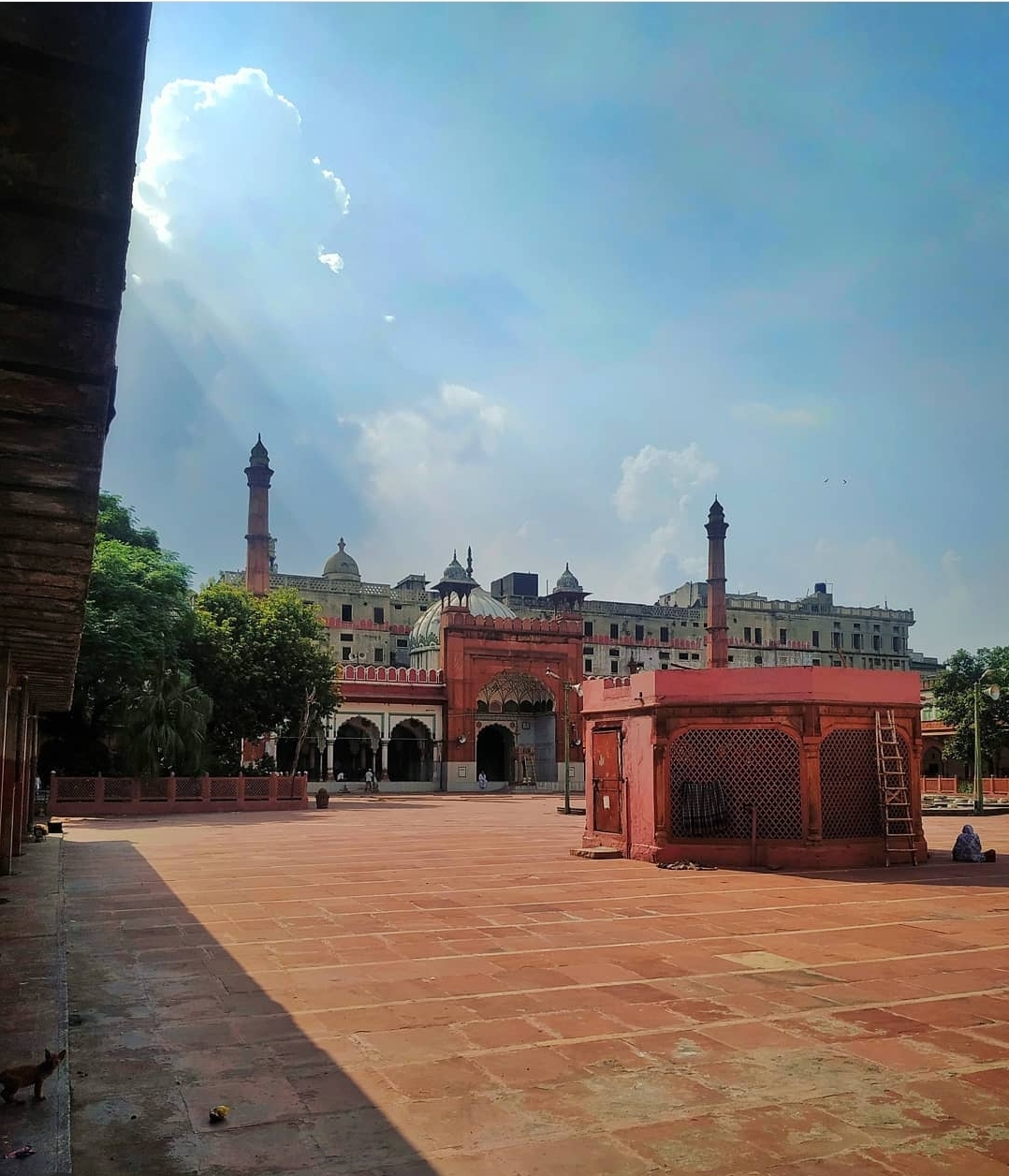
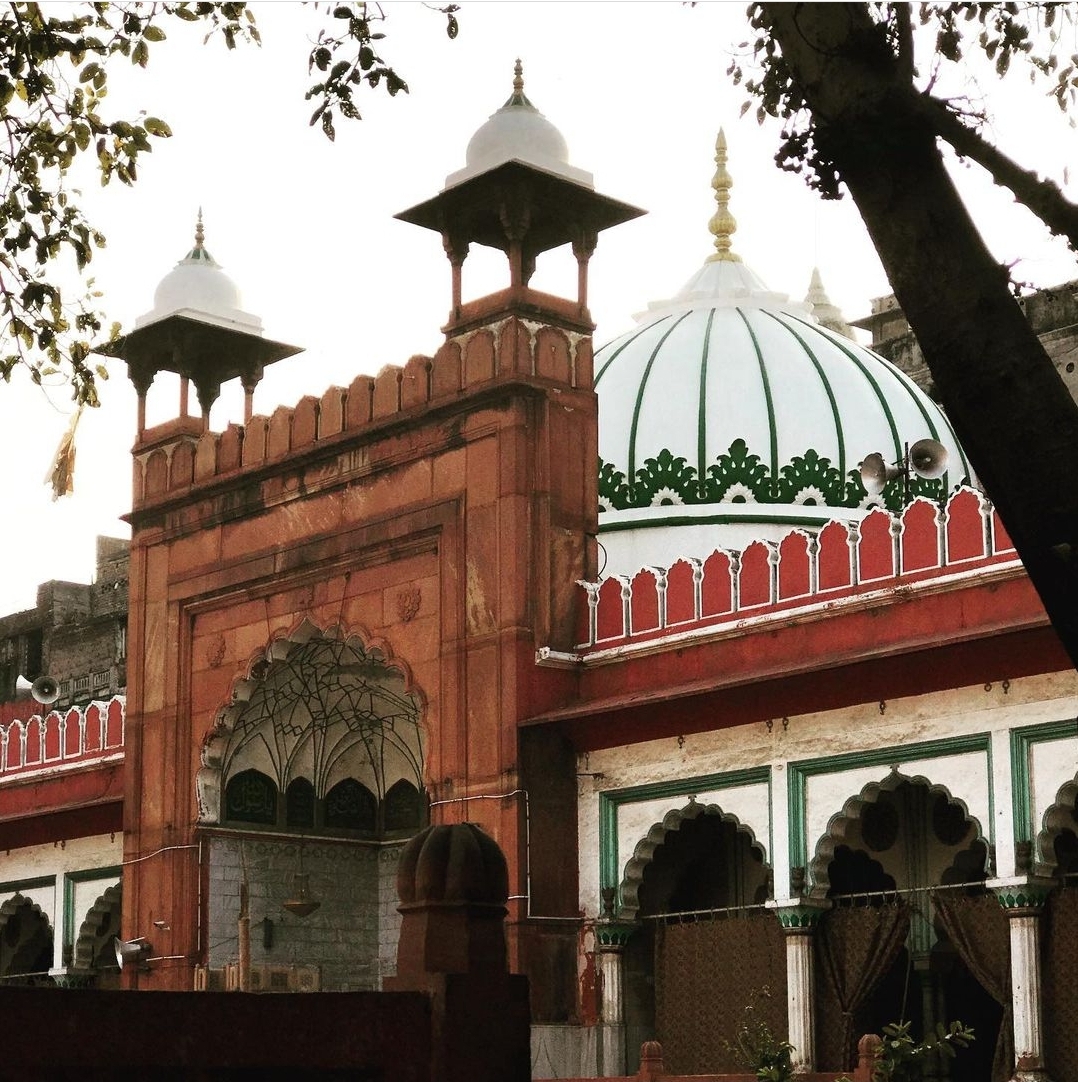
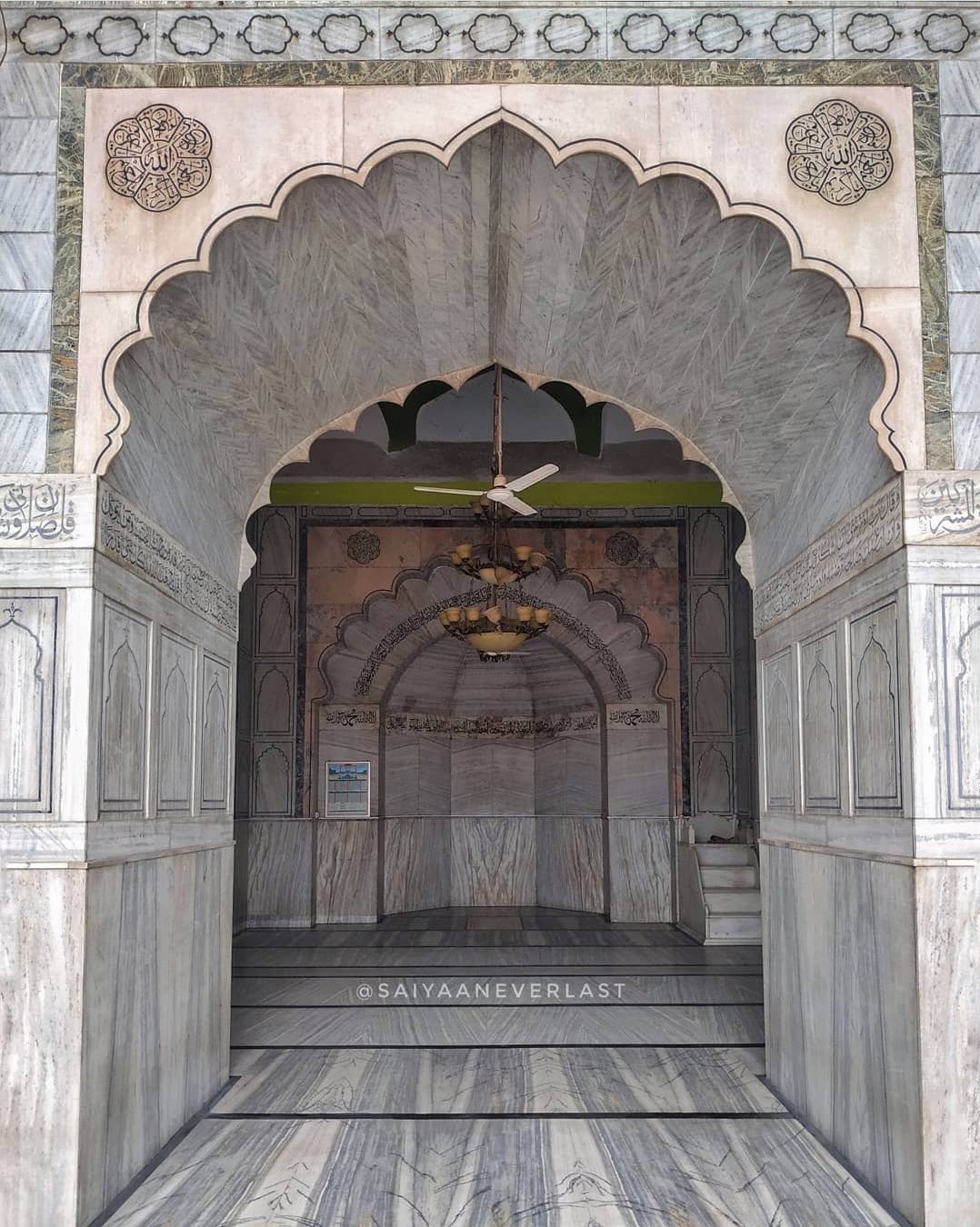
Fatehpuri Masjid was constructed in 1650 AD by Fatehpuri Begum, one of the wives of the Mughal Emperor Shah Jahan. Built on a grand scale using red sandstone and crowned with a single big dome, the mosque exemplifies the elegance and grandeur of Mughal architecture. Over the centuries, it has stood as a silent witness to historical developments spanning the Mughal and British eras to the present day, and today remains one of India’s most prominent mosques. Flanked by imposing two high minarets, it features a traditional architectural design, with the prayer hall distinguished by seven arched openings the central arch being the tallest and most prominent. Fatehpuri Masjid has three main entrances: one facing Red Fort along Chandni Chowk, and two others located on the northern side along Khari Baoli Main Market and southern side along Katra Baryan Main Market.
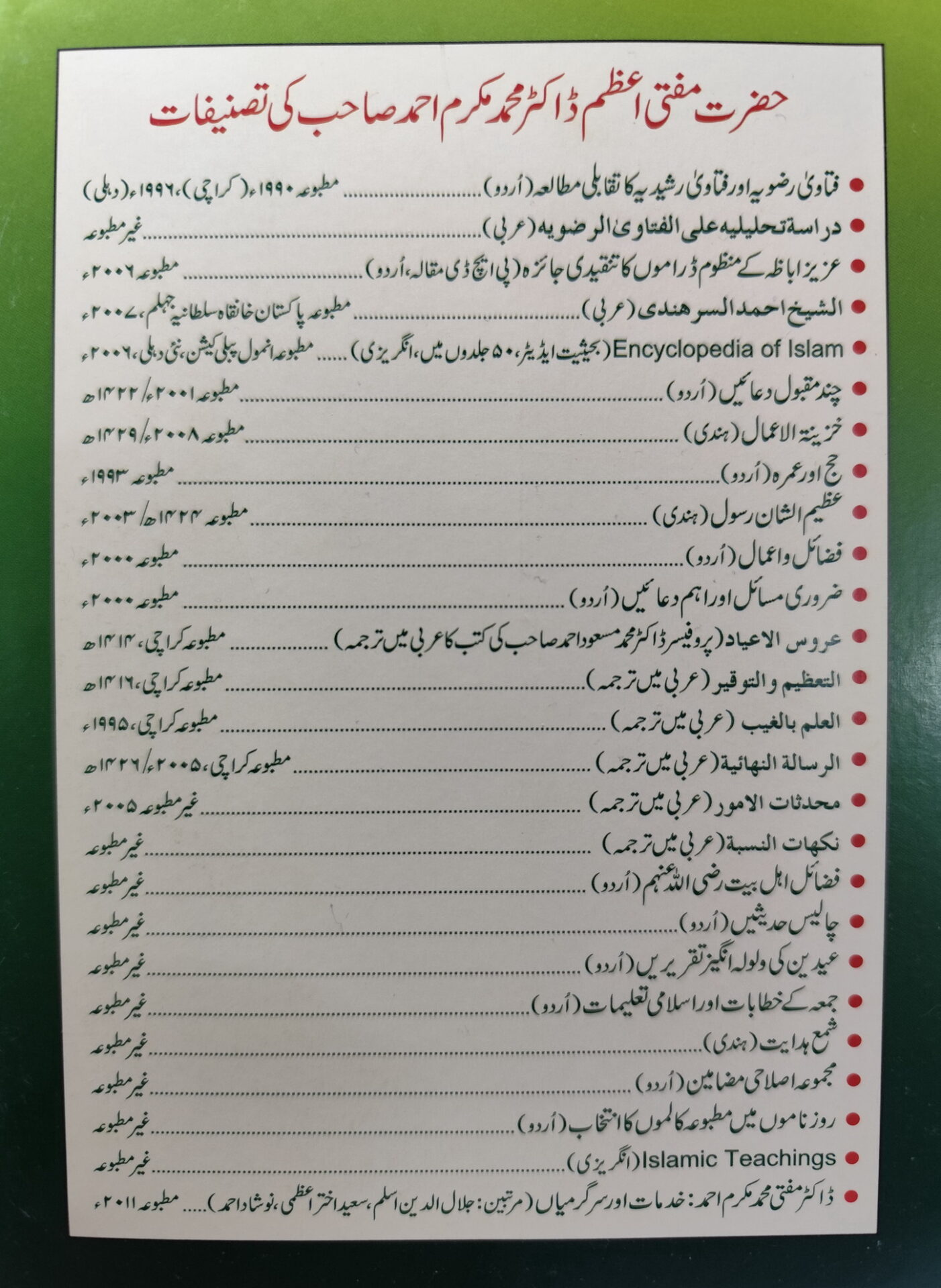
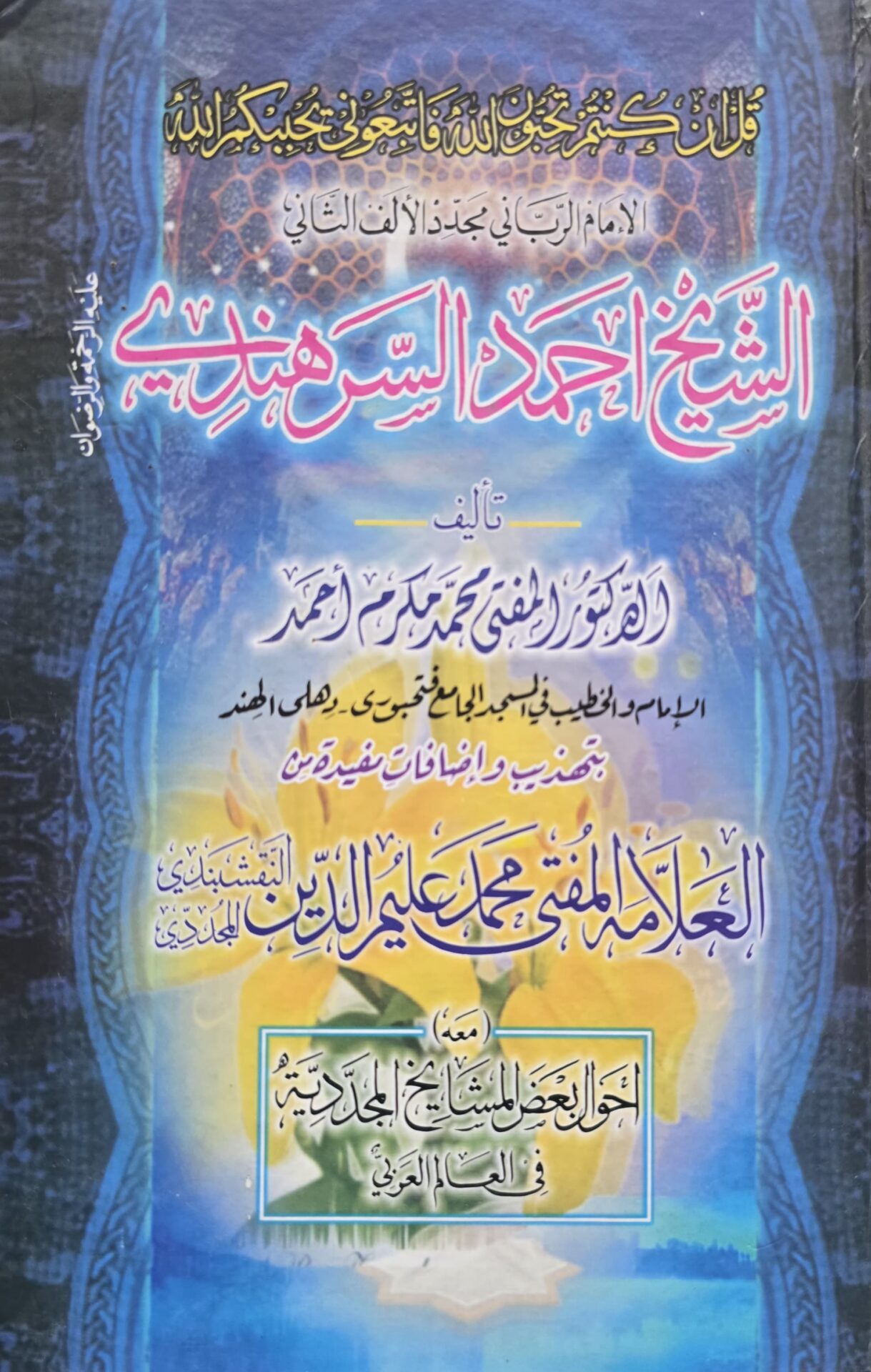
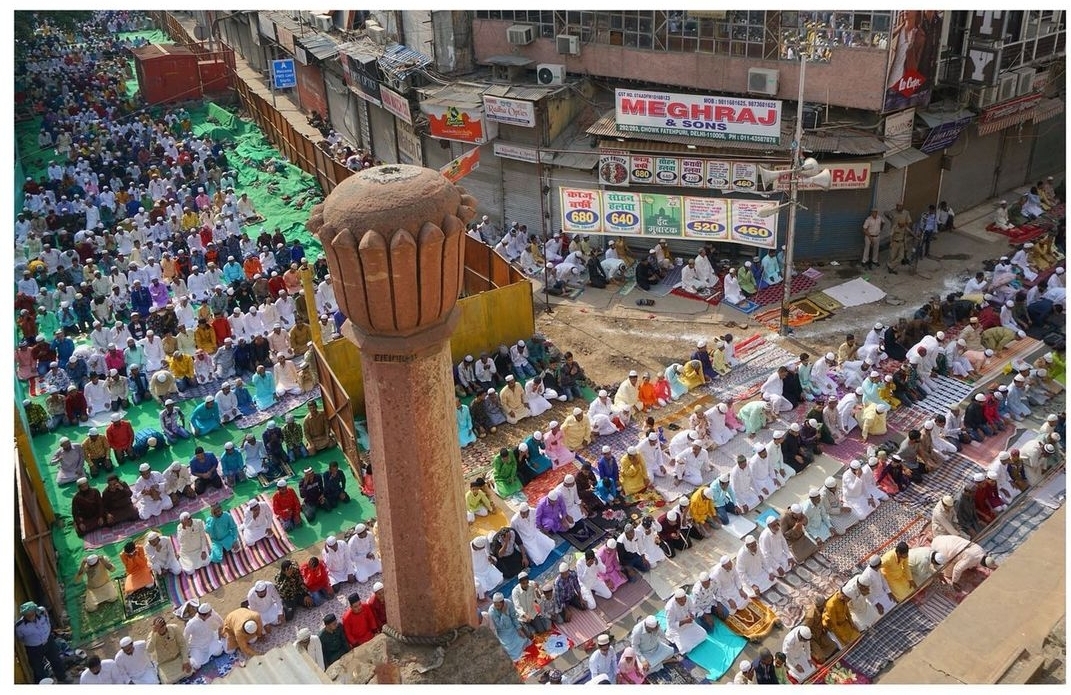
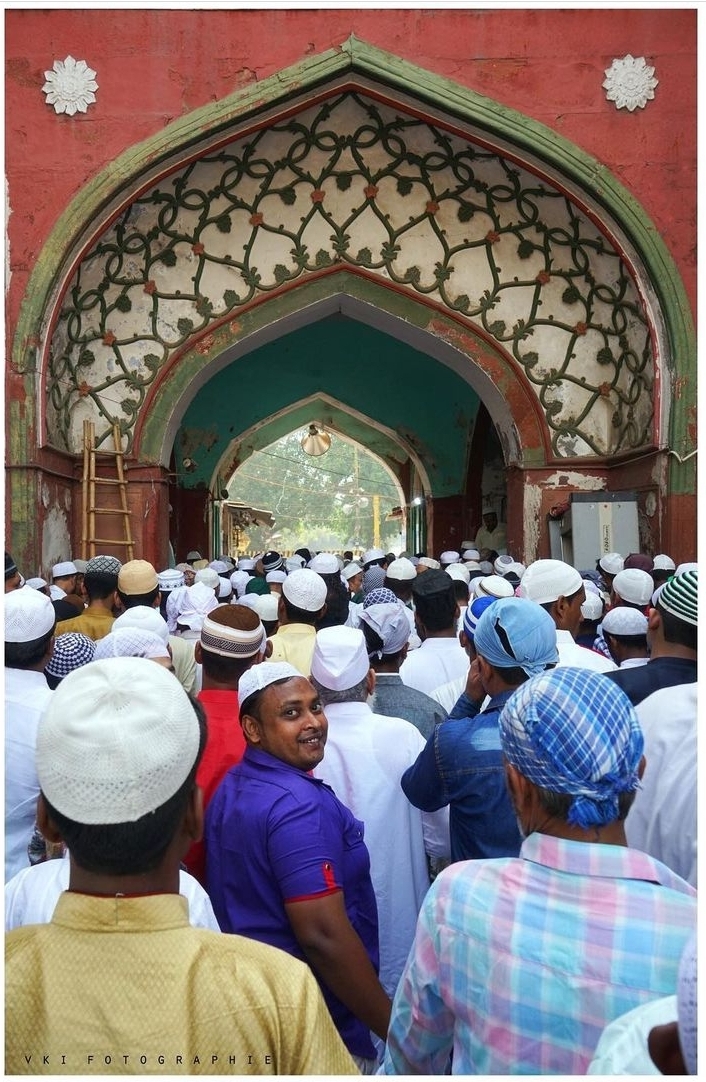
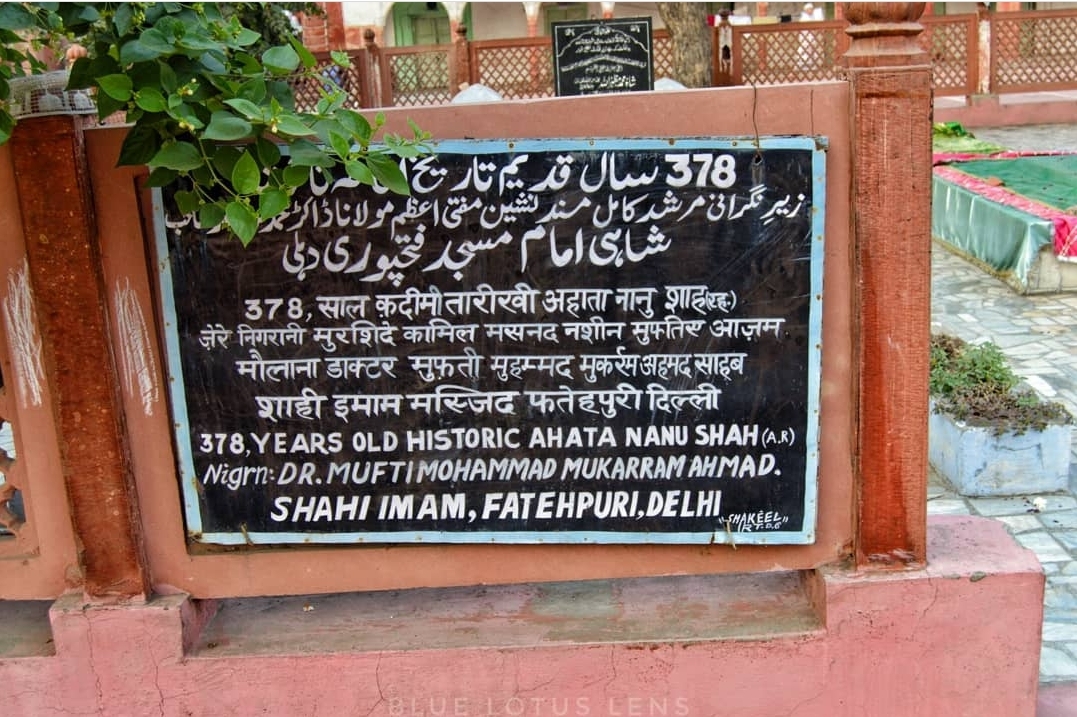
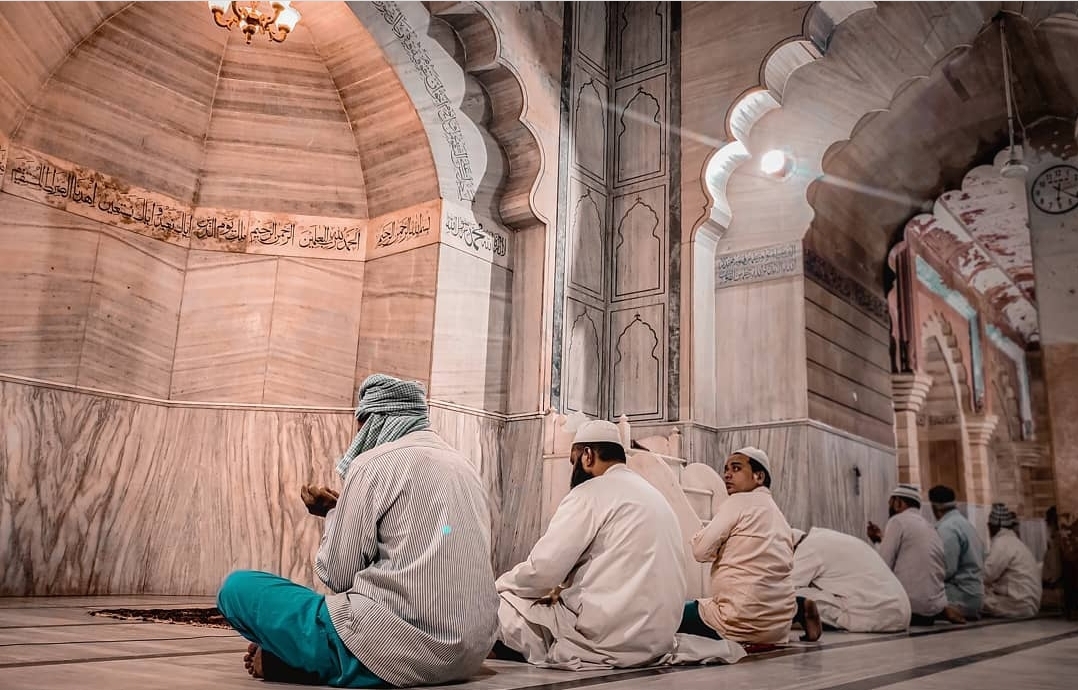
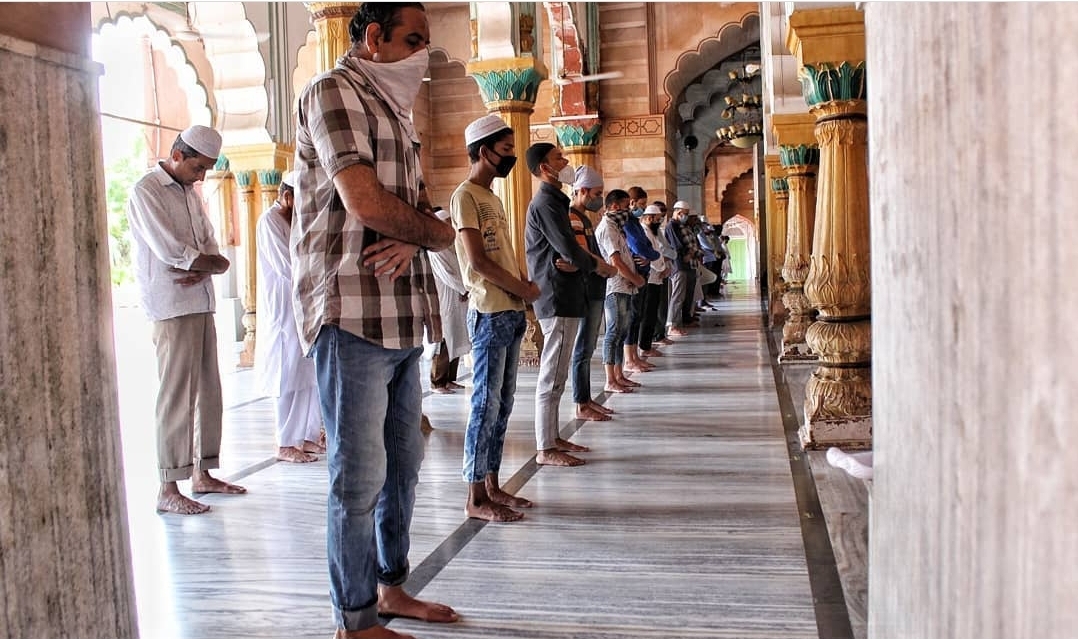
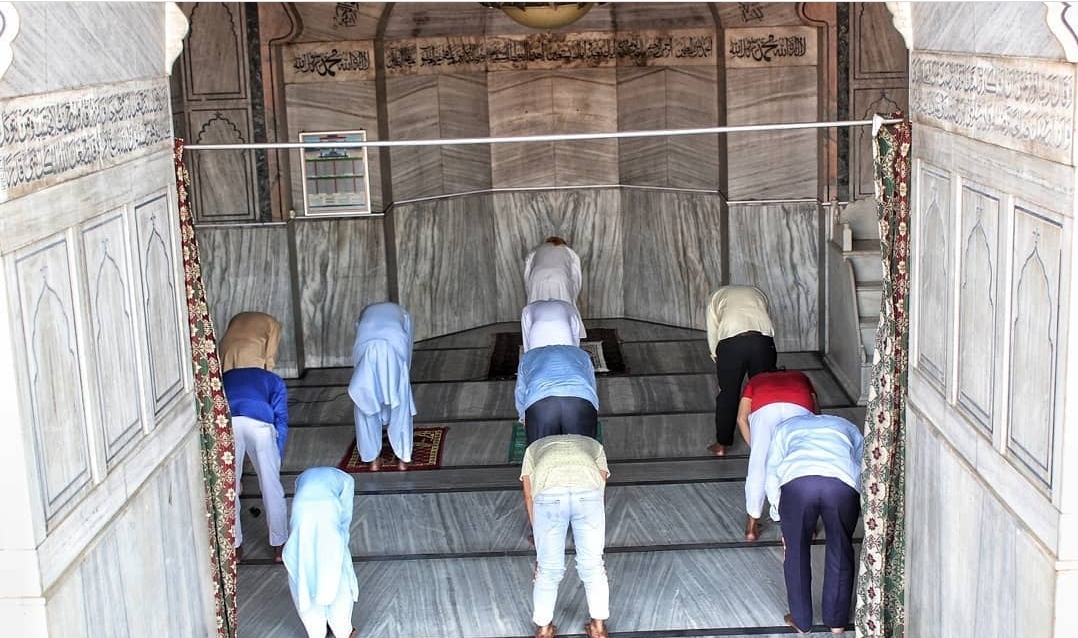
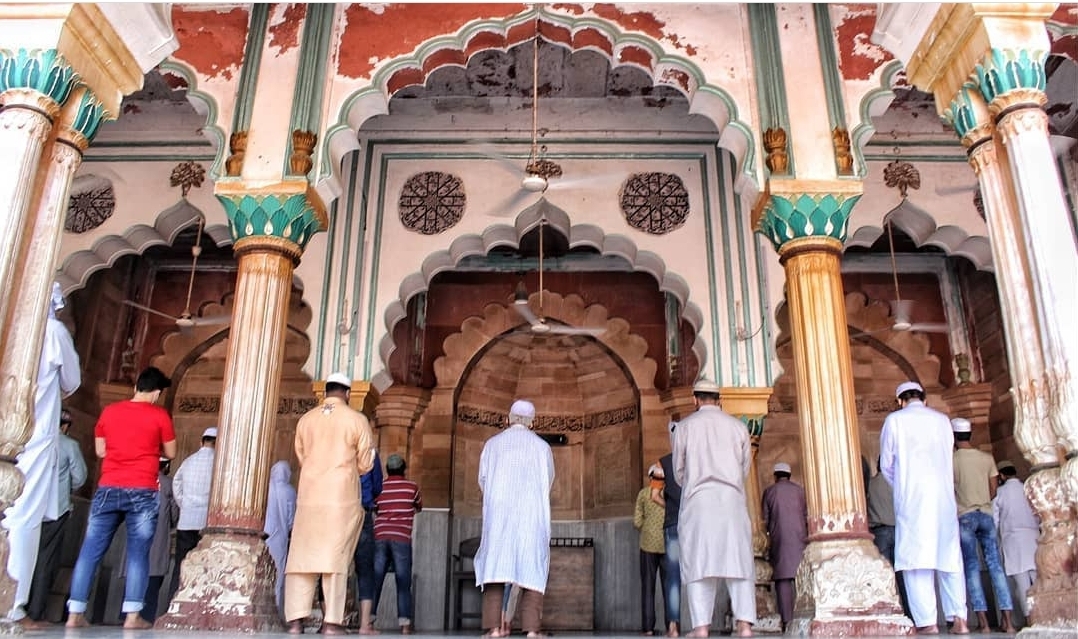
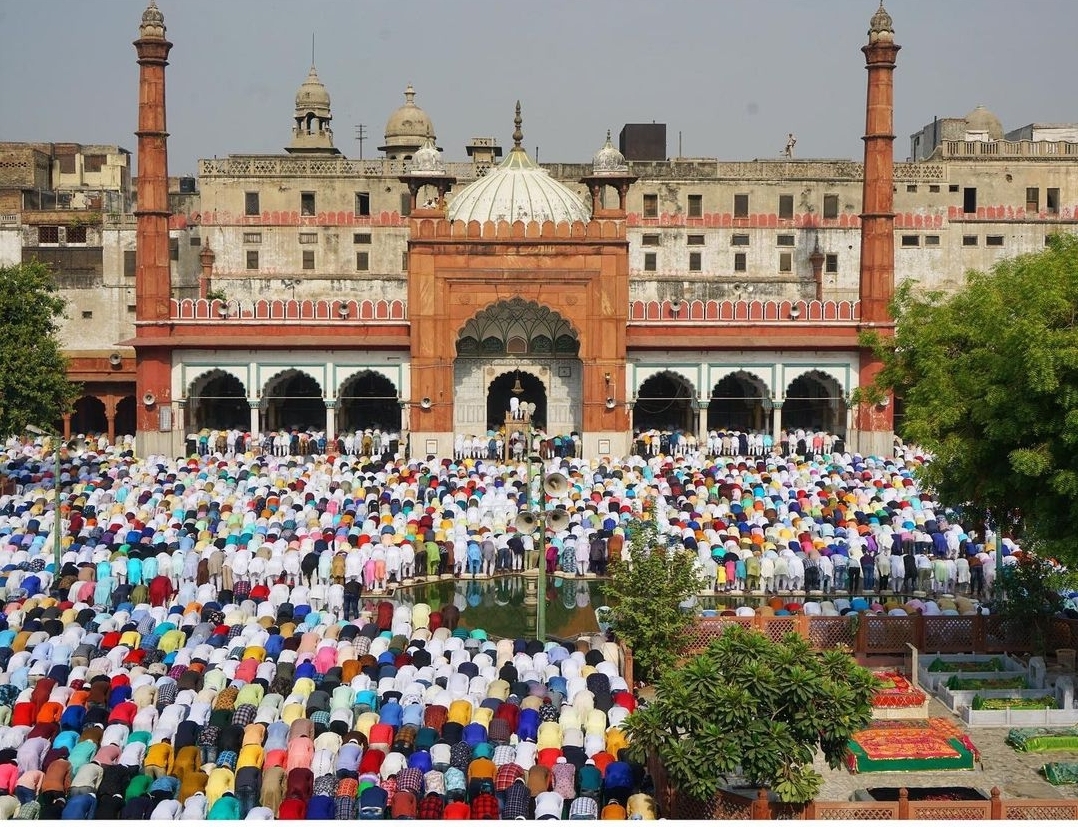
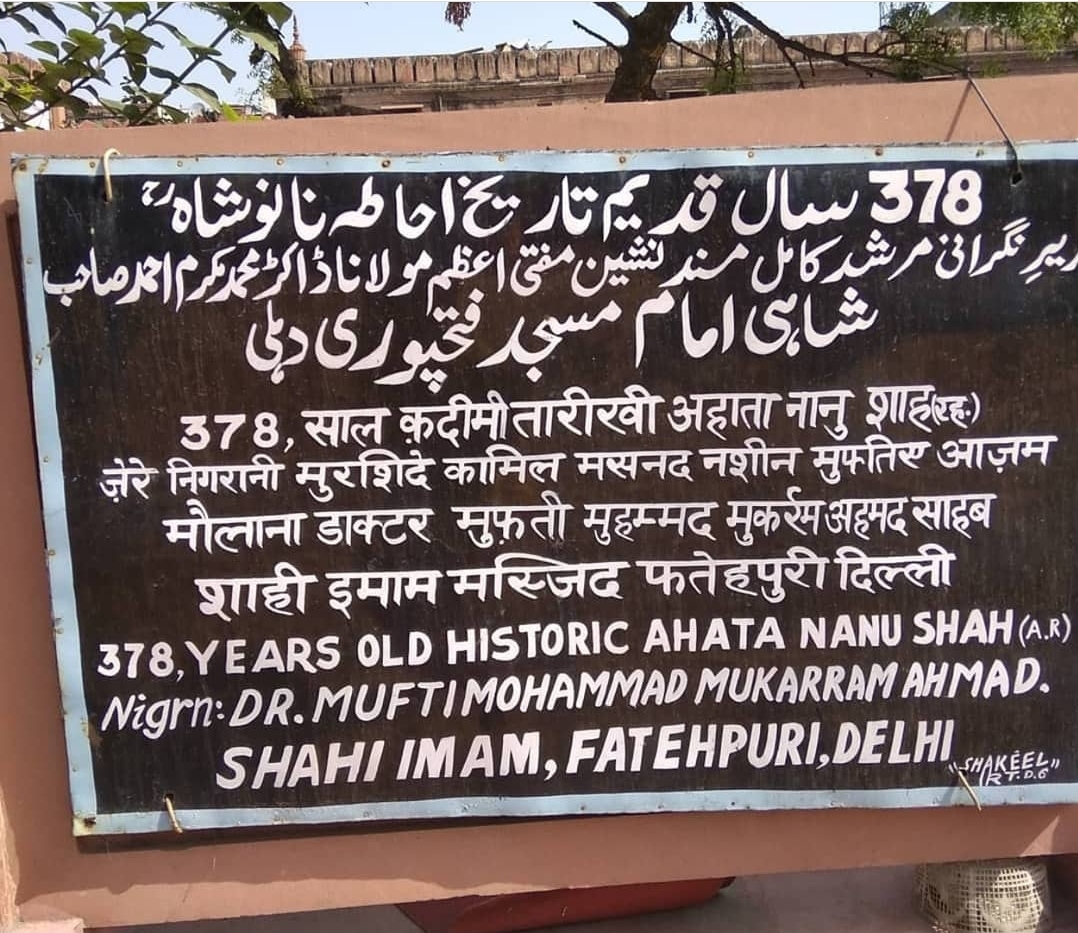
The Fatehpuri mosque serves as a vibrant centre for religious, social, spiritual, educational, and charitable activities. Thousands of Muslims gather here daily to offer the five daily prayers, with especially large congregations on Fridays, Eid-ul-Fitr and Eid-ul-Adha. Major Islamic festivals such as Eid-ul-Fitr and Eid-ul-Adha are celebrated with great enthusiasm. The Shahi Imam Dr. Mufti Mohd. Mukarram Ahmed leads the prayers and delivers sermons on Fridays and Eiden. He is shaik-e-waqt, Murshid of Khanqah-e-Aaliya Naqshbandiya, Delhi.
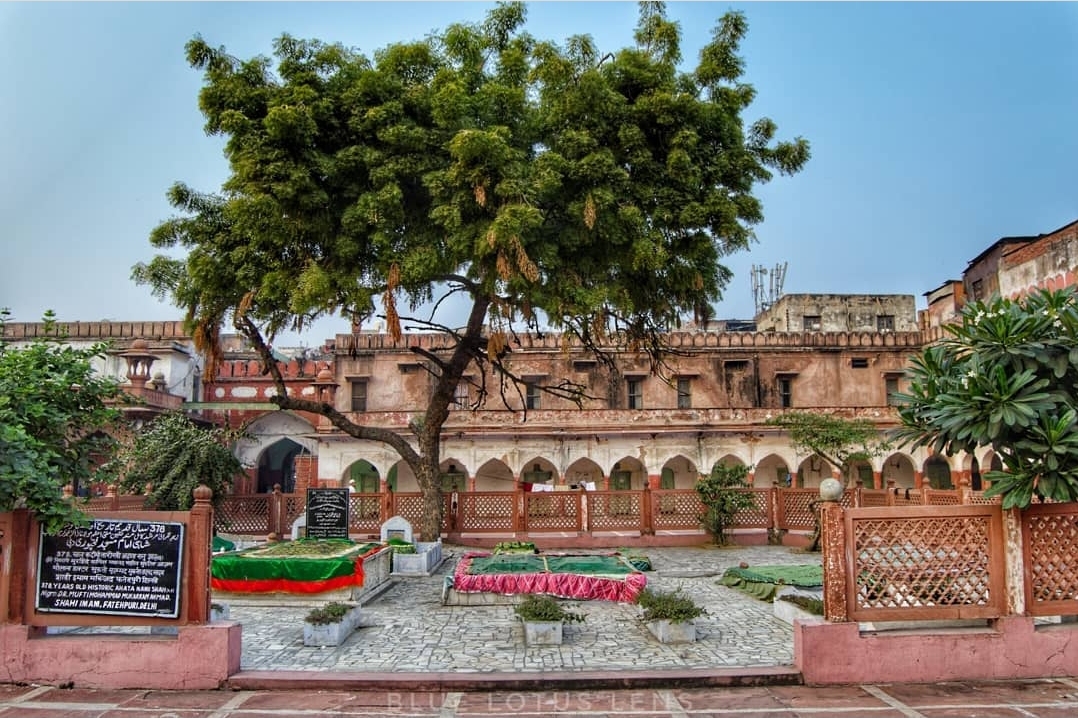
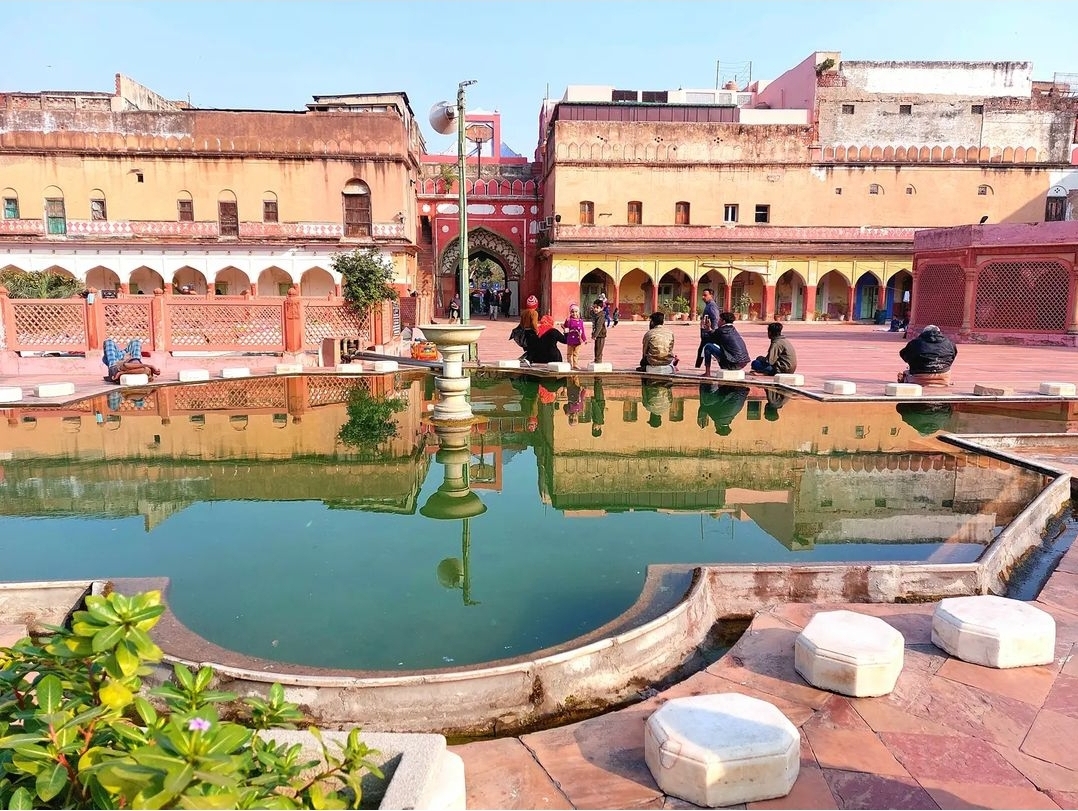
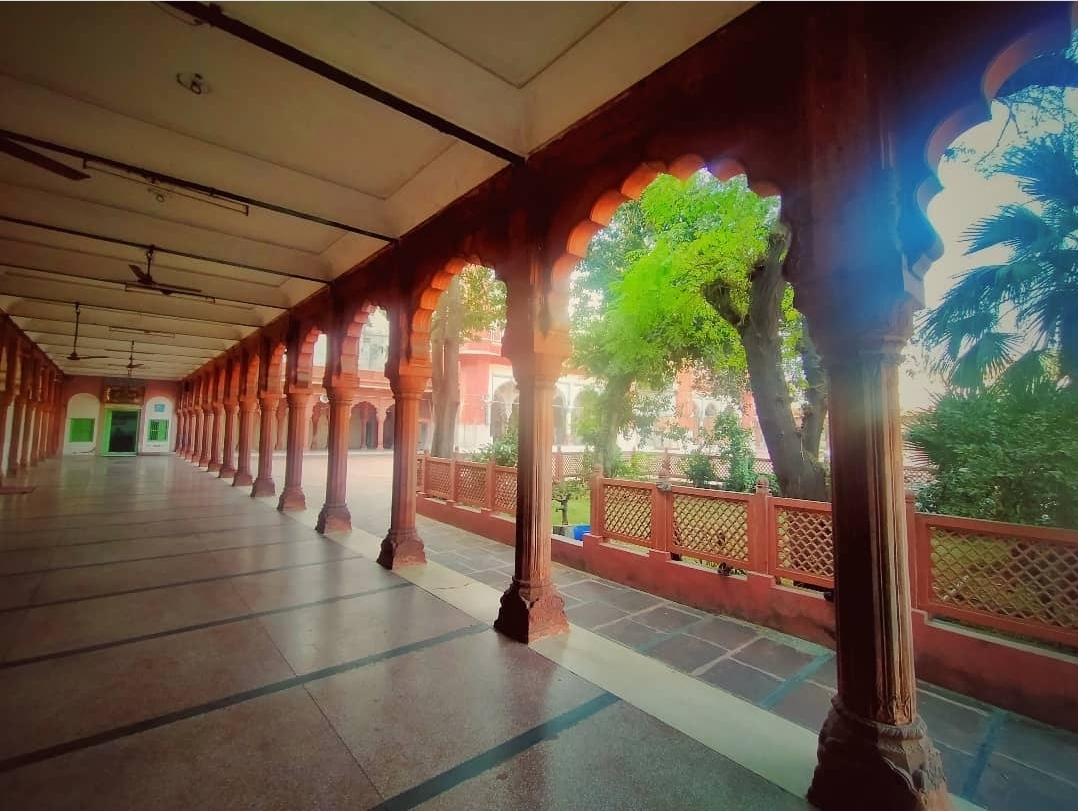
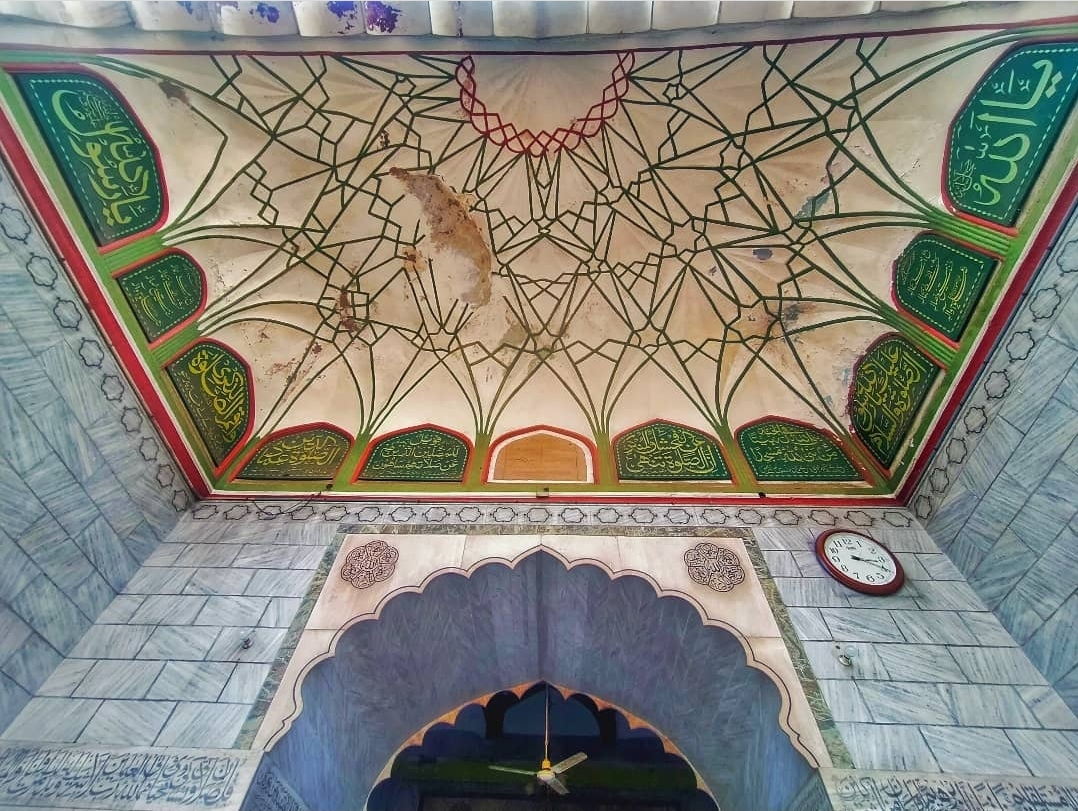
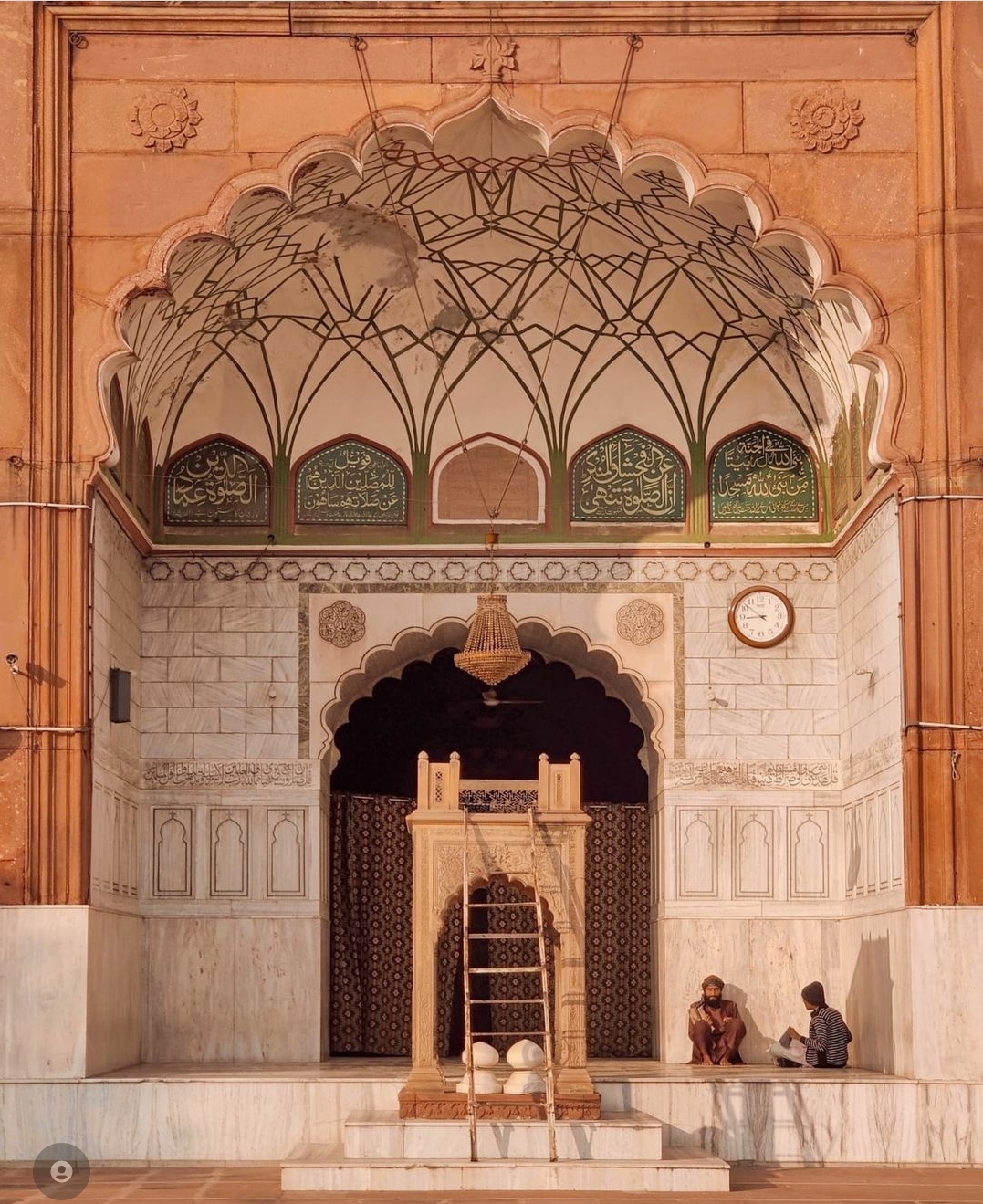
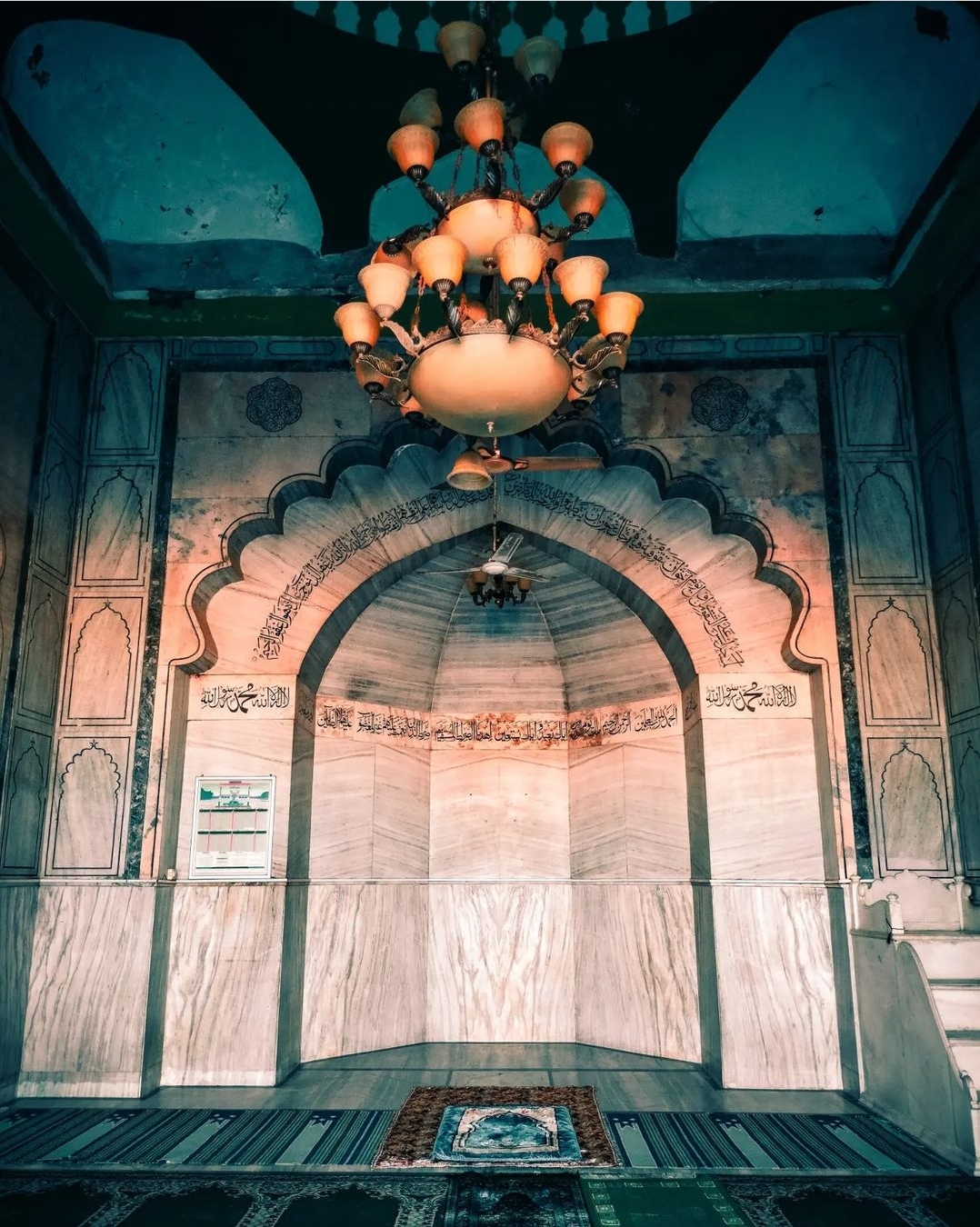
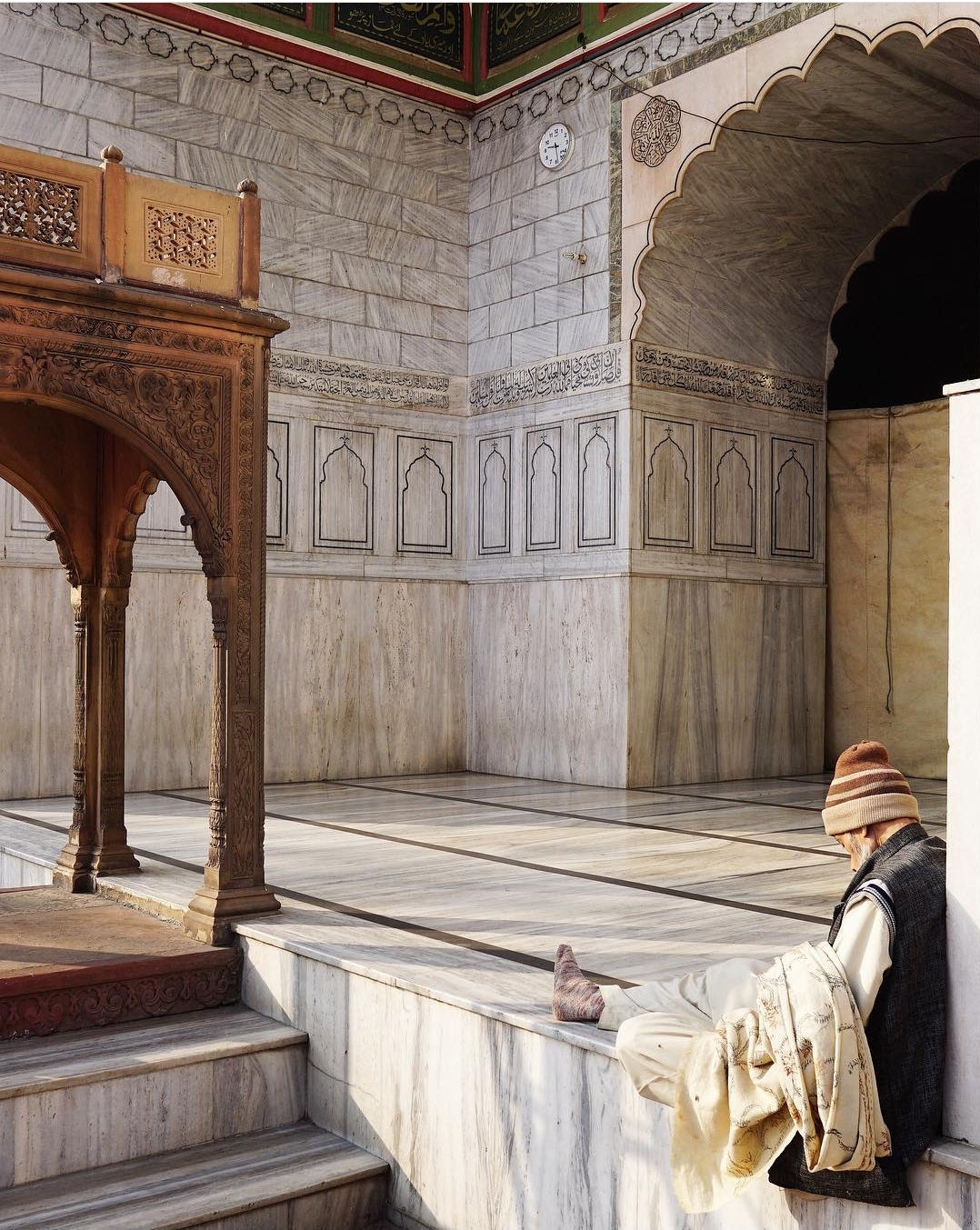
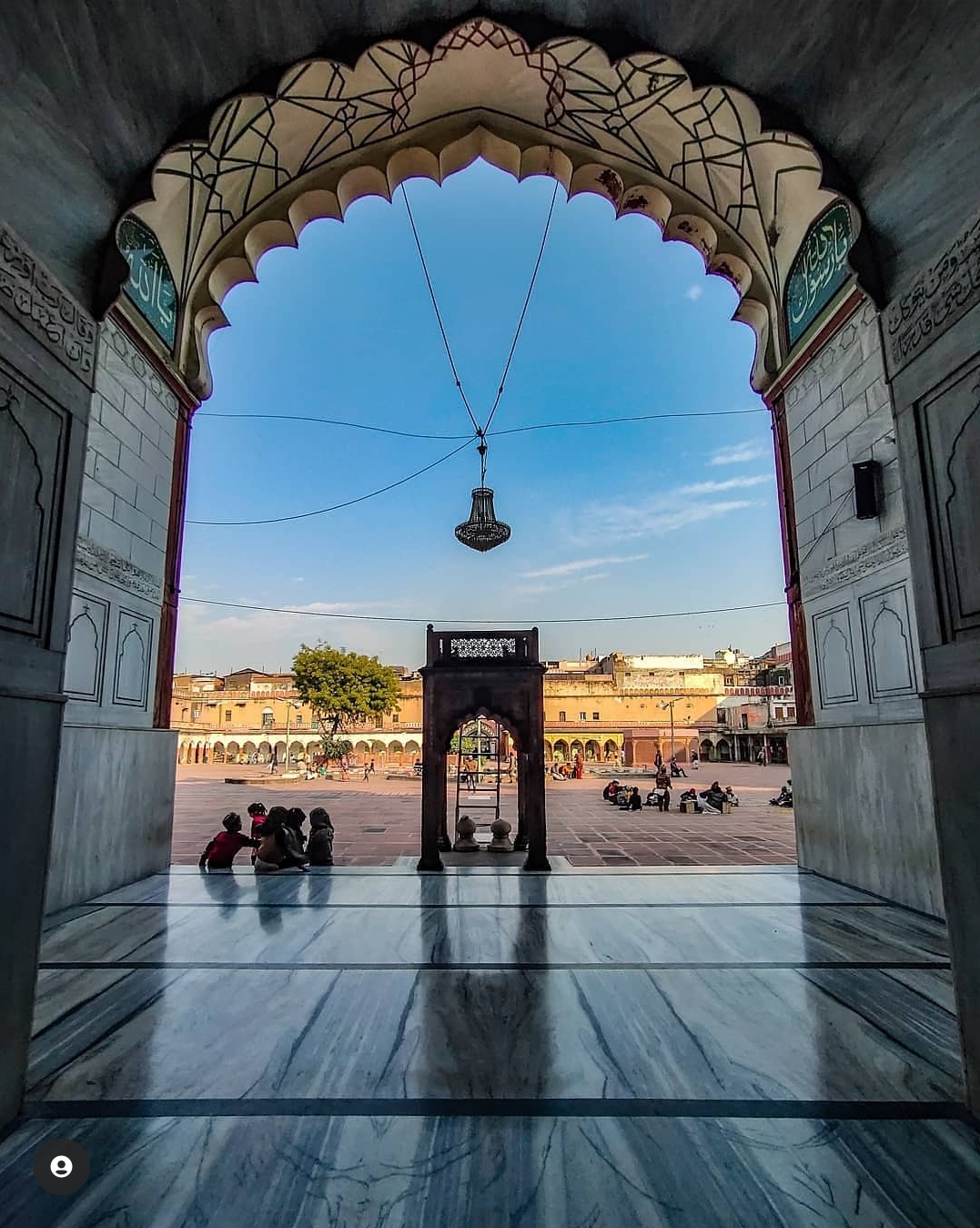
Situated in the heart of Delhi, the mosque is easily accessible. Its intricately decorated sections and harmonious architectural elements make it not only a historic place of worship but also a site of significant historical and visual appeal. It is a very good centre for Communal harmony, peace & love. People come here in a very large numbers from every religion.